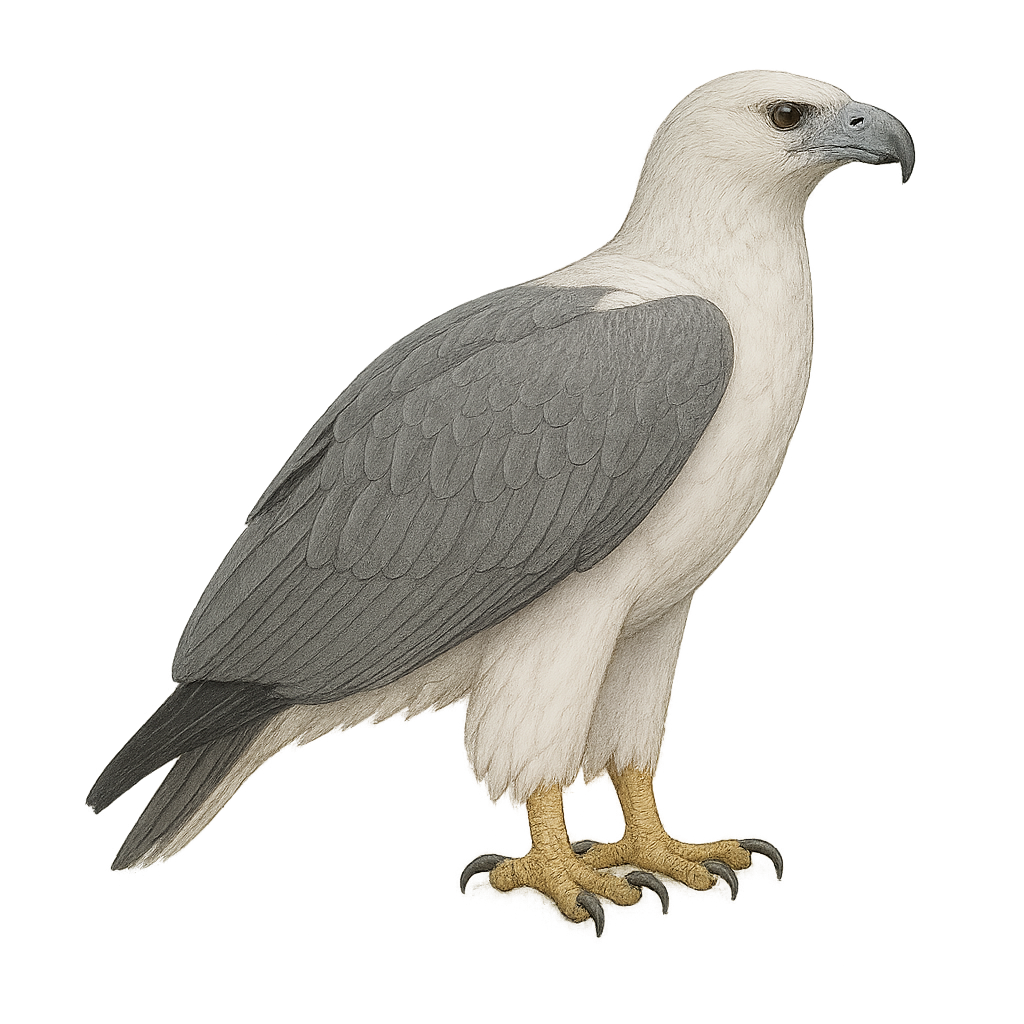
The White-bellied Sea Eagle is a large diurnal raptor, easily identified by its white head, belly, and tail, contrasting with its dark grey wings and back. It measures between 70 and 85 cm in length with an impressive wingspan reaching up to 2.2 meters. This predator primarily feeds on fish but can also capture birds, reptiles, and small mammals. It is often seen near coasts, estuaries, and large lakes, using its powerful talons to snatch prey. The White-bellied Sea Eagle is territorial and forms monogamous pairs for life. Its distinctive call, a loud "ki-ki-ki," often echoes through its natural habitat.
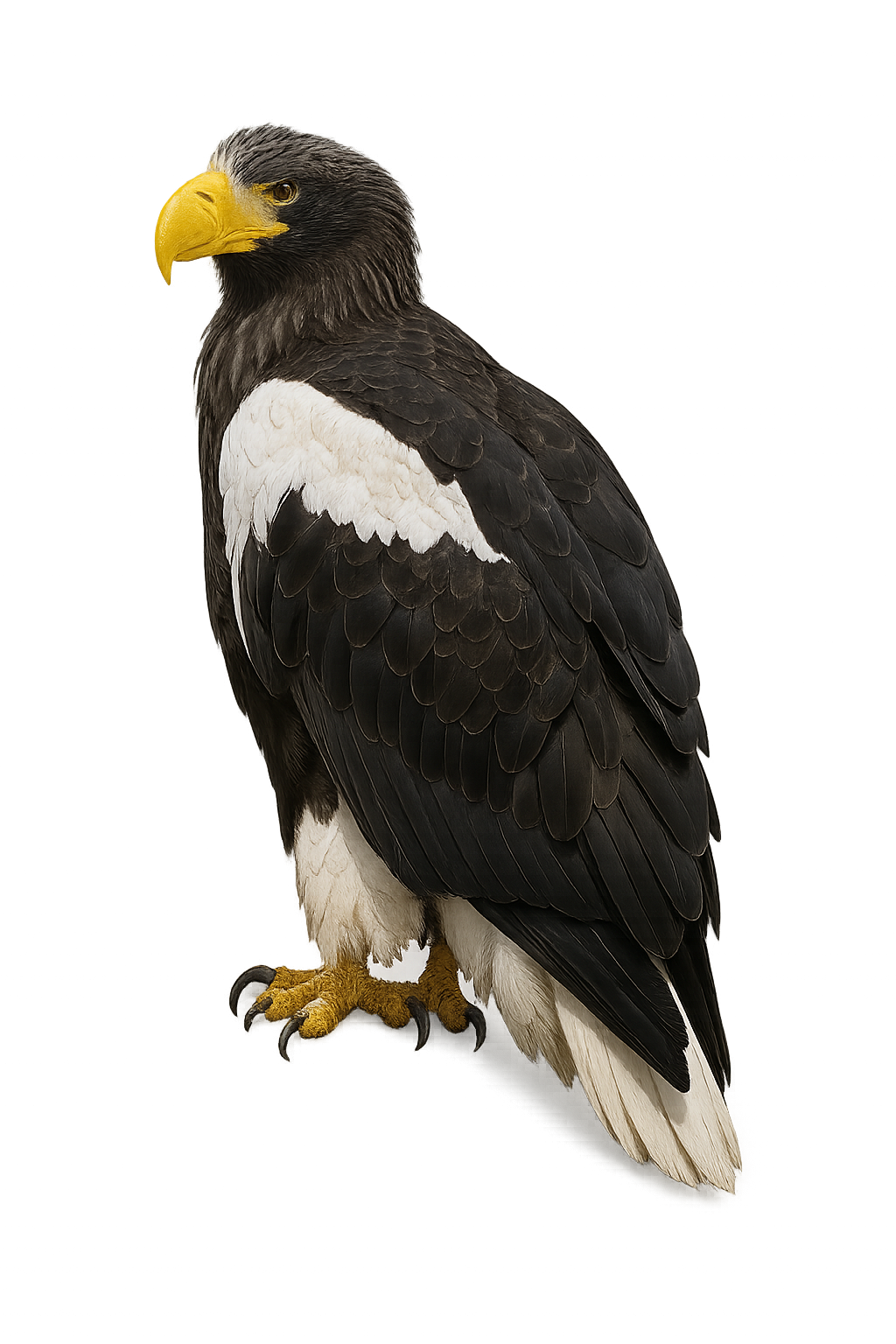
The Steller's Sea Eagle is a large raptor primarily found along the coasts of Northeast Asia, particularly in Russia and Japan. It measures about 85 to 105 cm in length, with a wingspan of 2.2 to 2.5 meters, and weighs between 4 and 9 kg, making it one of the largest eagles in the world. Its plumage is primarily dark brown with a white head and pale yellow beak. The Steller's Sea Eagle is an excellent fisherman, primarily feeding on fish, but it also hunts seabirds and marine mammals. It prefers coastal areas and islands where it can find its food and is often seen flying over the seas or resting on rocks or trees. While its population remains relatively stable, this species is vulnerable to habitat loss due to human activity, climate change, and ocean pollution.
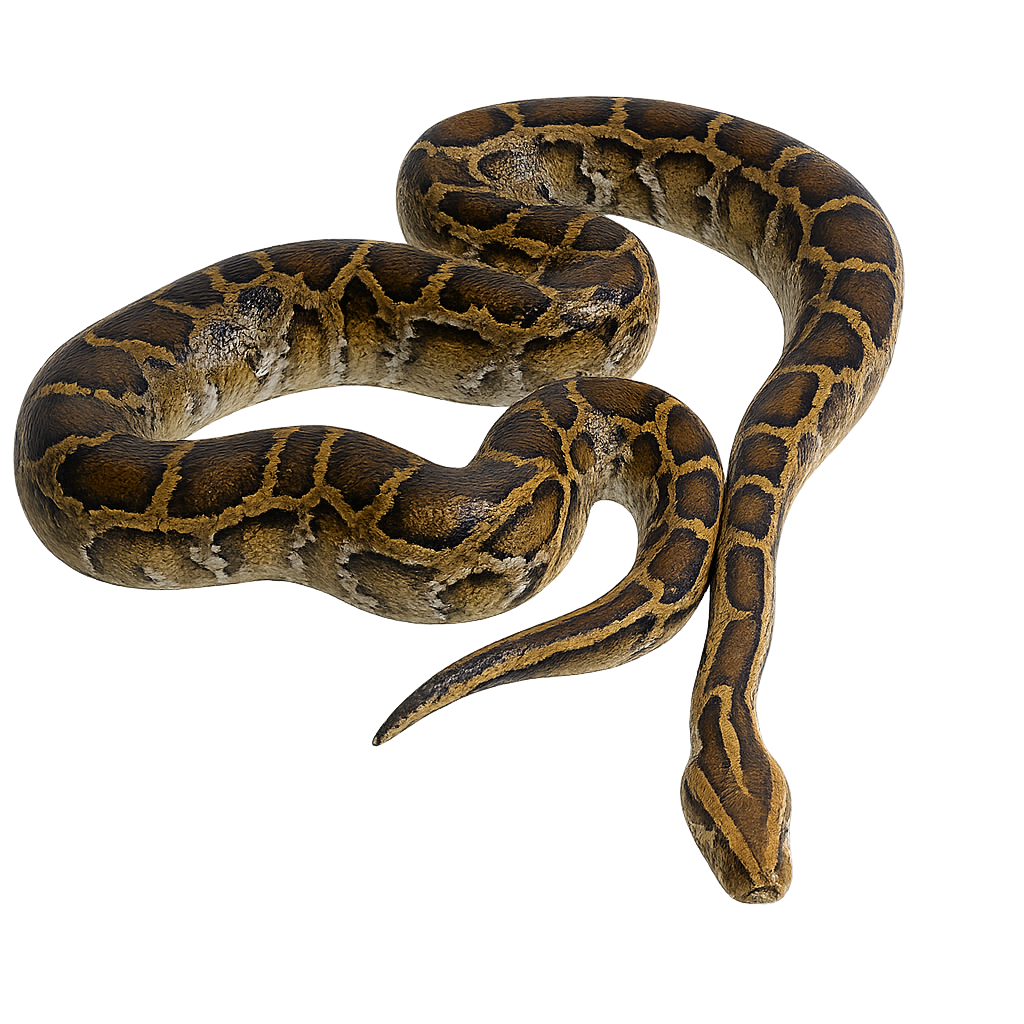
The Burmese python is a large constrictor snake reaching 5–7 m in length, with a heavy body covered in brown scales patterned with darker blotches. Native to Southeast Asia, it inhabits wetlands, swamps, and tropical forests, preying on mammals and birds. Solitary and primarily nocturnal, it can submerge itself to hunt aquatic prey. During the breeding season, the male actively seeks the female and coils around her prior to egg-laying.
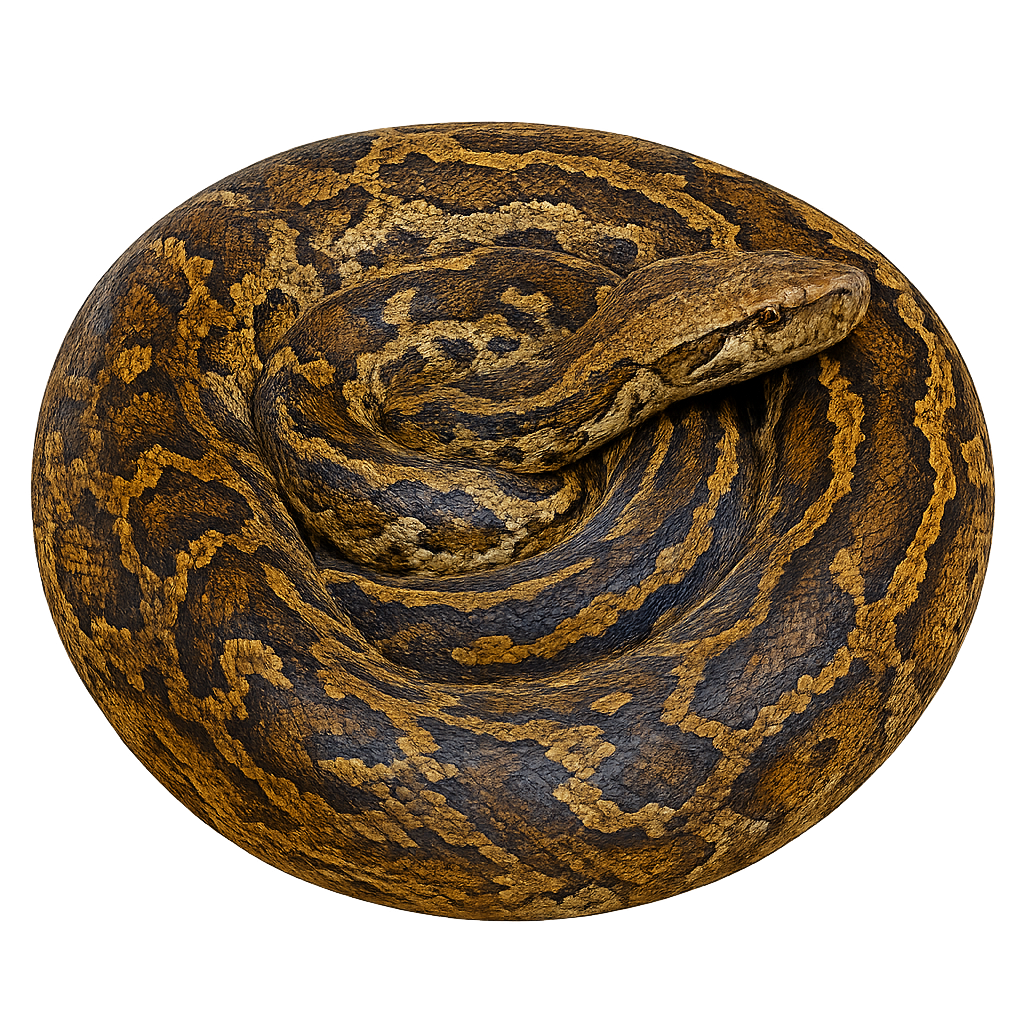
The African rock python is one of the largest snakes in Africa, reaching lengths of up to 7 meters. It has a robust body covered in intricate patterns of brown, yellow, and black scales, providing excellent camouflage in its natural habitat. This primarily nocturnal snake preys on a variety of animals, from rodents to antelopes. Although non-venomous, it kills its prey through constriction. Often found near water, it is an adept swimmer. Its presence is crucial for ecological balance, yet it faces threats from hunting and habitat loss.
The Indian Python is a large snake primarily found in the Indian subcontinent, including Sri Lanka, Nepal, Bangladesh, and Pakistan. It typically measures between 3 and 4 meters in length, although some specimens can reach up to 6 meters, and weighs between 30 and 90 kg. Its coloration is generally beige or light brown with dark spot-like patterns along its back. The Indian Python is a constrictor, meaning it kills its prey by suffocating it before swallowing it whole. It primarily feeds on mammals, birds, and reptiles, which it captures using its strength and ability to camouflage in its environment. While its population remains relatively stable, this snake can be threatened by habitat loss and hunting for its skin.
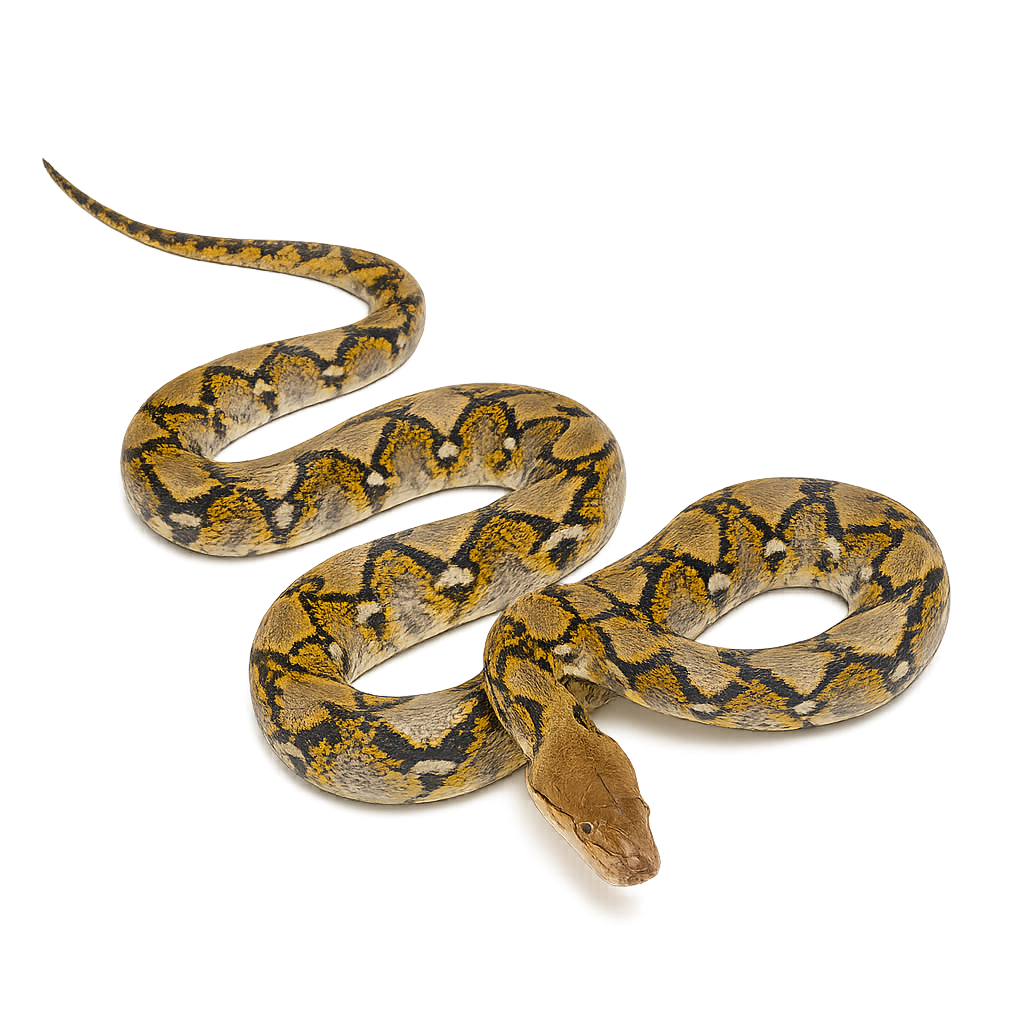
The Reticulated Python is one of the most impressive and longest snakes in the world, growing over 7 meters in length. It is easily recognized by its complex mesh pattern on its skin, which gives it its name. Native to the tropical forests of Southeast Asia, this python is primarily terrestrial, although it is also capable of climbing trees. It typically hunts mammals and birds, using its constriction power to capture and suffocate its prey. Although generally discreet, it can be dangerous when threatened.
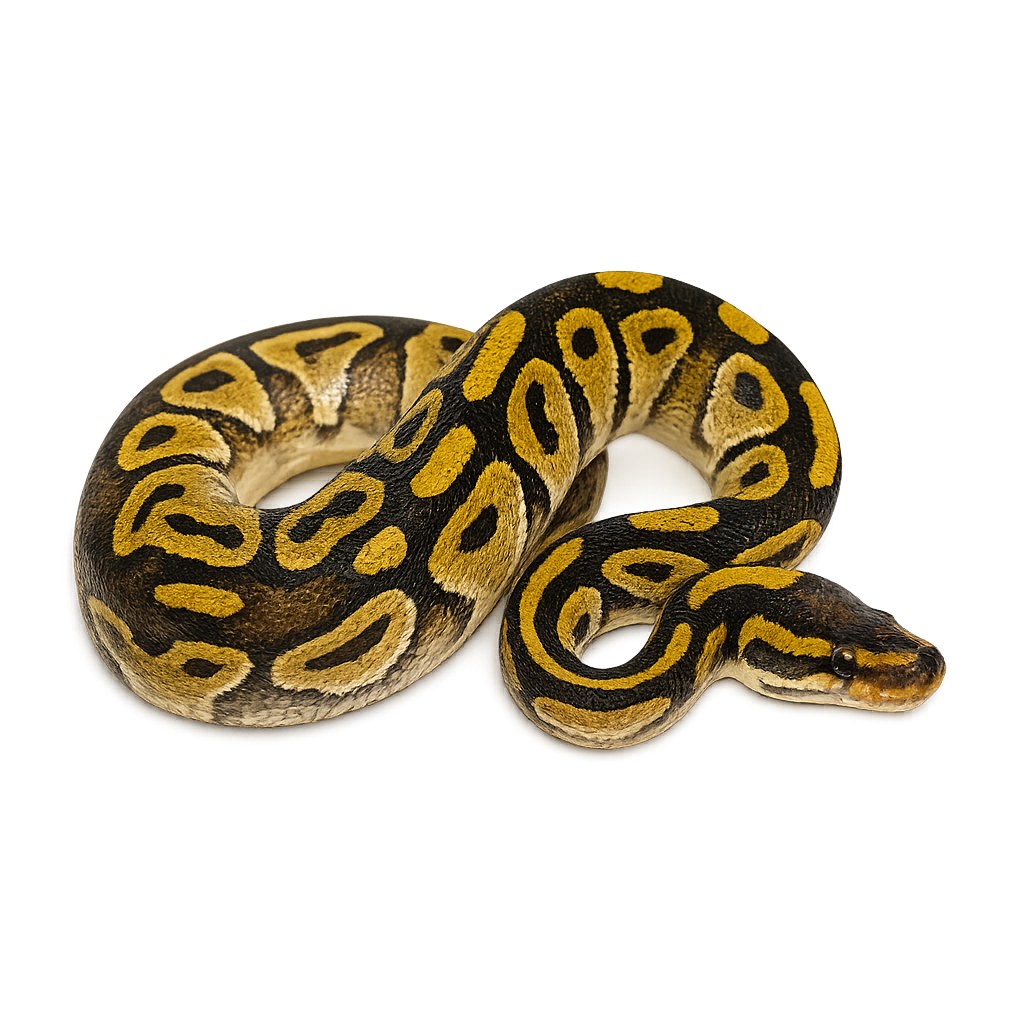
The Ball python, or Python regius, is a constrictor snake native to West and Central Africa. It is favored for its modest size, typically measuring between 90 and 120 cm as an adult, although some specimens can reach 150 cm. Its skin features patterns of dark brown and black spots on a light brown or golden background, providing effective camouflage in its natural habitat. This snake is primarily nocturnal and prefers humid environments such as savannas, forests, and grasslands. In captivity, it is prized for its docile temperament and ease of care, making it a popular choice among reptile enthusiasts.
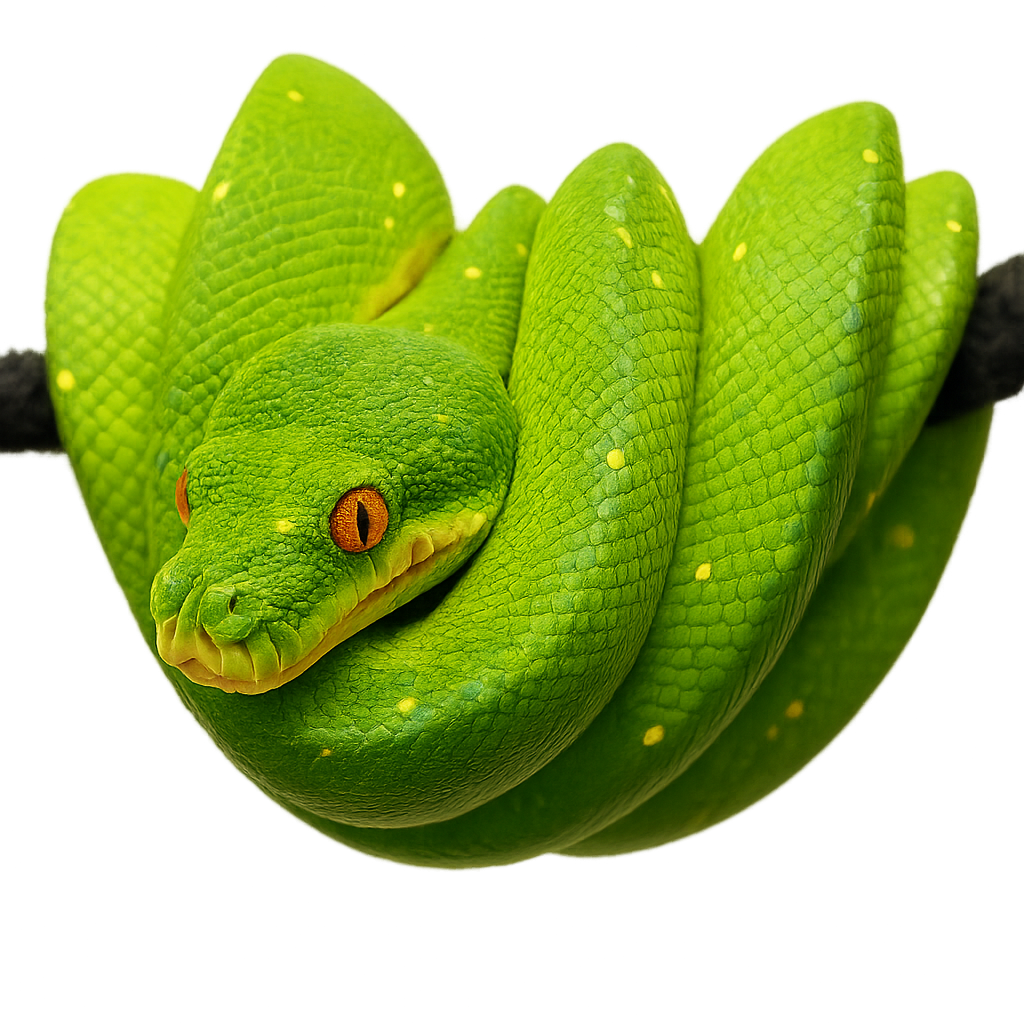
The green tree python is an arboreal snake native to the rainforests of New Guinea and northern Australia. It is easily recognized by its vibrant green color, which helps it blend into the foliage. This python primarily feeds on small mammals, birds, and reptiles, which it captures through ambush. Although non-venomous, it kills its prey by constriction. It is a species that can be very shy, often hiding in trees and foliage.
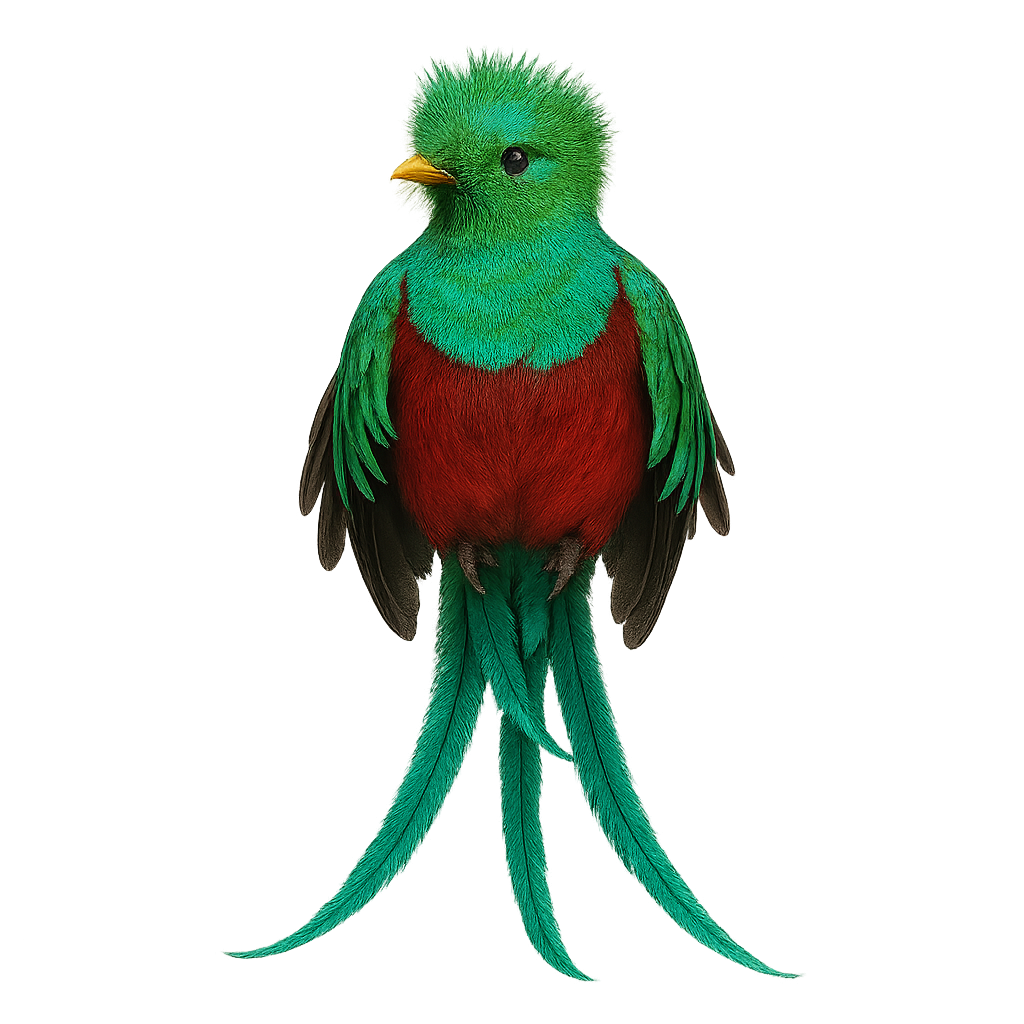
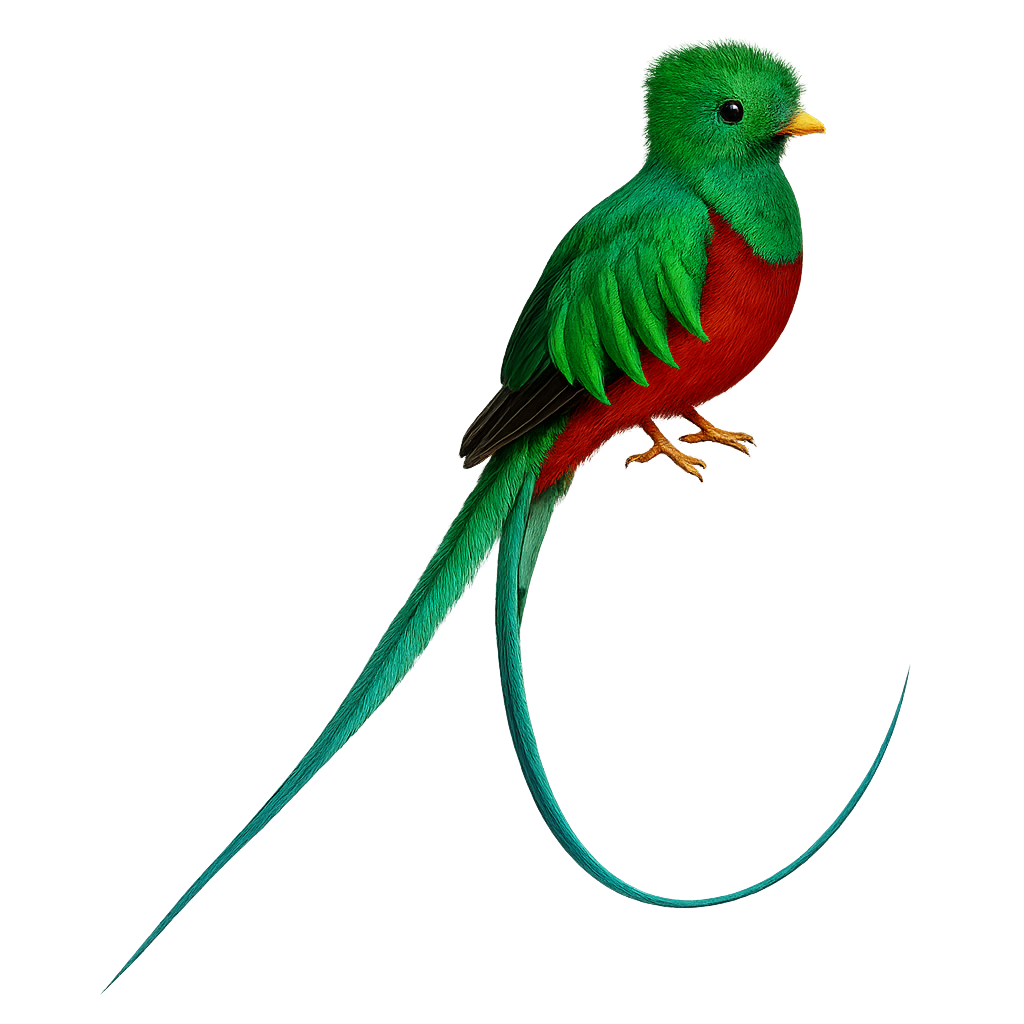
The Resplendent Quetzal is a colorful bird primarily found in the cloud forests of Guatemala and Mexico. It measures about 35 to 40 cm in length, with a wingspan of 50 to 60 cm, and weighs between 200 and 300 g. Its plumage is bright green with a vivid red throat and a long tail composed of elongated feathers. The male is particularly spectacular, with more colorful plumage and a distinctive crest. The Resplendent Quetzal is frugivorous, primarily feeding on fruits, berries, and small insects. It is also an important symbol in Mayan culture, representing freedom and the beauty of nature. Although its population is declining, primarily due to deforestation and poaching, this species remains protected in certain regions.
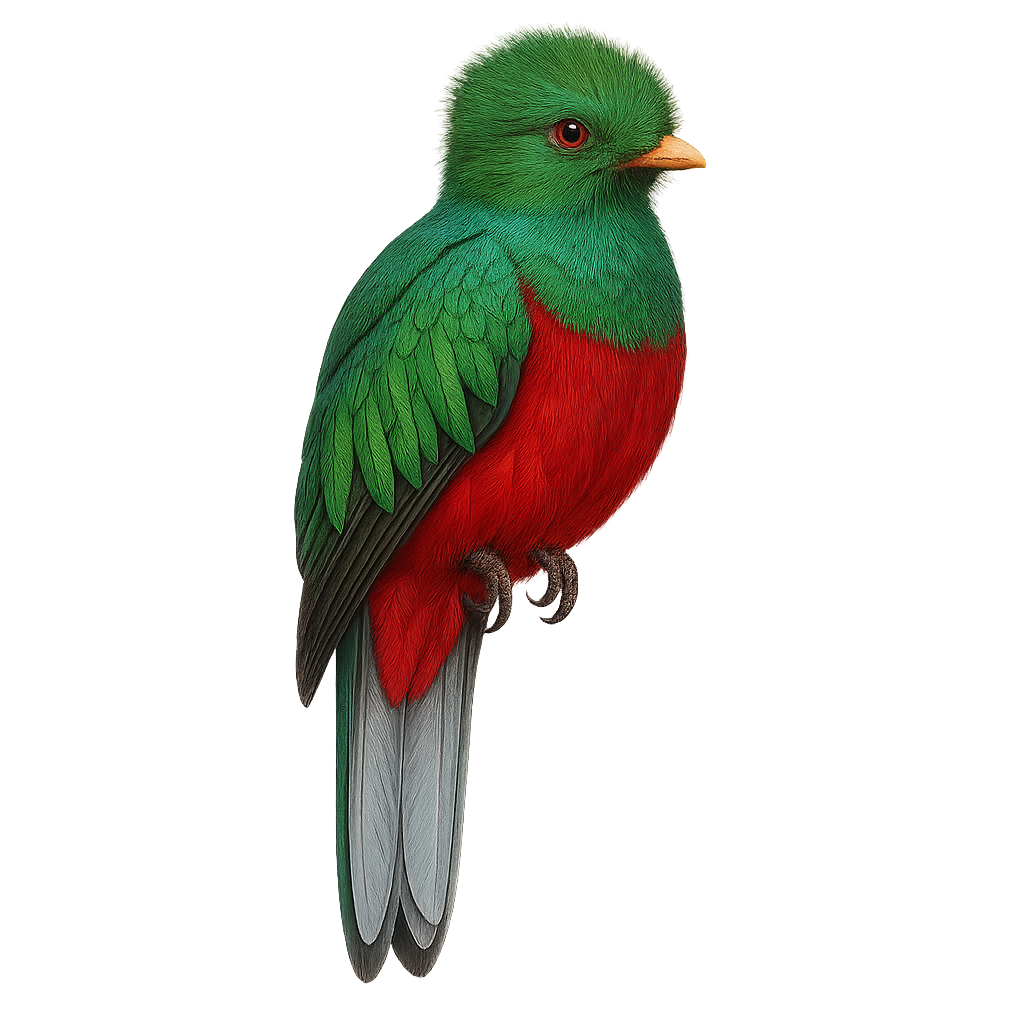
The Crested Quetzal, or Pharomachrus antisianus, is a striking bird found in the humid forests of the Andes. It is known for its vibrant plumage, with shades of emerald green and bright red, and the characteristic long tail of the males. This quetzal is a symbol of beauty and freedom in many South American cultures. It primarily feeds on fruits, but also consumes insects and small vertebrates. Its presence often indicates the health of its forest habitat. Although its conservation status is not alarming, deforestation poses a potential threat to its populations.
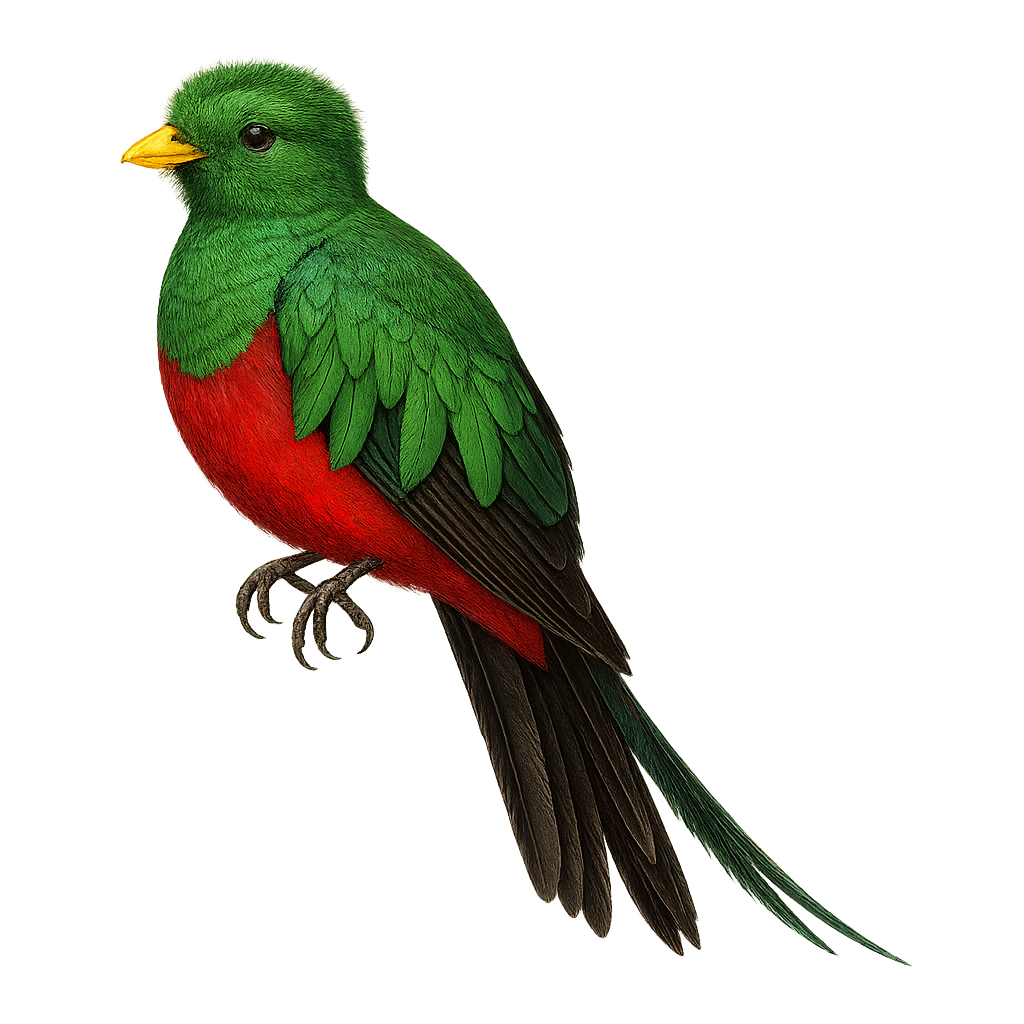
The Golden-headed Quetzal, or Pharomachrus auriceps, is a striking bird known for its vibrant plumage and presence in the humid tropical forests of Central and South America. This quetzal is distinguished by its golden head, metallic green wings, and long tail. It is often found in cloud forests, where it primarily feeds on fruits, but also insects and small vertebrates. Its melodious song and spectacular courtship displays make it a subject of interest for ornithologists and photographers. Although its habitat is threatened by deforestation, it remains relatively common in some protected areas.
The Pavonine Quetzal, or Pharomachrus pavoninus, is a stunning bird found in the tropical forests of South America. With its emerald green and vivid red plumage, it is admired for its beauty and grace. This bird measures about 36 to 40 cm in length, with a tail that can reach up to 60 cm in males. It primarily feeds on fruits, but also consumes insects and small vertebrates. The Pavonine Quetzal is often seen in humid forests, preferring altitudes between 500 and 2000 meters. Although its habitat is threatened by deforestation, it is currently listed as Least Concern by the IUCN.
The Resplendent Quetzal is a magnificent bird primarily found in the tropical and subtropical forests of the southwestern United States, Mexico, and Central America. It measures about 30 to 40 cm in length, with a wingspan of 50 to 60 cm, and weighs between 100 and 150 g. Its plumage is a vibrant green, with a vivid red throat and a long tail composed of elongated and brilliant feathers. The male is particularly spectacular, with even more colorful plumage and a distinctive crest. The Resplendent Quetzal is primarily frugivorous, feeding on fruits, berries, and small insects. This bird is also an important symbol in the indigenous cultures of the region, representing beauty and freedom. While its population remains relatively stable, this species is still vulnerable due to deforestation and habitat loss.
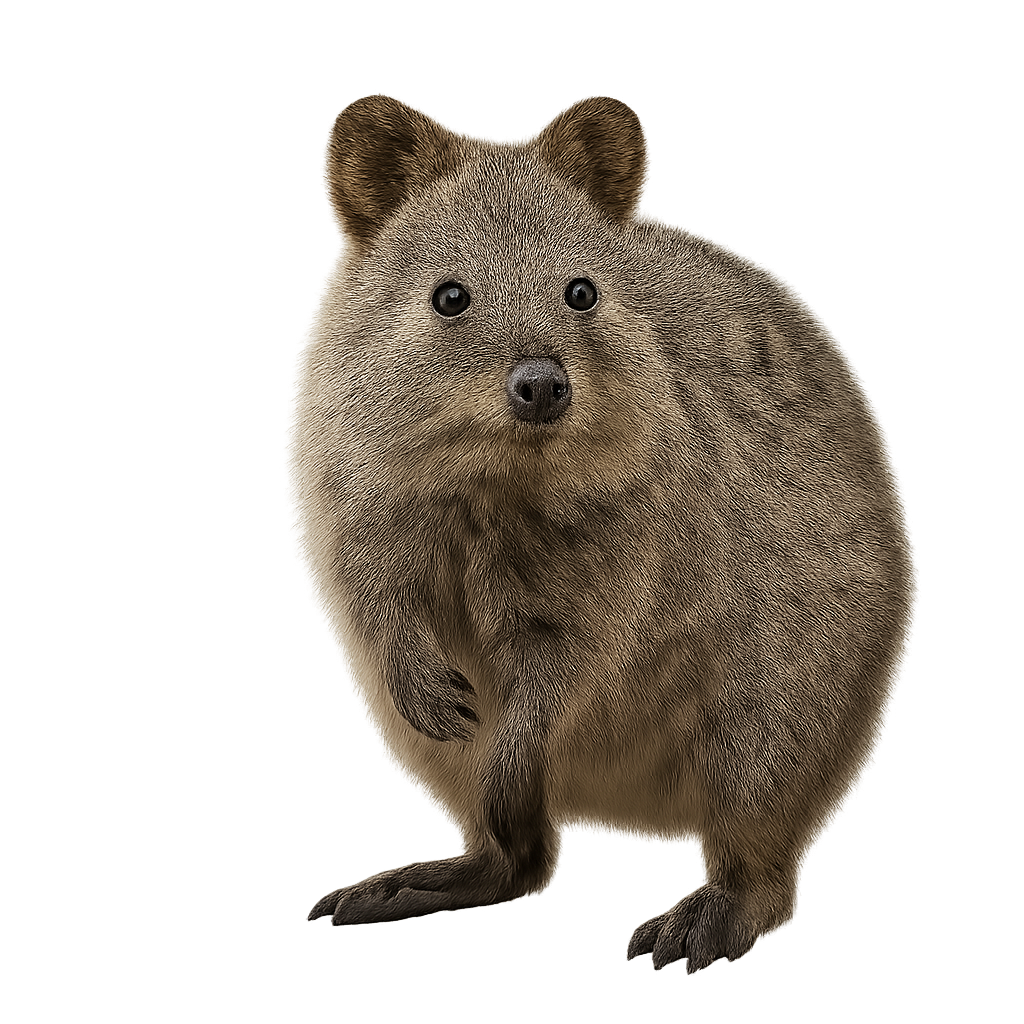
The quokka, or Setonix brachyurus, is a medium-sized marsupial native to Australia, often dubbed "the world's happiest animal" due to its smiling facial expression. It measures about 40 to 54 cm in length with a short tail of 25 to 30 cm. Its fur is brown-grey, dense, and woolly. Quokkas primarily inhabit Rottnest and Bald Islands near Australia's west coast. They are herbivores, feeding on leaves, grasses, and stems. Although mainly nocturnal, they can be active during the day. Quokkas are known for their curious and not very shy behavior towards humans, making them popular with tourists. However, it's important to respect their natural habitat and not feed them.
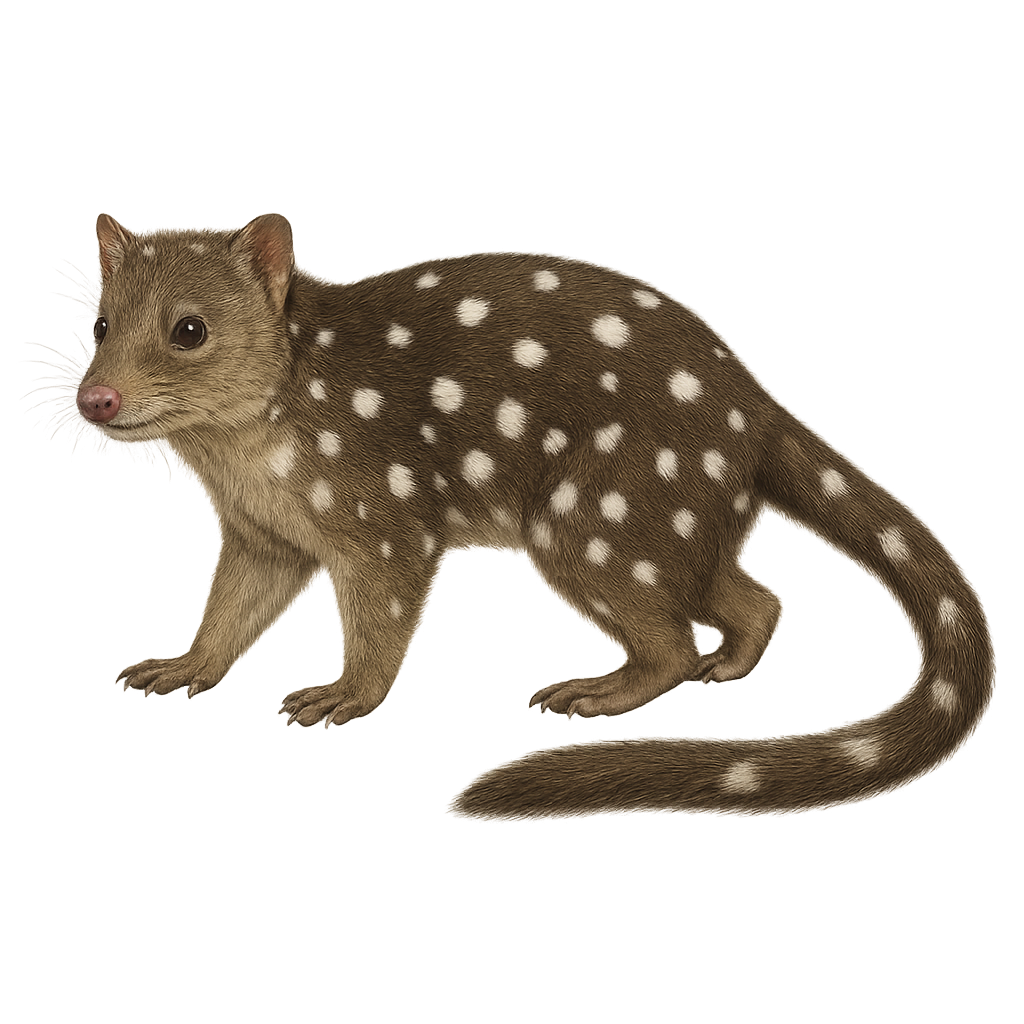
The spotted-tailed quoll, or Dasyurus maculatus, is a carnivorous marsupial native to Australia. It is characterized by its brown fur with white spots, a long tail, and a slender build. This agile predator is primarily nocturnal, feeding on small mammals, birds, and insects. It inhabits various environments, from rainforests to temperate woodlands. Although a solitary hunter, it can sometimes be seen in small groups during the breeding season. The spotted-tailed quoll plays a crucial role in the ecosystem by regulating prey populations. However, its population is declining due to habitat loss and predation by introduced species.
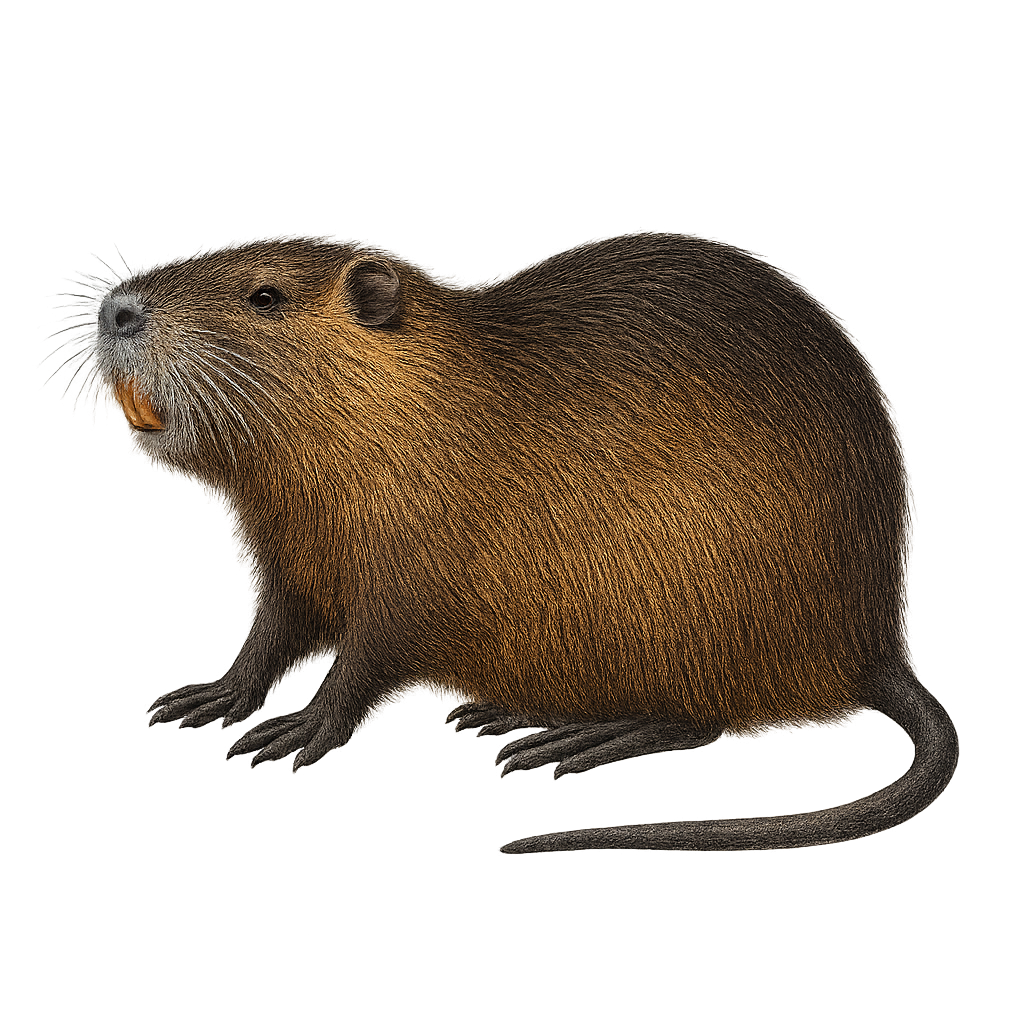
The coypu, or Myocastor coypus, is a large semi-aquatic rodent native to South America. It has a robust body, dense waterproof fur, and a long scaly tail. Its prominent incisors are bright orange. Adapted to aquatic life, it is often seen near rivers, lakes, and marshes. The coypu is herbivorous, feeding mainly on aquatic plants. Although valued for its fur, it is often considered a pest due to its impact on local ecosystems and hydraulic infrastructures. Introduced to many regions, it has adapted well and can be found in various wetland habitats.
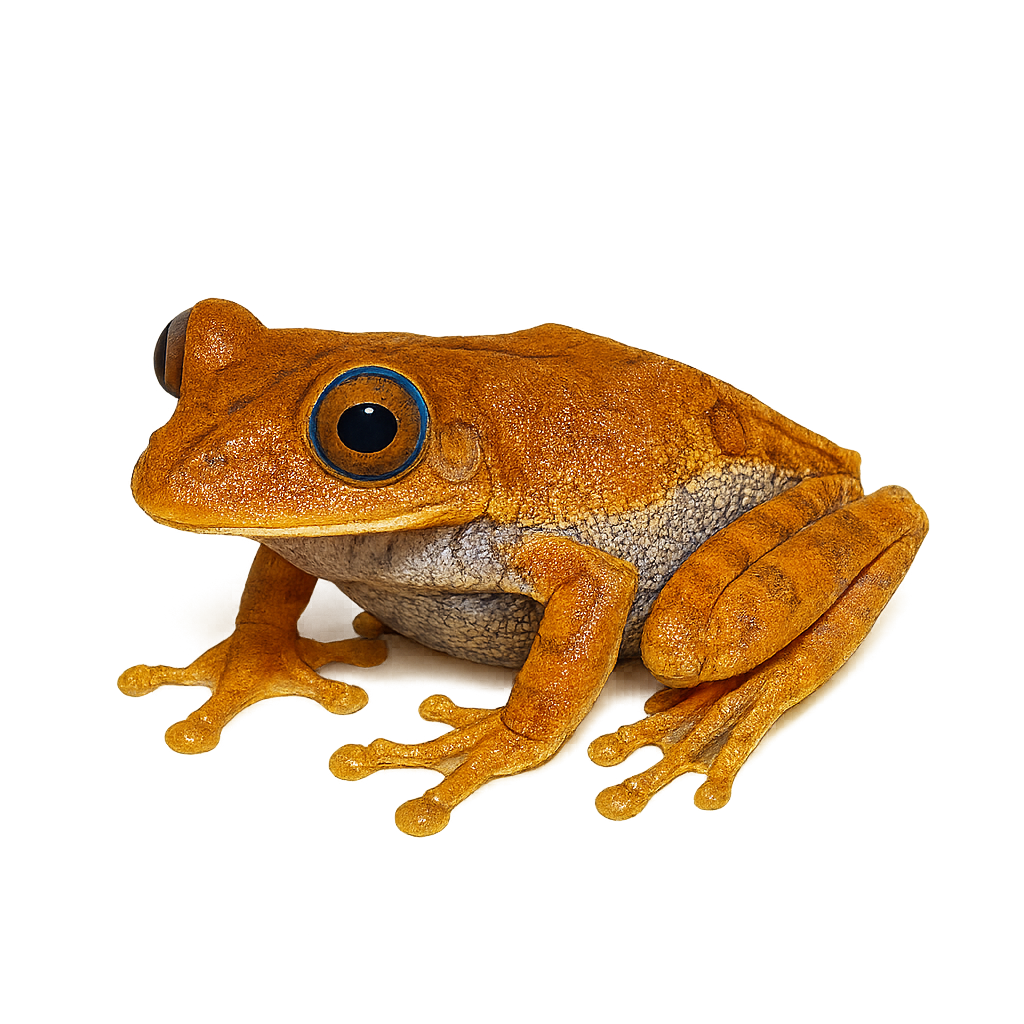
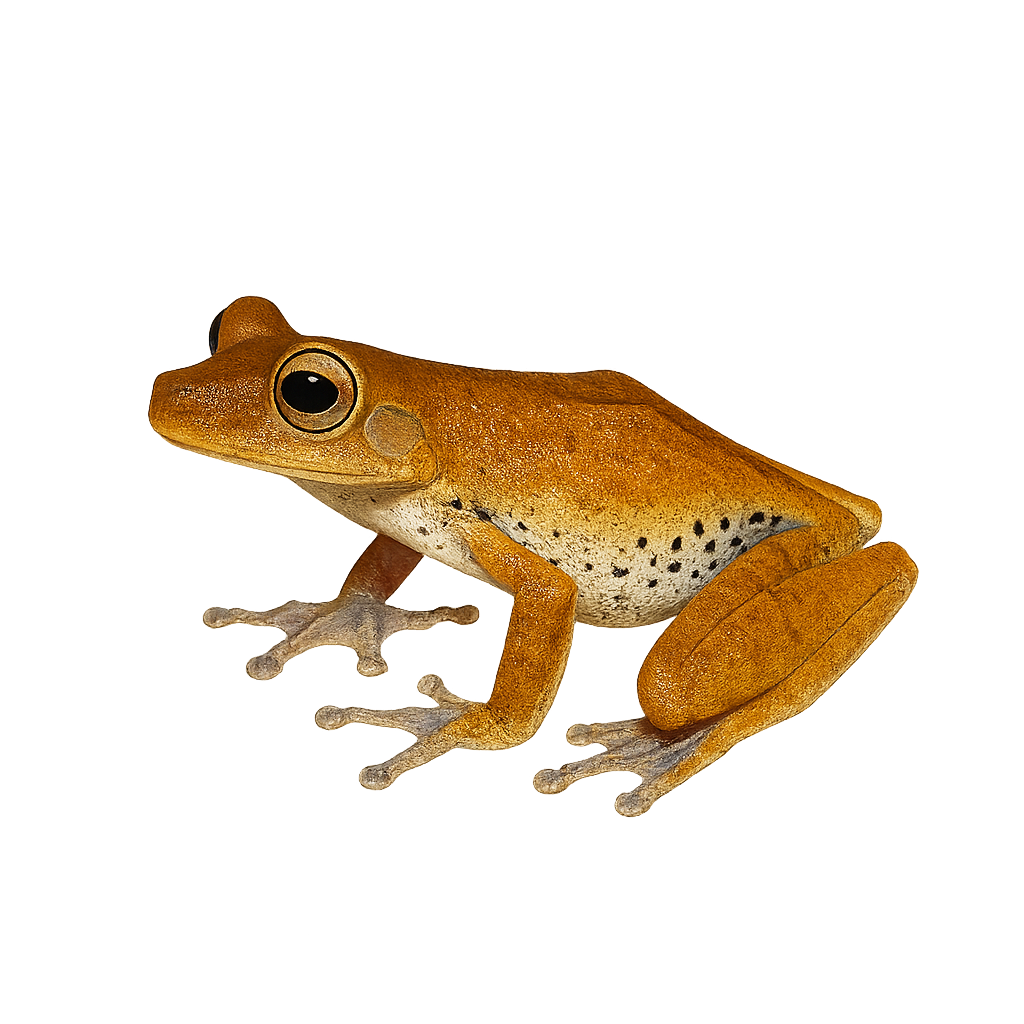
The Boana semilineata, commonly known as the Semilineated tree frog, is a species of arboreal frog found primarily in the humid tropical forests of South America. It is recognizable by its bright green coloration, often adorned with darker lines or patterns, allowing it to effectively camouflage among the leaves. This species is mainly nocturnal, hiding during the day to avoid predators. It primarily feeds on insects, which it captures with its sticky tongue. The striped tree frog plays an important role in the ecosystem by regulating insect populations. Although its population is stable, it is threatened by deforestation and the loss of its natural habitat.
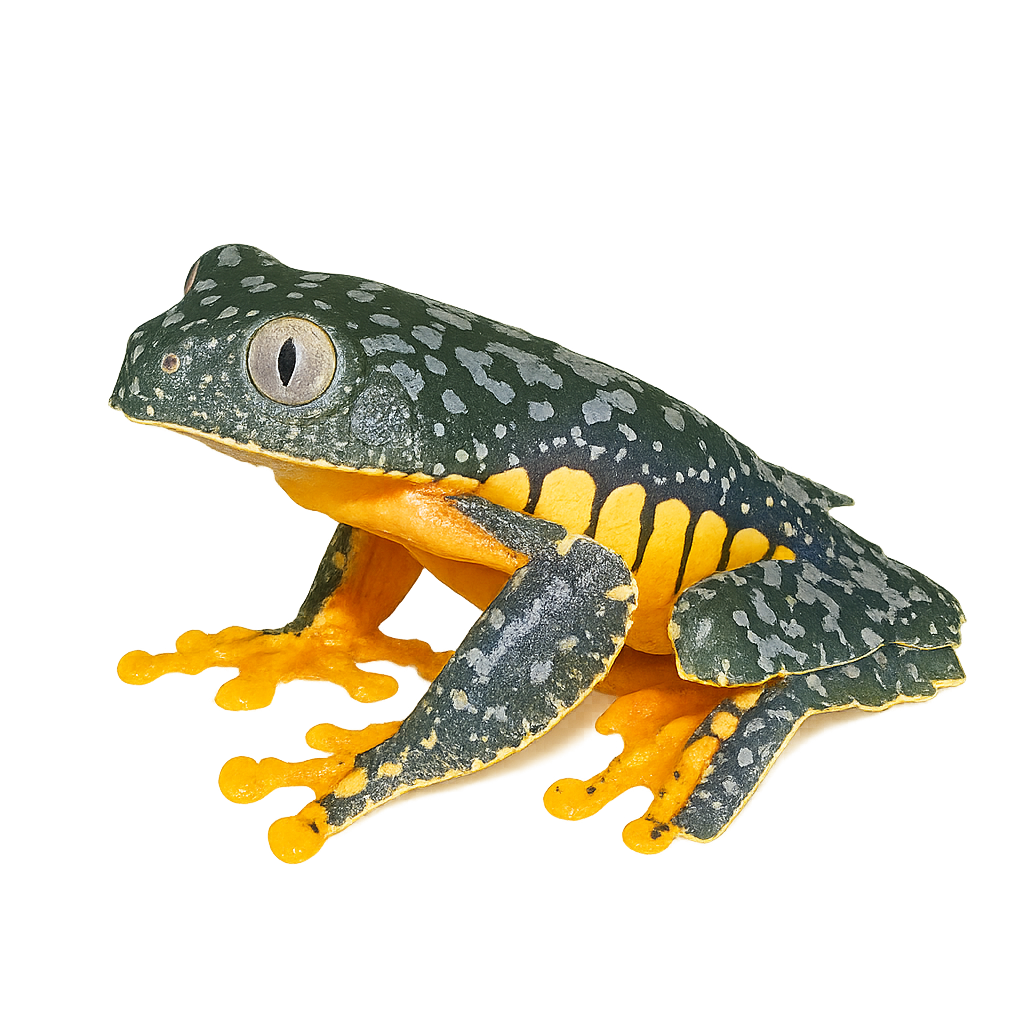
The Stained Treefrog, commonly known as the spotted tree frog, is a fascinating species from the Hylidae family. It is distinguished by its spotted skin, which allows it to blend effectively into its natural environment. This frog is primarily nocturnal, meaning it is active at night for feeding and breeding. It typically inhabits tropical rainforests, swamps, and riparian zones, where it finds both food and protection. Its ability to blend into the surroundings is impressive, and it uses this skill to evade predators. Although its conservation status is not alarming, it is crucial to protect its habitat to ensure its long-term survival.
The Fringed Tree Frog, or Cruziohyla craspedopus, is a fascinating amphibian species primarily inhabiting the humid tropical forests of South America. It is recognizable by its vibrant coloration, blending shades of green, blue, and yellow, which allows it to effectively camouflage in its natural habitat. This frog also features distinctive fringes along its limbs, from which it derives its name. It is mainly arboreal, spending most of its time in the tree canopy. The Fringed Tree Frog is nocturnal and primarily feeds on insects. It plays a crucial role in the ecosystem by regulating insect populations and serving as prey for many predators. Although its conservation status is concerning, it is still relatively widespread in some areas.
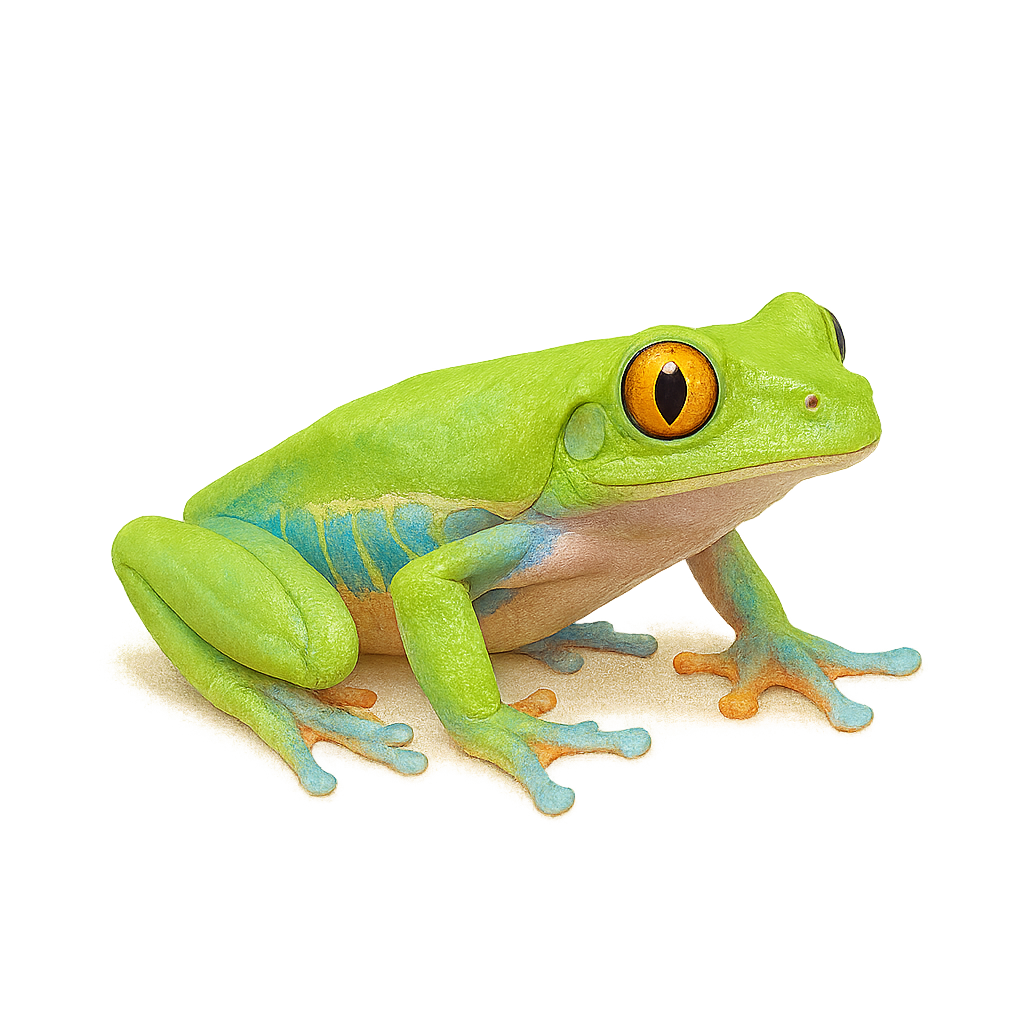
The Blue-sided Treefrog, or Agalychnis annae, is a tree-dwelling frog species native to the humid tropical forests of Costa Rica. It is easily recognizable by its bright red eyes, vivid green body, and blue sides. This frog is primarily nocturnal, resting on leaves during the day. It plays a crucial role in the ecosystem as an insect predator. Unfortunately, it is threatened by deforestation and habitat loss. Conservation efforts are essential to ensure its survival. Its thin, permeable skin makes it sensitive to environmental changes, making it an important indicator of habitat health.
The Red-eyed Tree Frog is a small arboreal frog primarily found in the humid tropical forests of Central and South America, particularly in Costa Rica and Panama. It measures about 5 to 7 cm in length and weighs between 10 and 20 g. Its body is generally green, with yellow or blue spots on the sides, and its eyes are bright red, making it a particularly recognizable species. The Red-eyed Tree Frog is insectivorous, primarily feeding on flying insects like mosquitoes and flies. It is nocturnal and spends the day hidden in foliage or tree crevices. While its population remains stable in certain protected areas, it is still threatened by deforestation and pollution of its natural habitat.
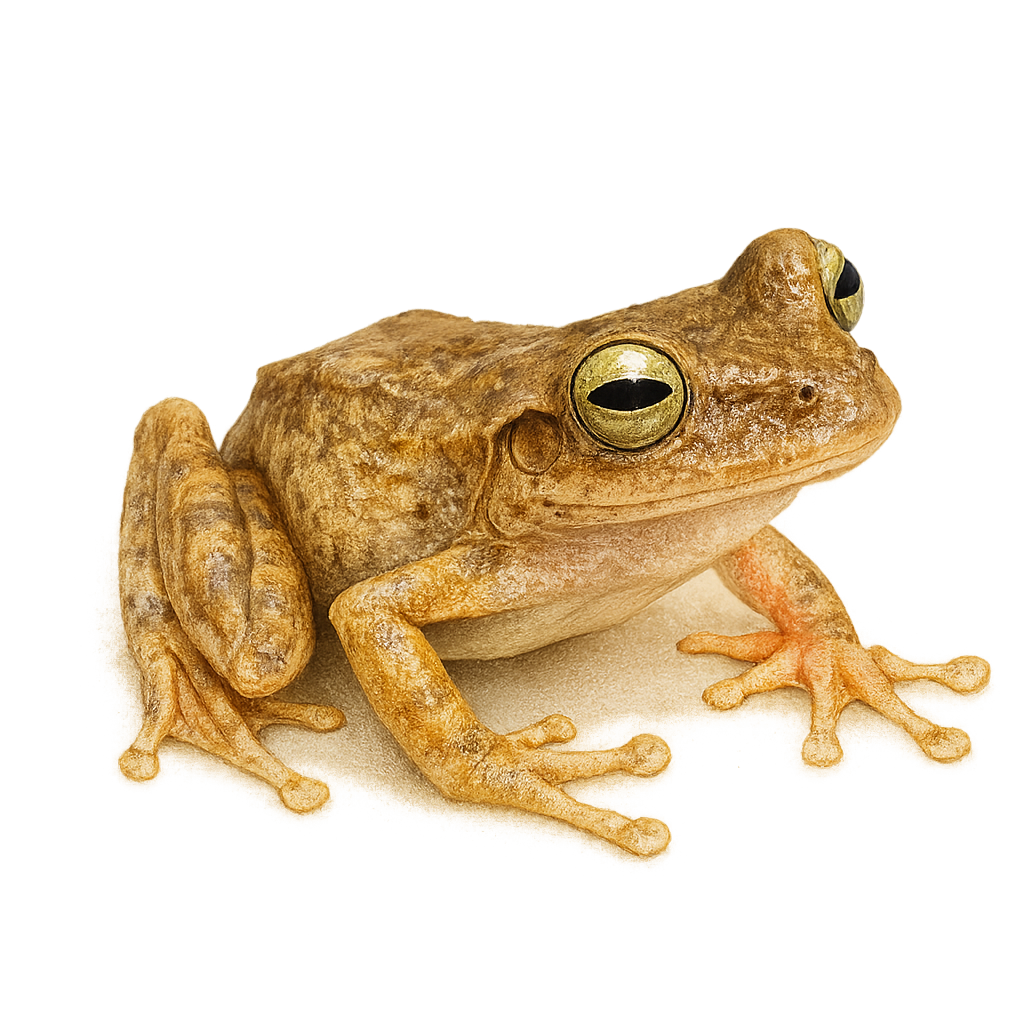
The Demerara Falls Treefrog, or Boana cinerascens, is a species of amphibian in the Hylidae family. It is primarily found in the humid tropical forests of South America, particularly in Brazil, Colombia, and Peru. This frog is characterized by its grayish coloration, which allows it to effectively camouflage in its natural environment. It has suction pads at the tips of its fingers, facilitating its movement in trees. The Ashy Tree Frog is nocturnal and primarily feeds on insects. It plays an important role in the ecosystem by regulating insect populations. Although its conservation status is not of concern, deforestation poses a potential threat to its natural habitat.
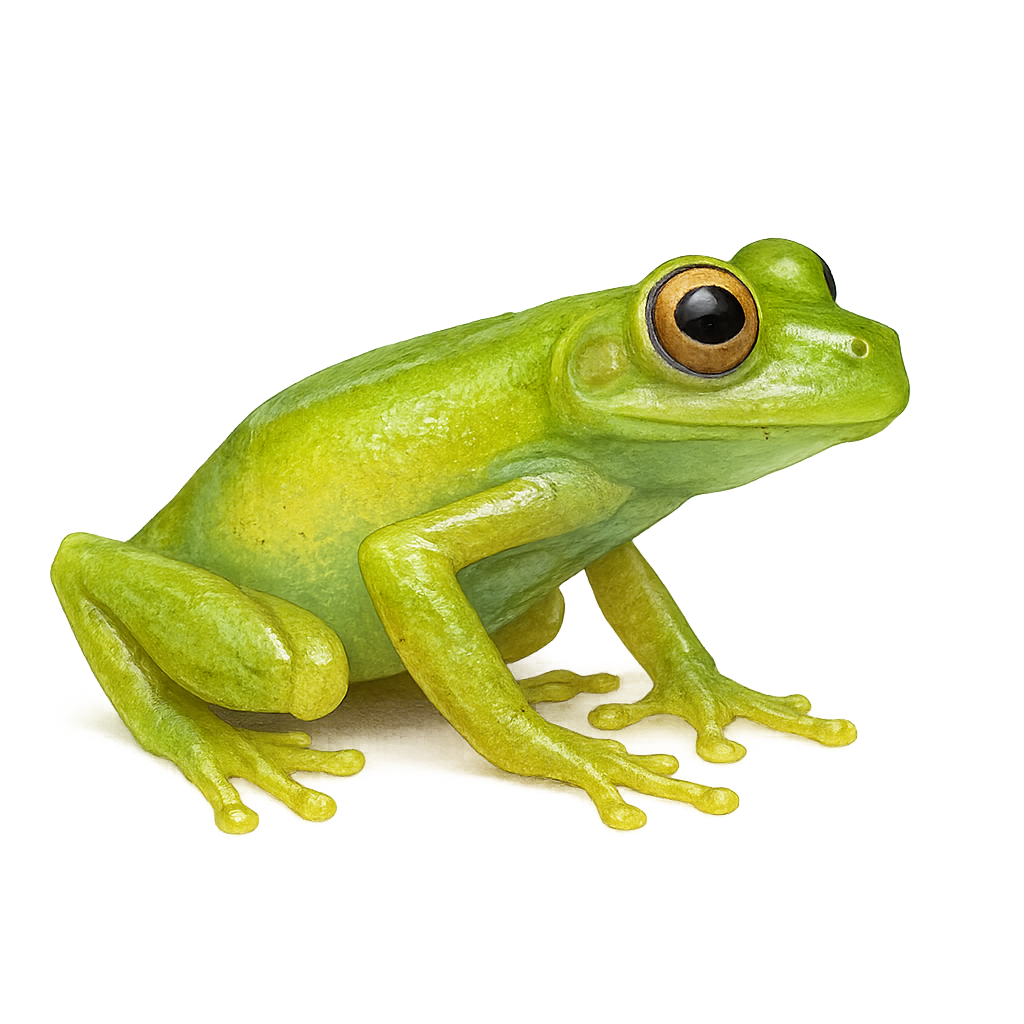
The Emerald‑eyed treefrog, scientifically known as Hypsiboas crepitans, is a tree-dwelling frog native to tropical regions of Central and South America. It is characterized by its smooth skin and green coloration, which provides excellent camouflage among leaves. Typically measuring between 3 and 5 cm, this frog has adhesive pads on its toes, aiding in climbing. It is primarily nocturnal, feeding on insects. Its distinctive call, a crepitating sound, is often heard during humid nights, especially in the rainy season.
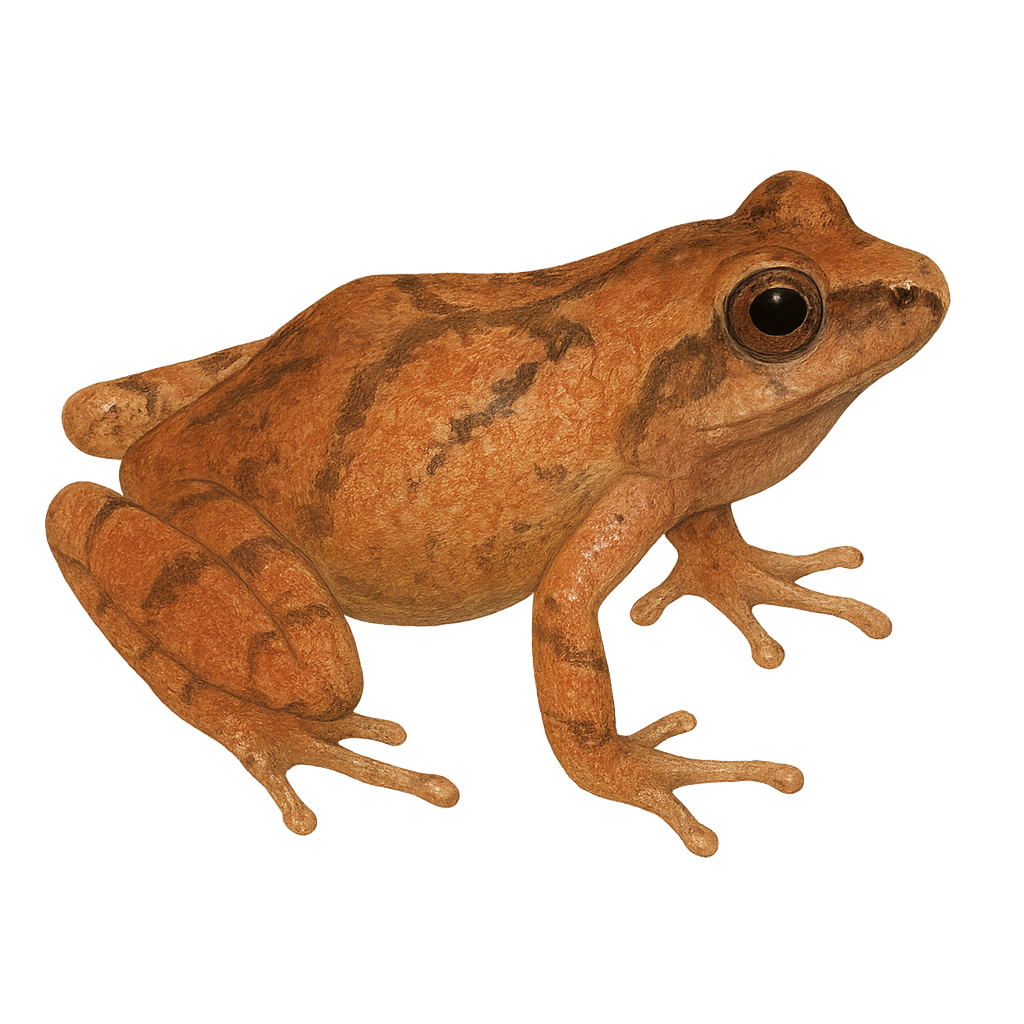
The Spring Peeper, or Pseudacris crucifer, is a small tree frog native to North America, known for its distinctive call that heralds the arrival of spring. Typically measuring between 2 and 4 cm, it is characterized by a dark X-shaped mark on its back, which gives it its scientific name. It primarily inhabits wetlands, forests, and meadows. Although difficult to spot due to its small size and camouflaging color, its powerful and melodious call is often heard during spring evenings. The Spring Peeper plays a crucial role in the ecosystem by regulating insect populations.
Litoria dayi, commonly known as the Australian Lace-lid, is a tree frog species endemic to Australia. It is characterized by its smooth skin and bright green coloration, often with brown spots. This frog is primarily nocturnal and prefers humid tropical rainforests, where it hides among leaves and branches. Known for its distinctive call, it uses this to attract mates during the breeding season. Although generally discreet, it can be observed near water bodies where it breeds. Unfortunately, Litoria dayi is threatened by habitat loss and diseases, leading to a decline in its population.
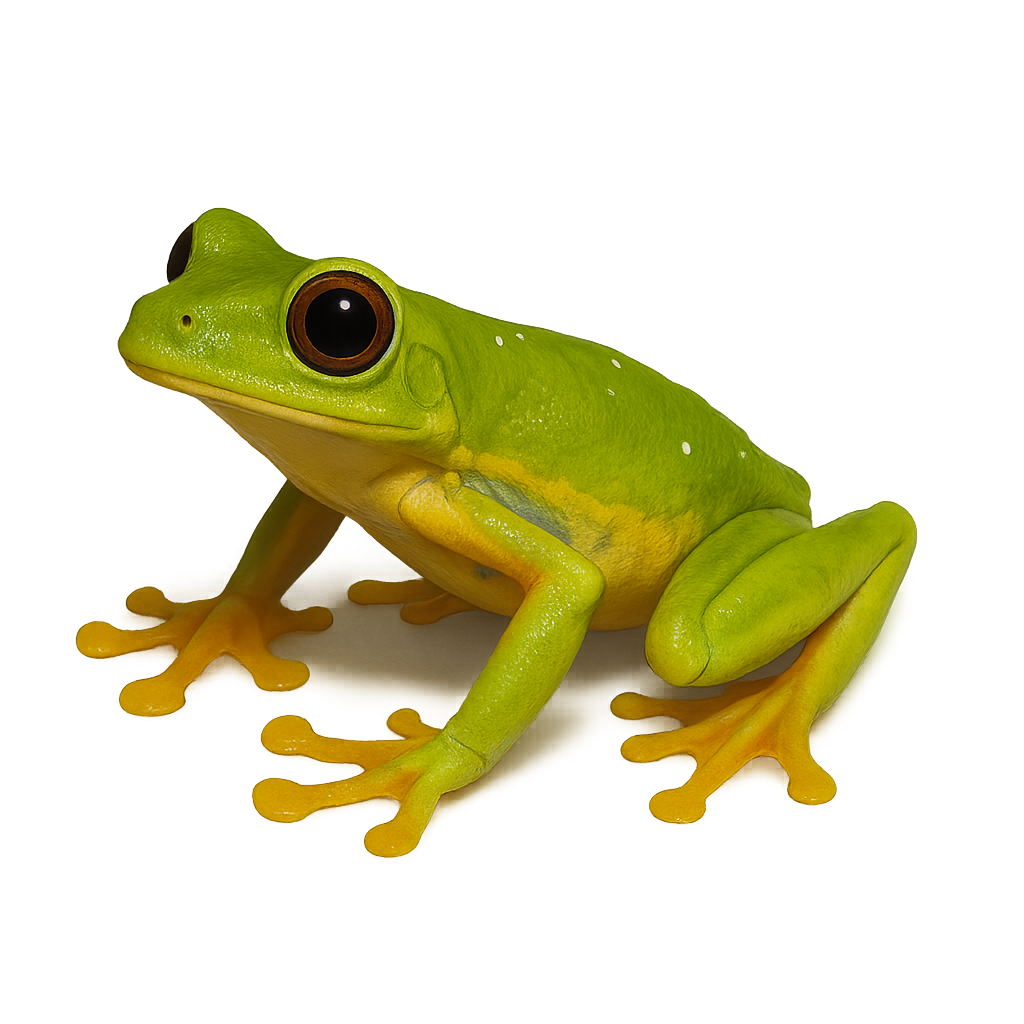
The Gliding Tree Frog is a medium-sized nocturnal arboreal frog, measuring between 5 and 8 cm. It has bright green dorsal coloration during the day, turning darker at night, with orange or bluish hues on its flanks and limbs. Its large red eyes and webbed feet enable it to "fly" from tree to tree by gliding. This species inhabits humid tropical forests in Costa Rica, Panama, Colombia, and Ecuador, between 15 and 750 m elevation. It resides in the canopy and descends to the ground to breed in temporary pools formed by rains. Breeding is explosive, with thousands of individuals gathering in a single night to lay eggs on leaves overhanging water. Tadpoles fall into the water upon hatching. Although listed as Least Concern by the IUCN, this species is locally threatened by deforestation and habitat loss.
Cruziohyla sylviae, commonly known as Sylvia's Tree Frog, is a strikingly beautiful species of tree frog native to the humid rainforests of Central America. It is characterized by its vibrant green skin adorned with blue and yellow spots, providing excellent camouflage among the foliage. This nocturnal species spends its days resting on tree leaves and plays a crucial role in the ecosystem by controlling insect populations. Sylvia's Tree Frog is also an important indicator of environmental health, as it is sensitive to habitat changes. Conservation efforts are vital to preserve this species and maintain the ecological balance of tropical forests.
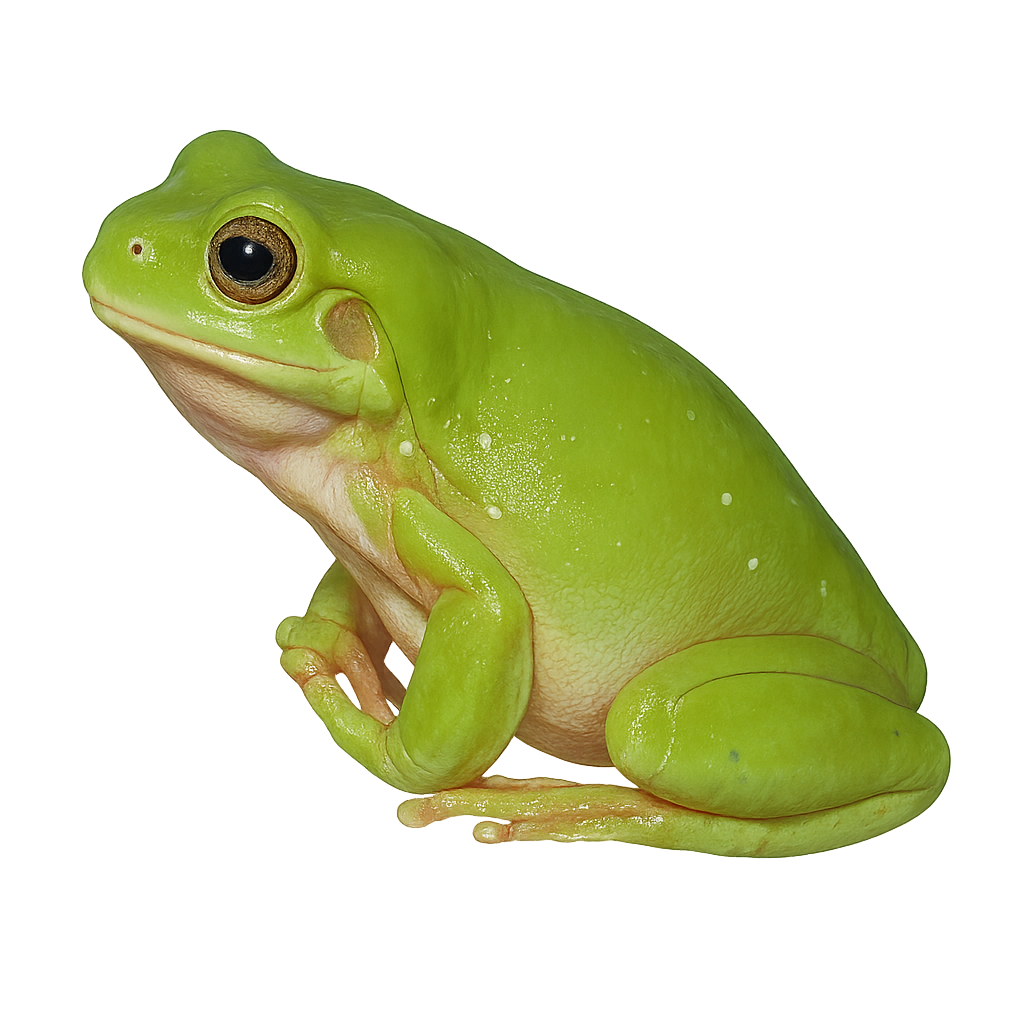
The Litoria caerulea, commonly known as the Australian Green Tree Frog, is a species of arboreal frog native to Australia and New Guinea. It is easily recognizable by its smooth, shiny skin, which is typically emerald green, although some may exhibit bluish hues. This frog is known for its longevity, living up to 16 years in captivity. It has adhesive discs on its fingers, allowing it to climb vertical surfaces with ease. The Australian Green Tree Frog is often found in humid areas, rainforests, and urban gardens. Its docile nature makes it a popular pet.
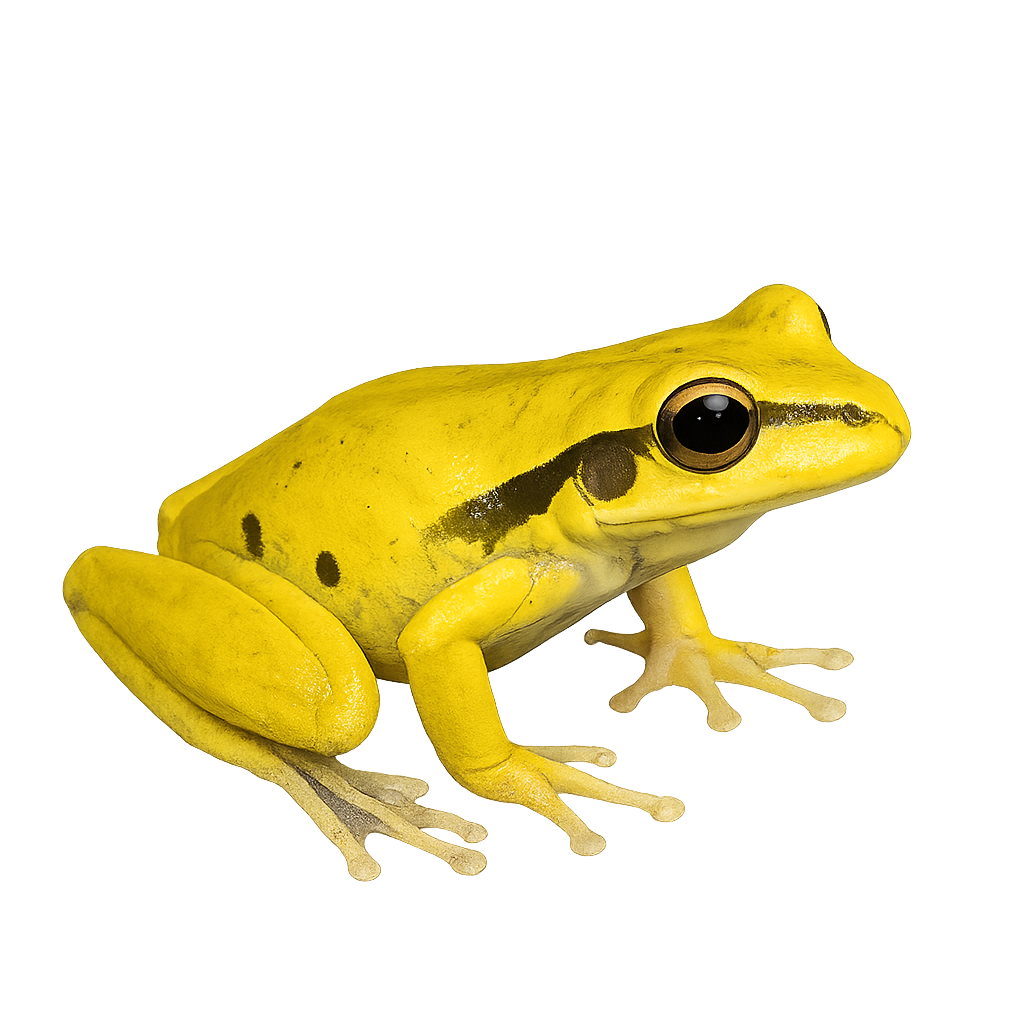
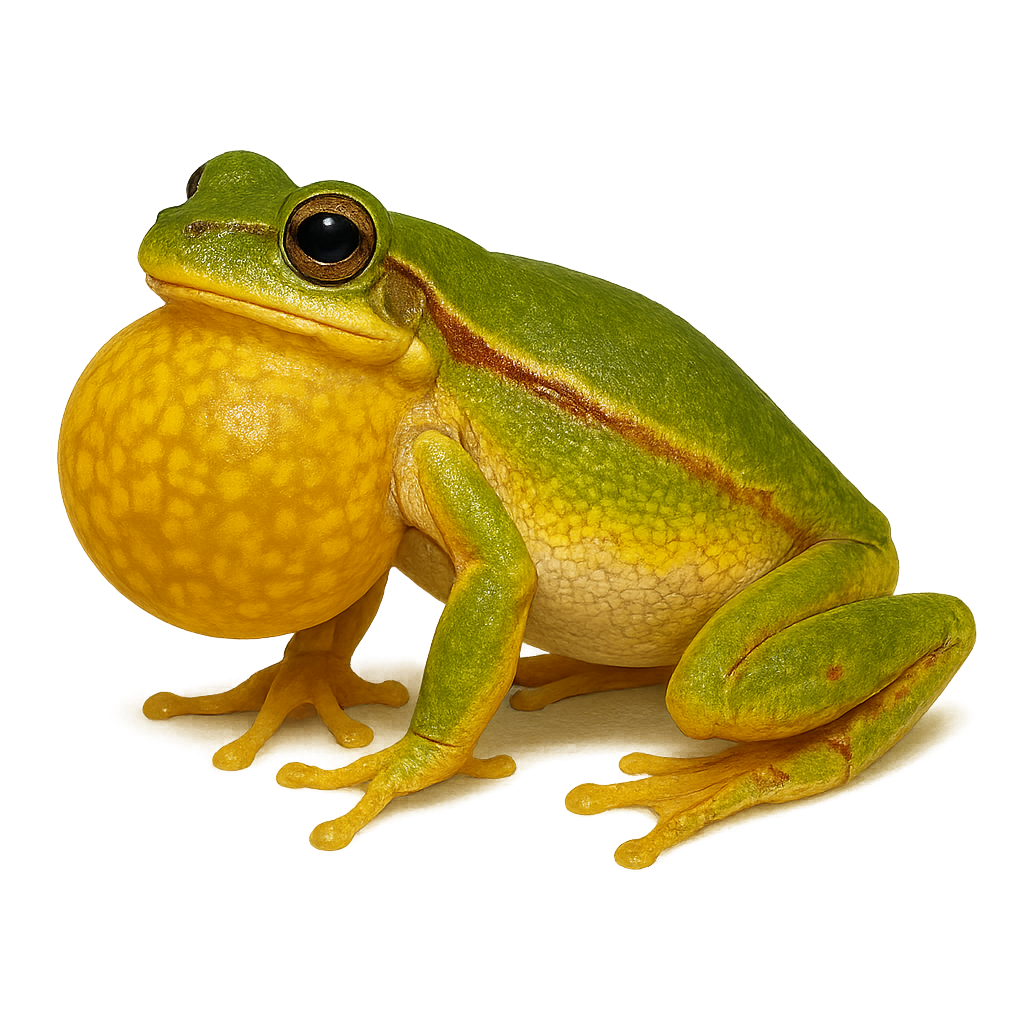
The Wilcox's Frog, or Litoria wilcoxii, is a tree frog species primarily found in the coastal regions of southeastern Queensland and northeastern New South Wales in Australia. It is recognizable by its smooth skin and bright green coloration, often speckled with golden or brown spots. This frog prefers humid habitats such as rainforests, swamps, and riverbanks with dense vegetation. It is mainly nocturnal, hiding in vegetation during the day and becoming active at night to feed on insects. Although its conservation status is currently "least concern," it is sensitive to environmental changes, particularly habitat loss and pollution.
The Boana pulchella, commonly known as the Elegant Tree Frog, is a species of amphibian in the Hylidae family. It is primarily found in South America, particularly in Argentina, Brazil, and Uruguay. This frog is recognizable by its smooth skin and vibrant colors, usually green with shades of yellow and brown. It measures about 3 to 5 cm in length. The Boana pulchella is an arboreal species that prefers humid habitats, such as tropical and subtropical forests. It is mainly active at night, feeding on insects and other small invertebrates. Although its conservation status is currently "least concern," it is threatened by the loss of its natural habitat due to deforestation and urbanization.