

Your wildlife photography guide.
Explore the american coot in detail, study its behavior, prepare your shots.
Where to observe and photograph the american coot in the wild
Learn where and when to spot the american coot in the wild, how to identify the species based on distinctive features, and what natural environments it inhabits. The WildlifePhotographer app offers tailored photography tips that reflect the american coot’s behavior, helping you capture better wildlife images. Explore the full species profile for key information including description, habitat, active periods, and approach techniques.
American Coot
Scientific name: Fulica americana
IUCN Status: Least Concern
Family: RALLIDAE
Group: Birds
Sensitivity to human approach: Suspicious
Minimum approach distance: 10 m
Courtship display: March to June
Incubation: 21-25 jours
Hatchings: April to July
Habitat:
Lakes, ponds, marshes
Activity period :
Primarily active during the day, with peak activity in the morning and late afternoon.
Identification and description:
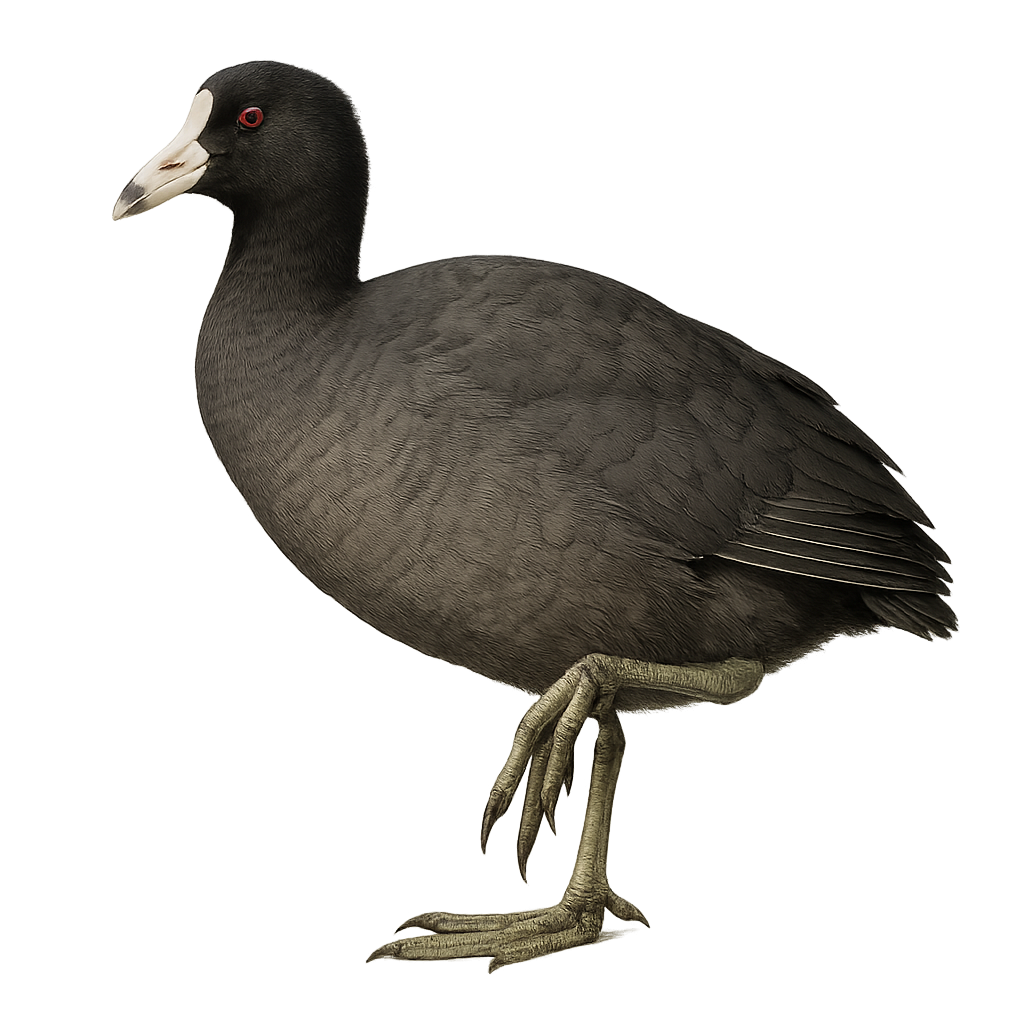
The American Coot is a medium-sized waterbird, easily identified by its slate-gray plumage and distinctive white bill, often marked with a red spot at the base. It inhabits lakes, ponds, and marshes across North America, feeding primarily on aquatic vegetation, insects, and small fish. Although often mistaken for a duck, it belongs to the rail family. It has strong legs and long lobed toes that enable it to swim and walk on floating vegetation. The American Coot is known for its territorial behavior, especially during the breeding season, when it vigorously defends its territory against intruders.
Recommended lens:
400mm – adjust based on distance, desired framing (portrait or habitat), and approach conditions.
Photography tips:
To photograph the American Coot, focus on wetlands where it is active. Use a telephoto lens of at least 400mm to capture details without disturbing it. Early mornings or late afternoons provide ideal soft lighting. Stay discreet and patient, as this bird can be suspicious. A tripod can be helpful for stable shots. Observe its behavior to anticipate movements and capture dynamic shots, especially during territorial interactions.
From knowledge to field practice
A species profile helps you understand an animal. In the field, the challenge is often different. Remembering your own observations.
The WildlifePhotographer app allows you to:
• record your personal observations
• note locations, dates, and behaviors
• revisit your field references over time
• build a private and long-term field logbook
The app does not provide observation locations.
It helps you organize what you actually observe, with respect for wildlife.