
Your wildlife photography guide.
Explore the mediterranean monk seal in detail, study its behavior, prepare your shots.
Where to observe and photograph the mediterranean monk seal in the wild
Learn where and when to spot the mediterranean monk seal in the wild, how to identify the species based on distinctive features, and what natural environments it inhabits. The WildlifePhotographer app offers tailored photography tips that reflect the mediterranean monk seal’s behavior, helping you capture better wildlife images. Explore the full species profile for key information including description, habitat, active periods, and approach techniques.
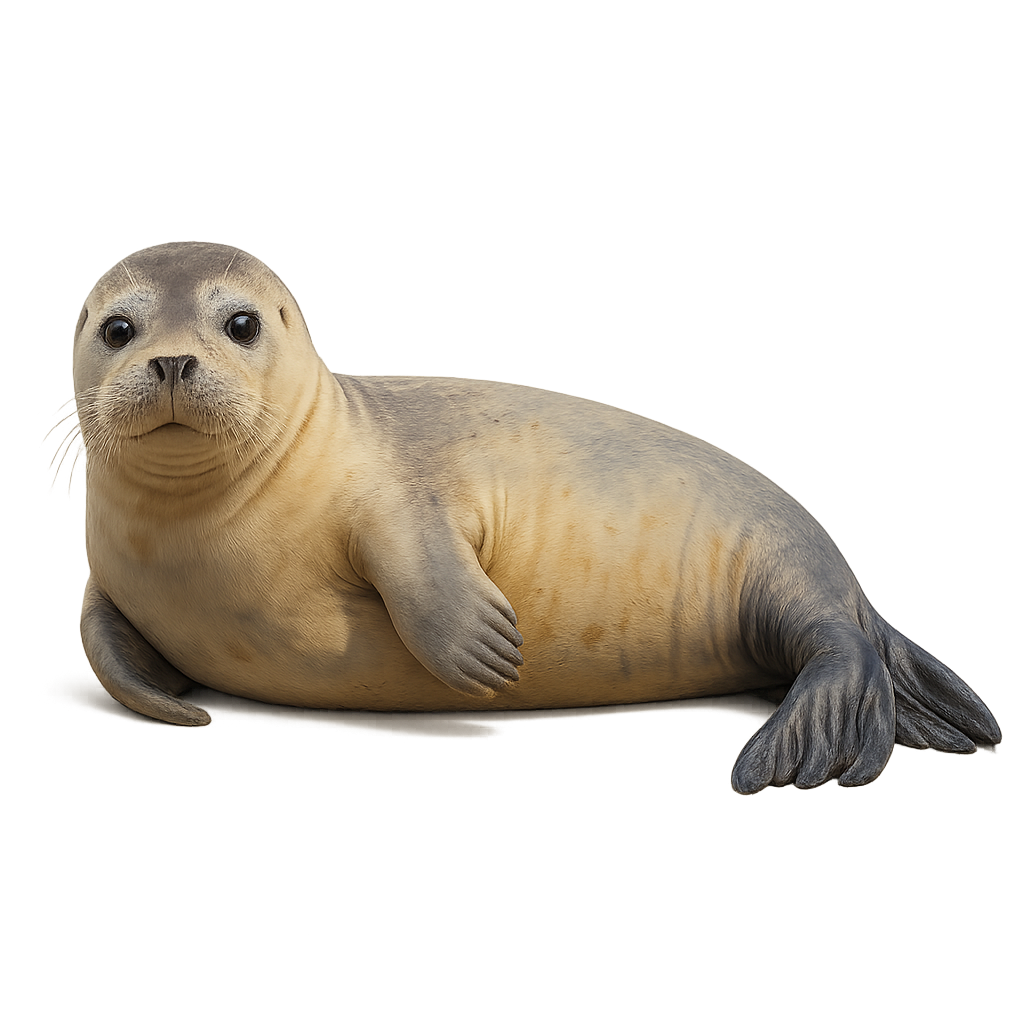
Mediterranean monk seal
Scientific name: Monachus monachus
IUCN Status: Critically Endangered
Family: PHOCIDAE
Group: Marine mammals
Sensitivity to human approach: Very shy
Minimum approach distance: 100 m
Reproductive period: February to April
Duration: 330–360 jours
Births: February to April
Habitat:
Coastal caves, remote beaches and shallow waters
Activity period :
Primarily active during the day, with peak activity in the morning and late afternoon.
Identification and description:
The Mediterranean monk seal is a large marine mammal, 2–3 m long and weighing 200–350 kg, with a streamlined grey body and smooth skin. A critically endangered species of the Mediterranean coast and eastern Atlantic, it occupies coastal caves, remote beaches and shallow waters, feeding mainly on fish and cephalopods.
Recommended lens:
400 mm – adjust based on distance, desired framing (portrait or habitat), and approach conditions.
Photography tips:
Position yourself discreetly in a kayak or RIB at a respectful distance, keep the camera at water level and anticipate the seal surfacing to breathe, capturing its head and eye in raking morning light.
From knowledge to field practice
A species profile helps you understand an animal. In the field, the challenge is often different. Remembering your own observations.
The WildlifePhotographer app allows you to:
• record your personal observations
• note locations, dates, and behaviors
• revisit your field references over time
• build a private and long-term field logbook
The app does not provide observation locations.
It helps you organize what you actually observe, with respect for wildlife.