
Your wildlife photography guide.
Explore the northern sea otter in detail, study its behavior, prepare your shots.
Where to observe and photograph the northern sea otter in the wild
Learn where and when to spot the northern sea otter in the wild, how to identify the species based on distinctive features, and what natural environments it inhabits. The WildlifePhotographer app offers tailored photography tips that reflect the northern sea otter’s behavior, helping you capture better wildlife images. Explore the full species profile for key information including description, habitat, active periods, and approach techniques.
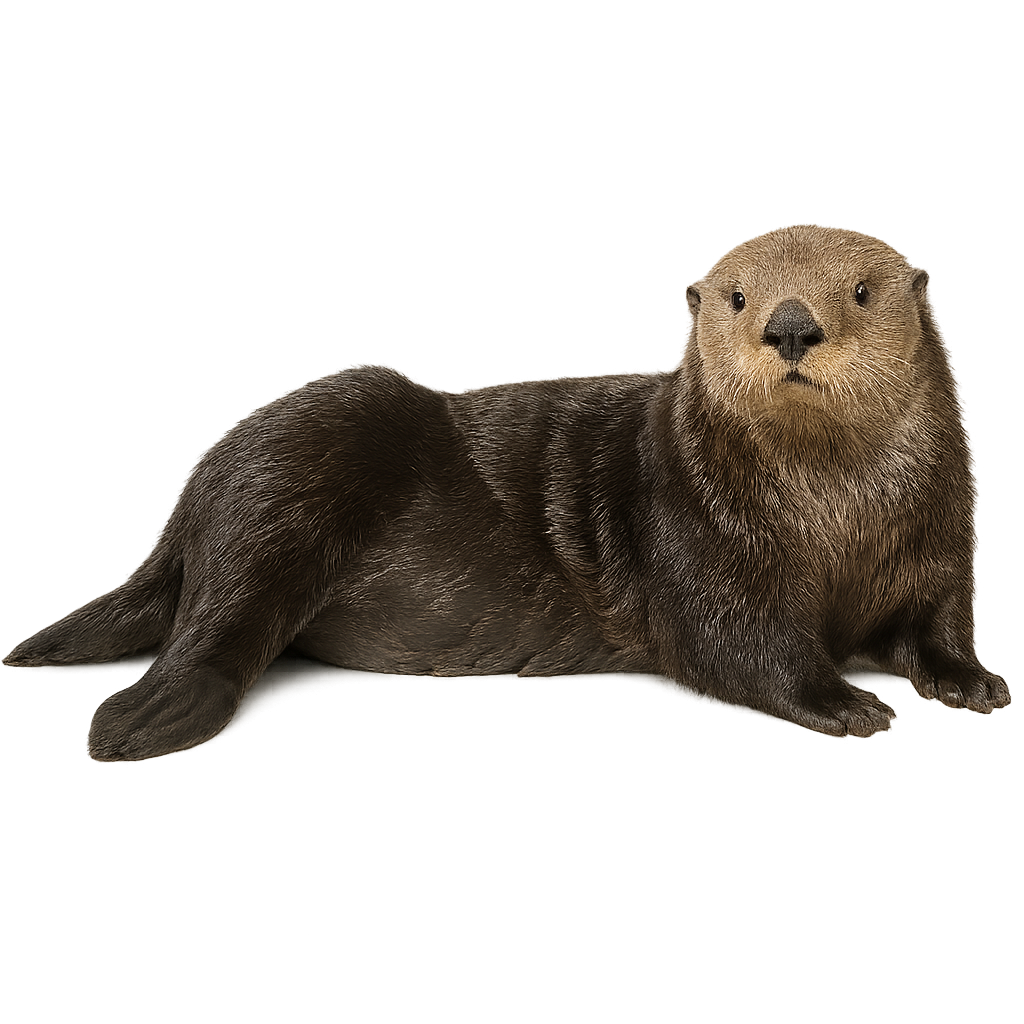
Northern sea otter
Scientific name: Enhydra lutris kenyoni
IUCN Status: Vulnerable
Family: MUSTELIDAE
Group: Mammals
Sensitivity to human approach: Suspicious
Minimum approach distance: 10 m
Rut period: January to December
Gestation: 220-275 jours
Births: January to December
Habitat:
Rocky coasts, kelp forests, estuaries
Activity period :
Active intermittently throughout day and night.
Identification and description:
The Enhydra lutris kenyoni, or northern sea otter, is a fascinating marine mammal known for its dense fur and playful behavior. It primarily inhabits the North American coasts, from Alaska to British Columbia. These otters are skilled divers, feeding on mollusks, crustaceans, and fish. They play a crucial ecological role by regulating sea urchin populations, thus preserving kelp forests. Sea otters are often seen floating on their backs, using stones to open shells. Although their population was decimated by hunting for their fur, conservation efforts have led to some recovery. However, they remain vulnerable to oil spills and climate change.
Recommended lens:
400 mm – adjust based on distance, desired framing (portrait or habitat), and approach conditions.
Photography tips:
To photograph the northern sea otter, choose times of day when the light is soft, such as early morning or late afternoon. Use a telephoto lens of at least 400mm to capture detailed images from a distance without disturbing the animal. Be patient and wait for the otter to be comfortable in its natural environment. Moments when it uses tools to feed or floats on its back are particularly photogenic. Ensure you respect safety distances to avoid stressing the animal and to ensure your safety.
From knowledge to field practice
A species profile helps you understand an animal. In the field, the challenge is often different. Remembering your own observations.
The WildlifePhotographer app allows you to:
• record your personal observations
• note locations, dates, and behaviors
• revisit your field references over time
• build a private and long-term field logbook
The app does not provide observation locations.
It helps you organize what you actually observe, with respect for wildlife.