

Your wildlife photography guide.
Explore the pyrenean ibex in detail, study its behavior, prepare your shots.
Where to observe and photograph the pyrenean ibex in the wild
Learn where and when to spot the pyrenean ibex in the wild, how to identify the species based on distinctive features, and what natural environments it inhabits. The WildlifePhotographer app offers tailored photography tips that reflect the pyrenean ibex’s behavior, helping you capture better wildlife images. Explore the full species profile for key information including description, habitat, active periods, and approach techniques.
Pyrenean Ibex
Scientific name: Capra pyrenaica pyrenaica
IUCN Status: Extinct
Family: BOVIDAE
Group: Mammals
Sensitivity to human approach: Very shy
Minimum approach distance: 50 m
Rut period: November to December
Gestation: 160-170 jours
Births: May to June
Habitat:
Rocks, alpine meadows
Activity period :
Primarily active during the day, with peak activity in the morning and late afternoon.
Identification and description:
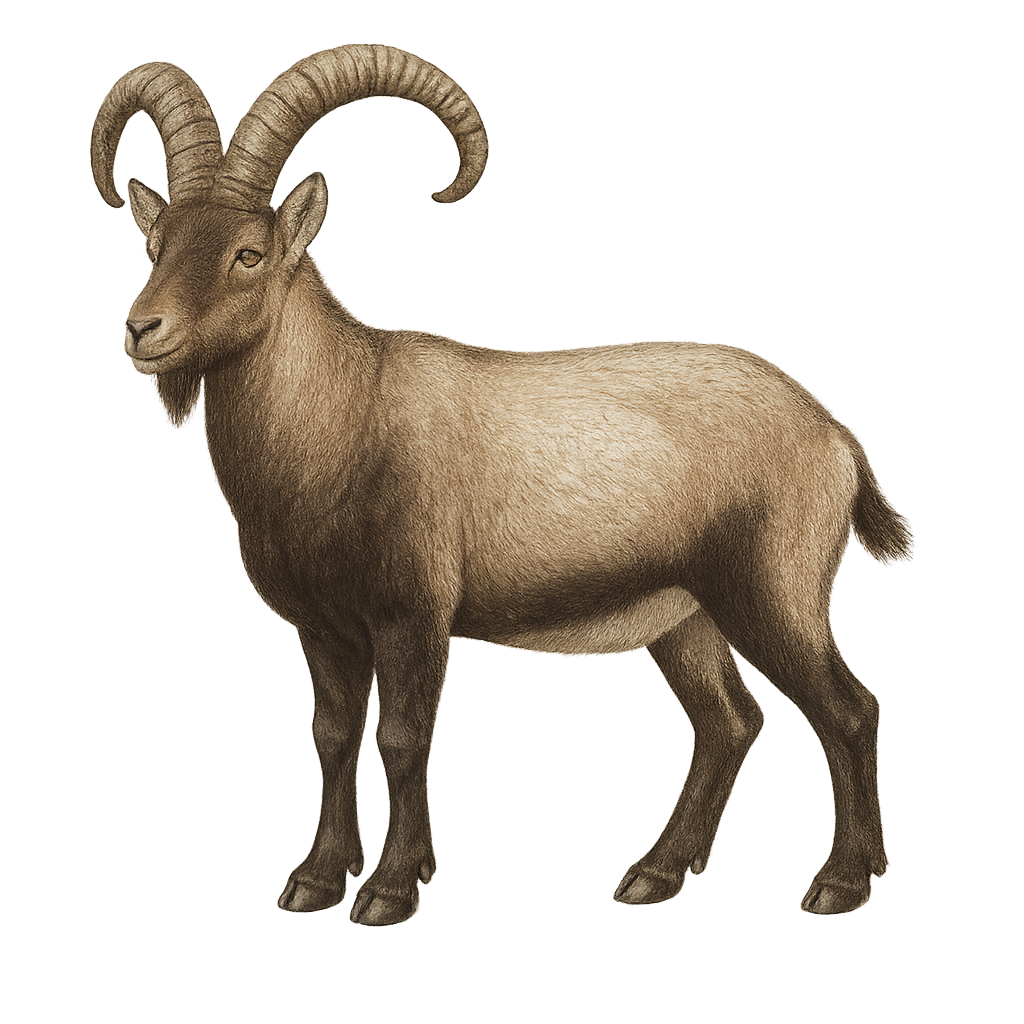
The Pyrenean Ibex, or Capra pyrenaica pyrenaica, was a subspecies of the Iberian ibex once found in the Pyrenees mountains. This robust caprine was adapted to rugged terrains and harsh climates. It had impressive, curved horns, characteristic of males, while females had smaller horns. Its coat varied from brown to gray, providing effective camouflage in its rocky habitat. Unfortunately, this subspecies became extinct in 2000, due to excessive hunting and habitat degradation. Cloning efforts were made to bring it back to life, but without lasting success. Its extinction highlights the importance of species conservation and the protection of natural habitats.
Recommended lens:
400 mm – adjust based on distance, desired framing (portrait or habitat), and approach conditions.
Photography tips:
To photograph the Pyrenean Ibex, it is essential to respect the 50 m safety distance to avoid disturbing other species present in its former habitat. Use a telephoto lens of 400 mm or more to capture detailed images without getting too close. The best times to photograph are early in the morning or late in the afternoon when the light is soft and the animals are more active. Be patient and discreet to observe the natural behaviors of the animals.
From knowledge to field practice
A species profile helps you understand an animal. In the field, the challenge is often different. Remembering your own observations.
The WildlifePhotographer app allows you to:
• record your personal observations
• note locations, dates, and behaviors
• revisit your field references over time
• build a private and long-term field logbook
The app does not provide observation locations.
It helps you organize what you actually observe, with respect for wildlife.