
Your wildlife photography guide.
Explore the southern pudu in detail, study its behavior, prepare your shots.
Where to observe and photograph the southern pudu in the wild
Learn where and when to spot the southern pudu in the wild, how to identify the species based on distinctive features, and what natural environments it inhabits. The WildlifePhotographer app offers tailored photography tips that reflect the southern pudu’s behavior, helping you capture better wildlife images. Explore the full species profile for key information including description, habitat, active periods, and approach techniques.
Southern pudu
Scientific name: Pudu puda
IUCN Status: Least Concern
Family: CERVIDAE
Group: Mammals
Sensitivity to human approach: Very shy
Minimum approach distance: 20 m
Rut period: May to June
Gestation: 200-210 jours
Births: November to December
Habitat:
Temperate South American forests, shrubby and mountainous areas
Activity period :
Crépusculaire crepuscular dämmerungsaktiv crepuscular
Identification and description:
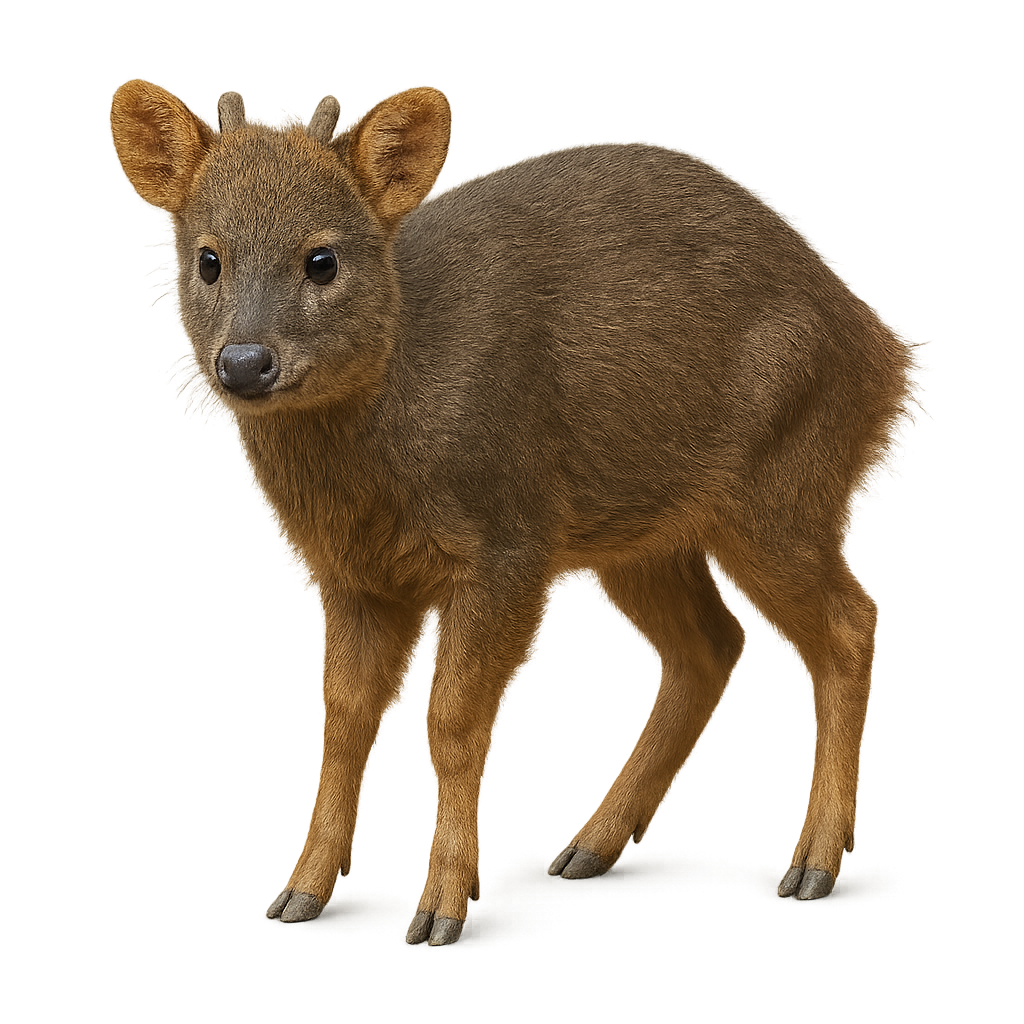
The southern pudu is the world's smallest deer, measuring 35–45 cm at the shoulder and weighing 7–10 kg, with dense reddish-brown fur. A secretive and crepuscular species of temperate South American forests, it feeds mainly on leaves, fungi and fallen fruits. During the rutting period, males mark a small territory by rubbing against shrubs and emitting soft calls.
Recommended lens:
300 mm – adjust based on distance, desired framing (portrait or habitat), and approach conditions.
Photography tips:
Position yourself discreetly near a clearing or waterhole, remain still and photograph at dawn or dusk when the animal is most active. Use a fast shutter speed and shallow depth of field to isolate the subject.
From knowledge to field practice
A species profile helps you understand an animal. In the field, the challenge is often different. Remembering your own observations.
The WildlifePhotographer app allows you to:
• record your personal observations
• note locations, dates, and behaviors
• revisit your field references over time
• build a private and long-term field logbook
The app does not provide observation locations.
It helps you organize what you actually observe, with respect for wildlife.