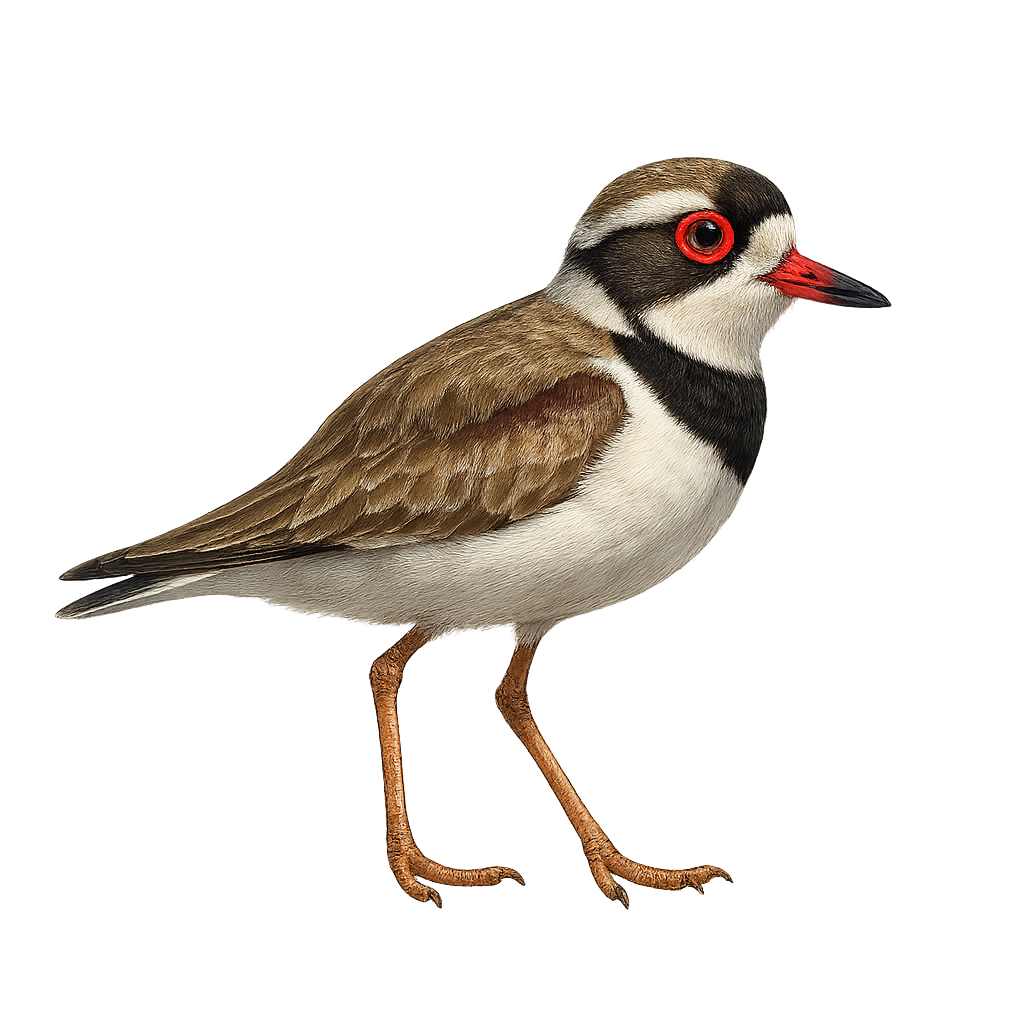
The Hooded Plover, or Thinornis melanops, is a coastal bird endemic to Australia, easily recognizable by its distinctive plumage. It features a black hood contrasting with its white belly and grey back. This bird prefers sandy beaches and dunes for nesting, making it vulnerable to human disturbances and introduced predators. Its modest size, about 20 cm long, and discreet behavior make it difficult to spot. The Hooded Plover is a threatened species, mainly due to habitat loss and human activities. Conservation efforts focus on protecting its nesting sites and raising public awareness of its precarious status.
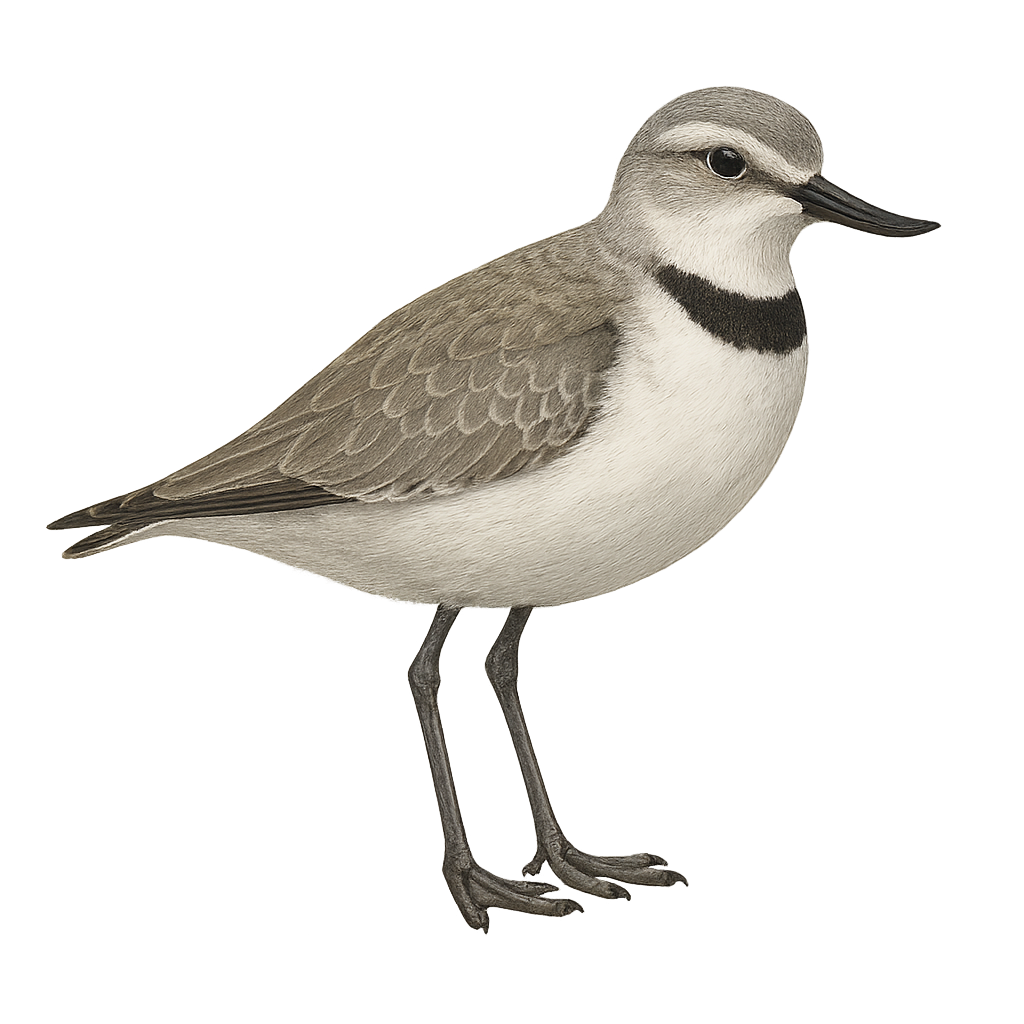
The Wrybill, scientifically known as Anarhynchus frontalis, is an endemic bird of New Zealand. It is unique among birds for its bill, which curves to the right, an adaptation that allows it to efficiently probe river gravels for food, primarily aquatic insects and larvae. This medium-sized bird, measuring about 20 cm in length, has grey plumage on its back and white on its belly, with a distinctive black band on its forehead. It primarily inhabits riverbeds and estuaries, where it nests and breeds. Although its population is stable, it is considered vulnerable due to habitat loss and introduced predators.
The Grey Plover is a coastal bird primarily found along beaches and sandy areas in Europe, North Africa, Asia, and North America. It measures about 25 to 30 cm in length, with a wingspan of 60 to 70 cm, and weighs between 100 and 150 g. Its plumage is mainly silver-gray on the back with a white belly, and its wings are marked with black spots. During the breeding season, the Grey Plover displays brighter colors, with black plumage on the chest and head. It primarily feeds on marine worms, insects, and small crustaceans found in the sand, often near the high tide line. While its population remains relatively stable, this species can be threatened by habitat loss, pollution, and human disturbances at its breeding sites.
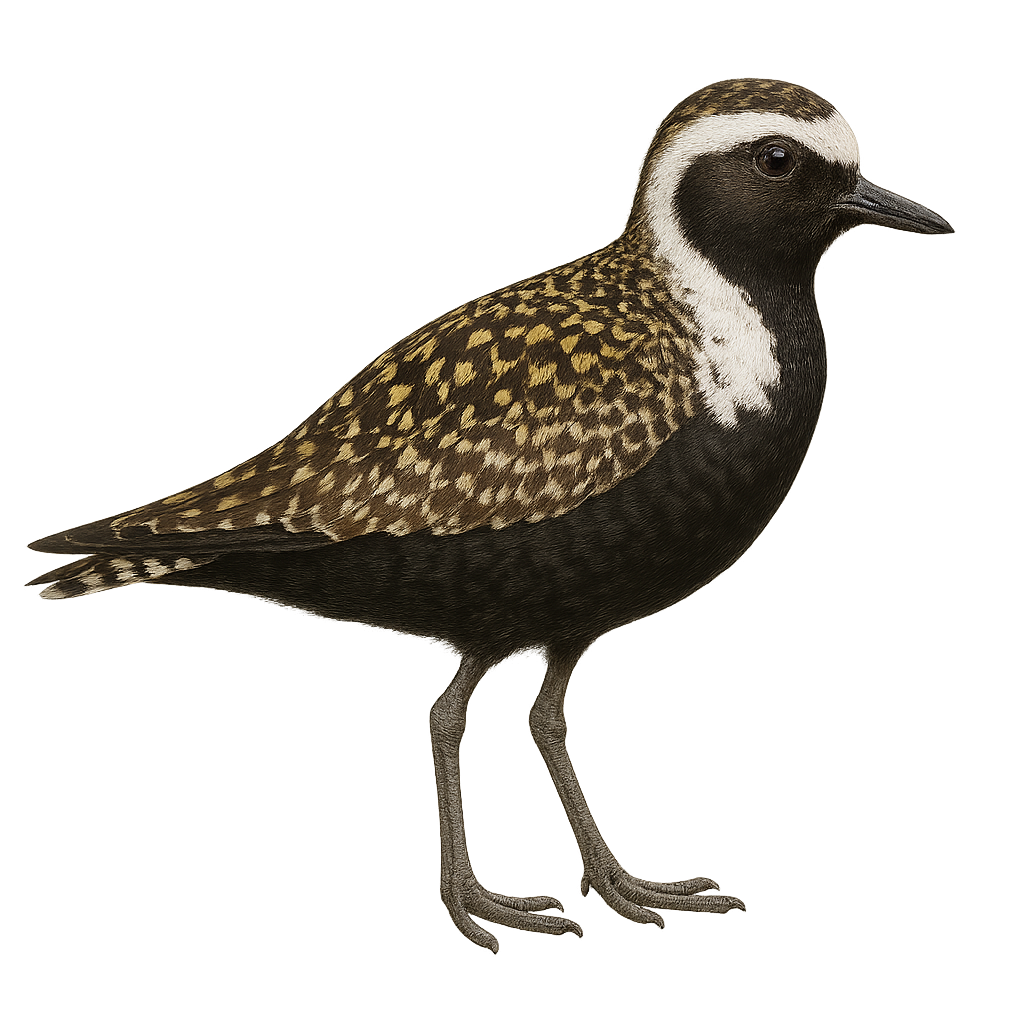
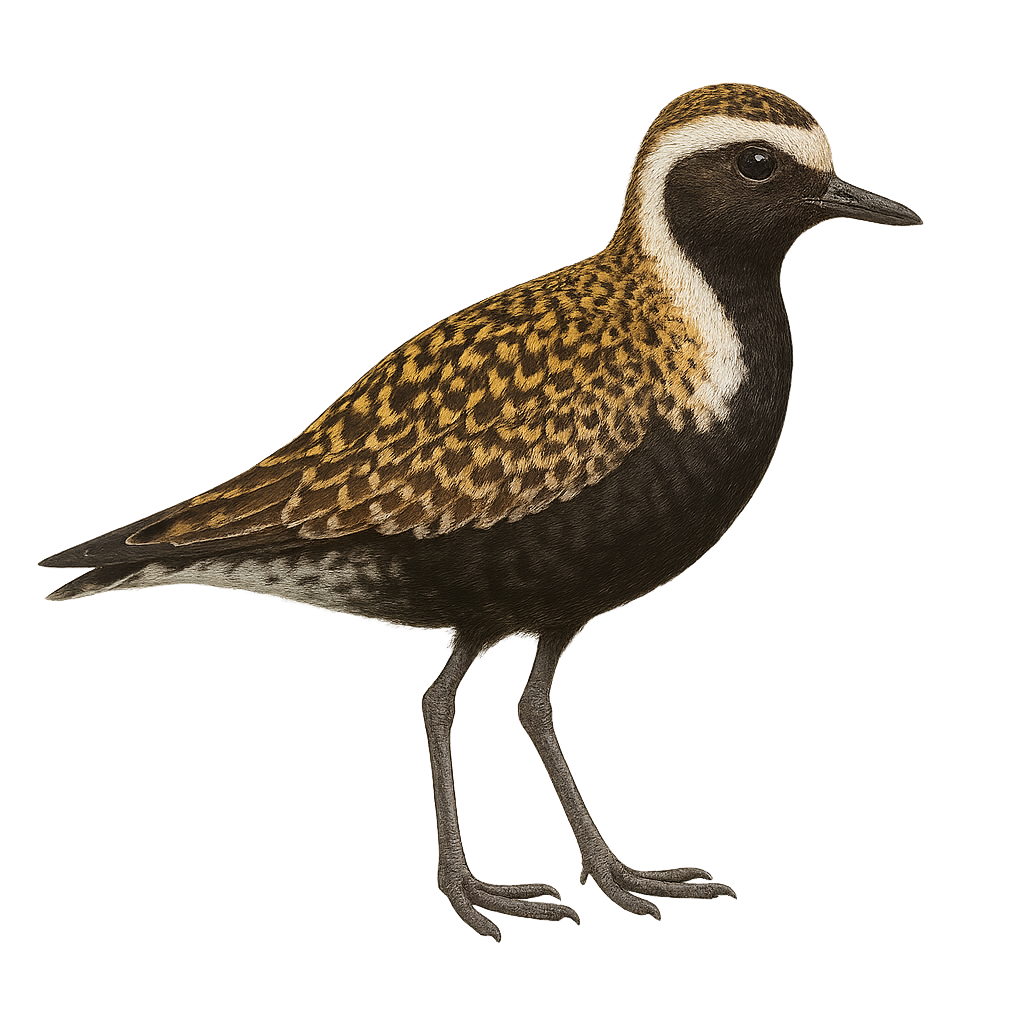
The American Golden Plover, Pluvialis dominica, is a medium-sized migratory bird belonging to the Charadriidae family. It is characterized by its golden, speckled plumage, which provides excellent camouflage in its natural habitat. During the breeding season, the male displays a striking black breast contrasting with its golden back. This bird is renowned for its long migrations, traveling thousands of kilometers between its breeding grounds in North America and its wintering areas in South America. It primarily inhabits open grasslands, fields, and muddy shores. Its diet mainly consists of insects, worms, and small crustaceans.
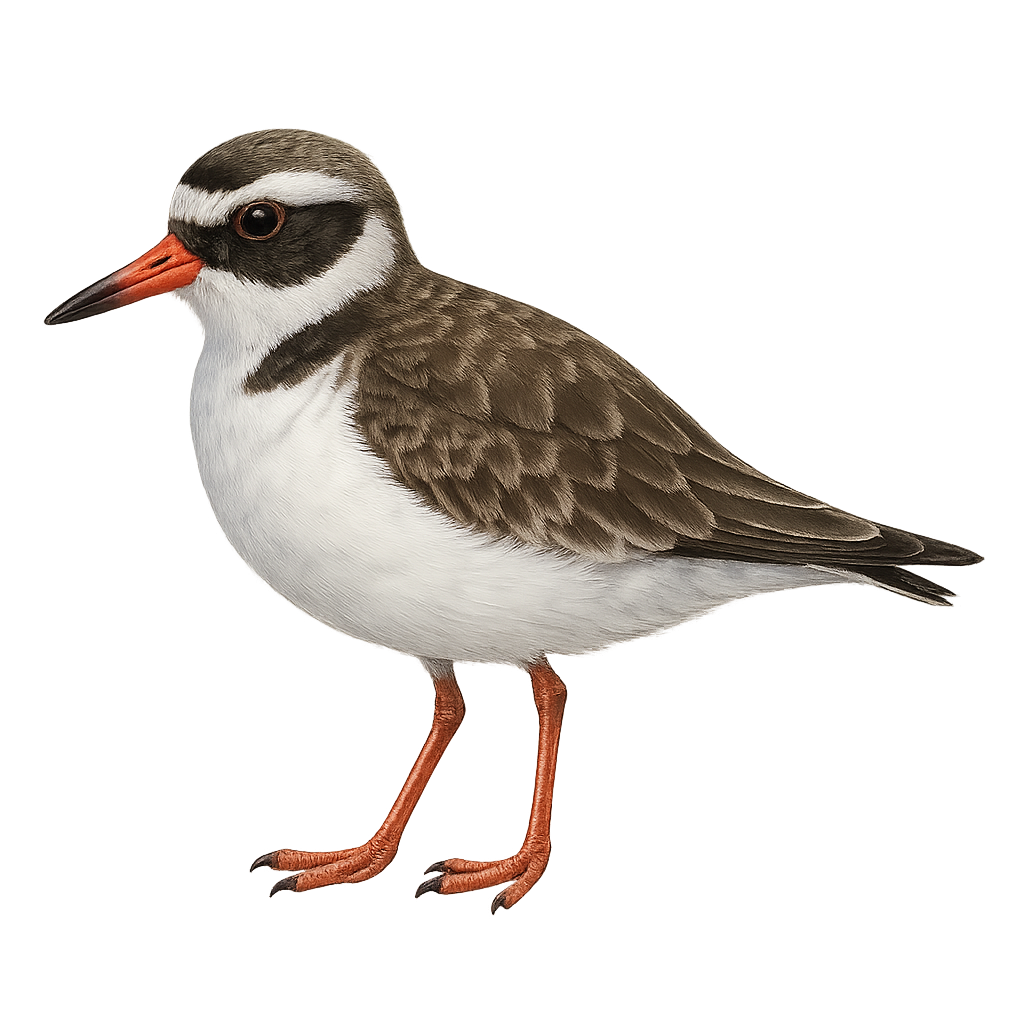
The New Zealand Dotterel is an endemic bird of New Zealand, recognizable by its medium size and light brown plumage with a paler breast. It primarily inhabits sandy beaches and estuaries, where it feeds on small invertebrates. This bird is often seen in small groups, especially outside the breeding season. The New Zealand Dotterel is a threatened species, mainly due to predation by introduced species and habitat loss. Conservation efforts are underway to protect its nesting sites and reduce threats to its survival.
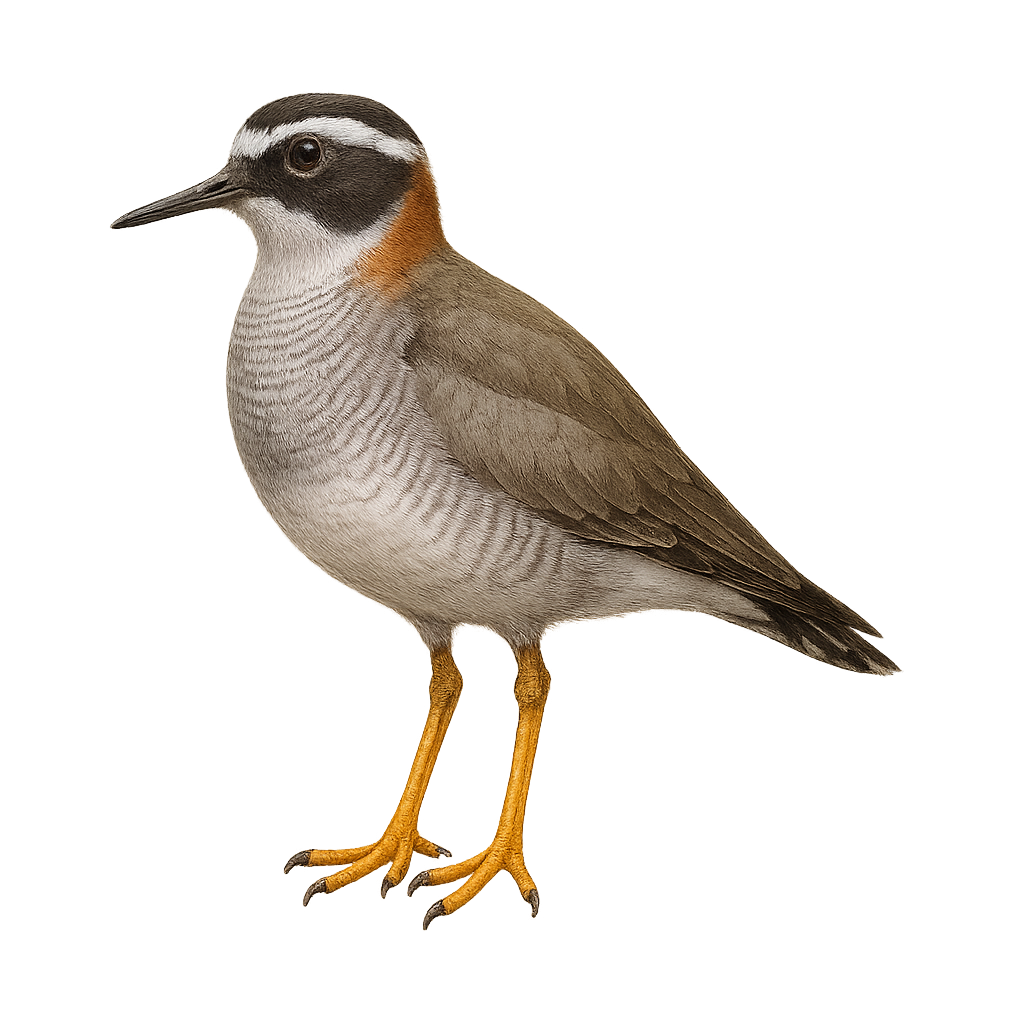
The Diademed Sandpiper-Plover, or Phegornis mitchellii, is a rare and fascinating bird of the Andes, known for its subtle beauty and unique habitat. This small bird, measuring about 16 cm in length, features a grey-brown plumage with a distinctive white band on the forehead and a rufous chest. It primarily inhabits high-altitude wetlands, often above 3000 meters, where it feeds on insects and small invertebrates. Its behavior is generally suspicious, making it difficult to observe. The breeding season is closely linked to the rainy seasons, as food resources become more abundant. Although its conservation status is concerning, efforts are underway to protect its fragile habitat.
The Golden Plover is a migratory bird primarily found in tundra areas, open grasslands, and coastal regions in Europe and Asia, as well as in North America's coastal areas during winter. It measures about 25 to 30 cm in length, with a wingspan of 60 to 70 cm, and weighs between 150 and 250 g. Its plumage is primarily golden and black, with characteristic patterns on the chest and abdomen, and lighter coloring on the underside. During the breeding season, the male displays particularly bright plumage adorned with golden spots. The Golden Plover primarily feeds on small invertebrates, insects, and marine worms, which it finds by probing the ground or walking slowly in search of food. While its population remains stable, it can be threatened by habitat loss and human disturbances, particularly during the breeding period.
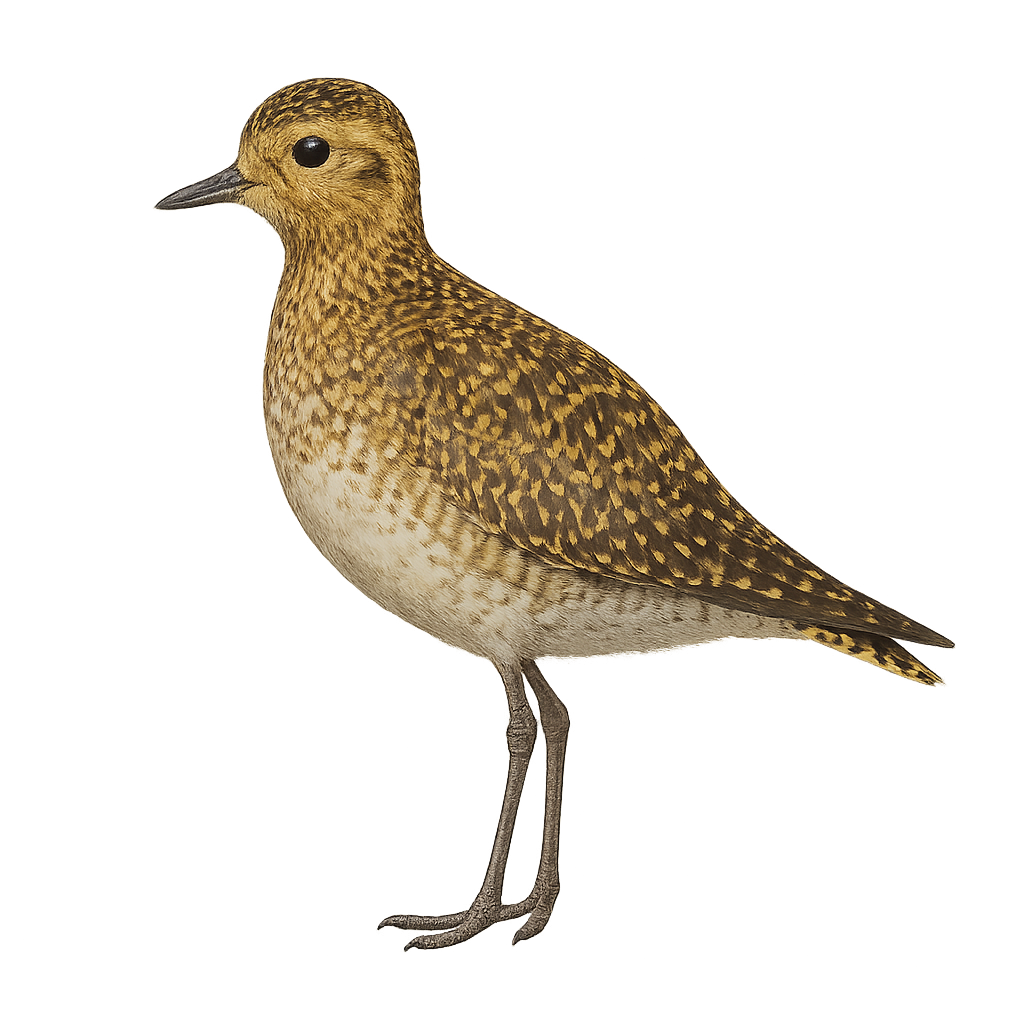
The Pacific Golden Plover, or Pluvialis fulva, is a medium-sized migratory bird belonging to the Charadriidae family. It is known for its striking golden and black plumage during the breeding season, which becomes duller outside this period, aiding in camouflage in open habitats. This bird is primarily found in coastal areas, grasslands, and marshes. A long-distance migrant, it travels thousands of kilometers between its breeding grounds in Siberia and its wintering areas in Oceania and Southeast Asia. Its diet mainly consists of insects, crustaceans, and small invertebrates.
The Eurasian Dotterel is a migratory bird primarily found in tundra areas and alpine meadows of Europe, Central Asia, and northern China. It measures about 25 cm in length, with a wingspan of 55 to 60 cm, and weighs between 100 and 150 g. Its plumage is primarily brown, with lighter underparts and white spots on the wings. It has a brown head with distinctive black patterns around the eyes and on the throat. During the breeding season, males display brighter plumage. The Eurasian Dotterel primarily feeds on small insects, worms, and seeds found on bare soils or in grassy areas. While its population remains relatively stable, this species can be threatened by habitat loss, particularly due to climate change and disturbances at its breeding sites.
The Tawny-throated Dotterel is a medium-sized bird known for its distinctive tawny throat and collar. It primarily inhabits open grasslands and wetlands in South America, especially in Argentina, Chile, and Uruguay. Often seen in small groups, this bird feeds on insects and small invertebrates. Its ability to blend into its surroundings can make it difficult to spot. Although primarily terrestrial, it can fly short distances to escape predators. The breeding season varies by region but is generally influenced by local climatic conditions.
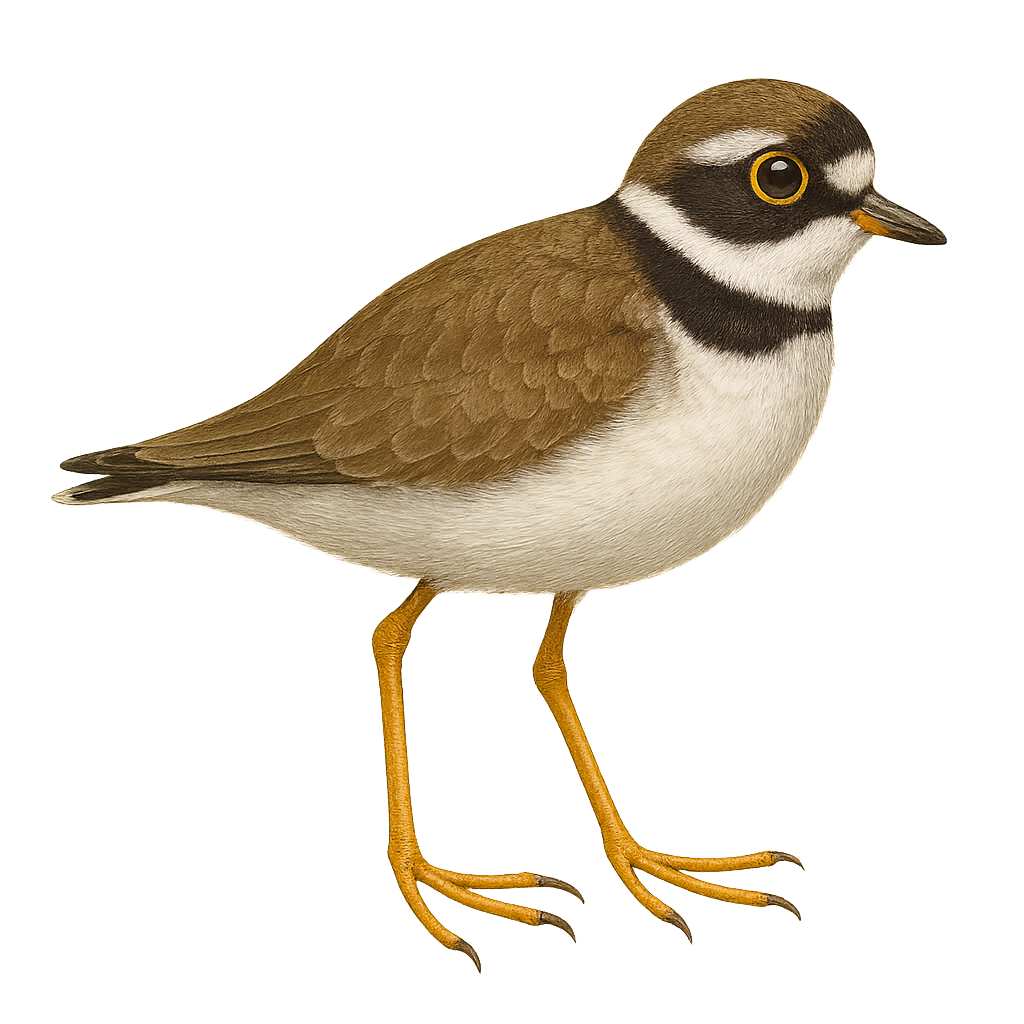
The Semipalmated Plover, Charadrius semipalmatus, is a small shorebird recognized by its brown back and white belly, with a distinctive black band across its chest. It has a short, orange bill with a black tip and orange legs. It inhabits beaches, mudflats, and sandy shores, feeding primarily on insects, worms, and small crustaceans. A migratory bird, it breeds in the Arctic and winters along the American coasts, from the southern United States to South America. Its call is a soft "chu-weet" often heard in coastal habitats.
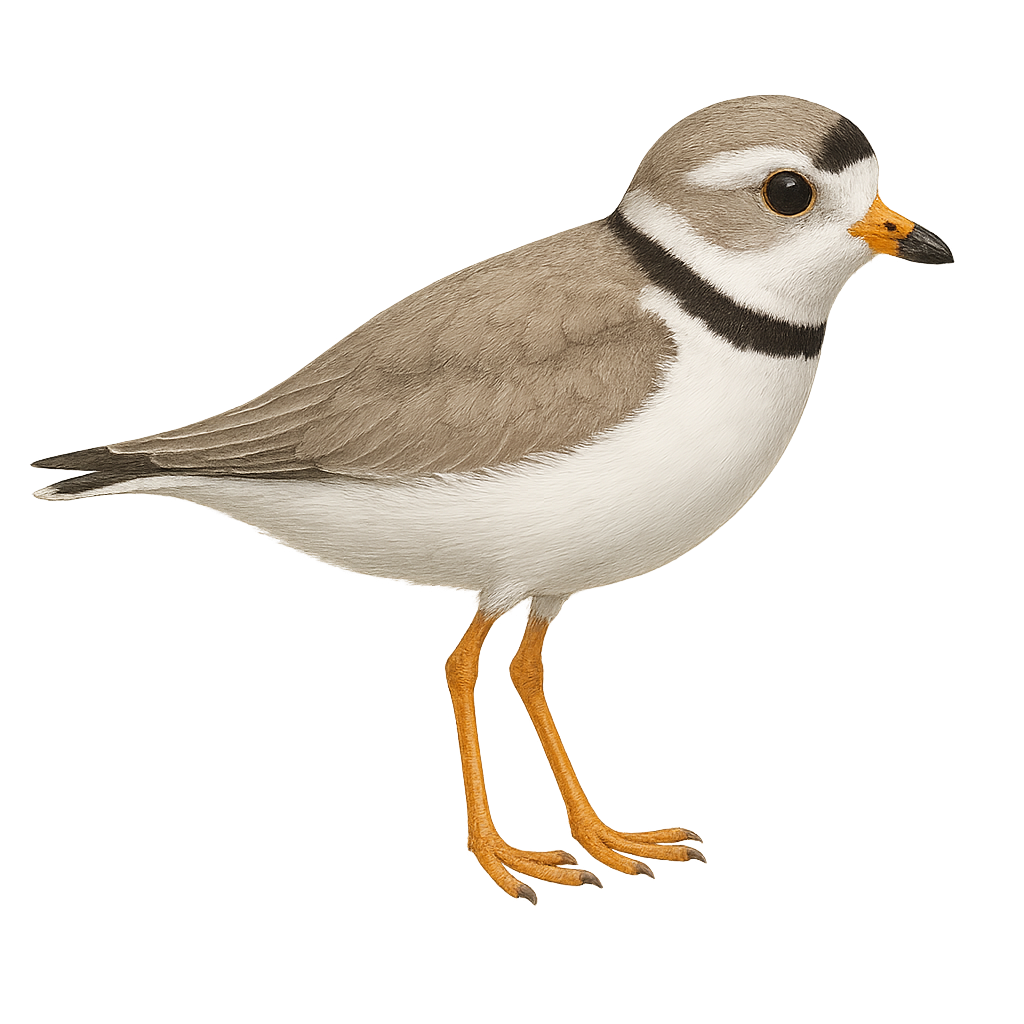
The Piping Plover, Charadrius melodus, is a small coastal bird with pale plumage, primarily white and gray, featuring bright orange legs and a short black bill. Known for its melodious call, it nests on sandy beaches and dunes. This plover is often found along the Atlantic coast and the Great Lakes in North America. Unfortunately, it is threatened by habitat loss and human disturbances, leading to conservation efforts to protect its nesting sites. Adults measure about 17 to 18 cm in length with a wingspan of 35 to 41 cm. Their diet mainly consists of insects and small crustaceans.
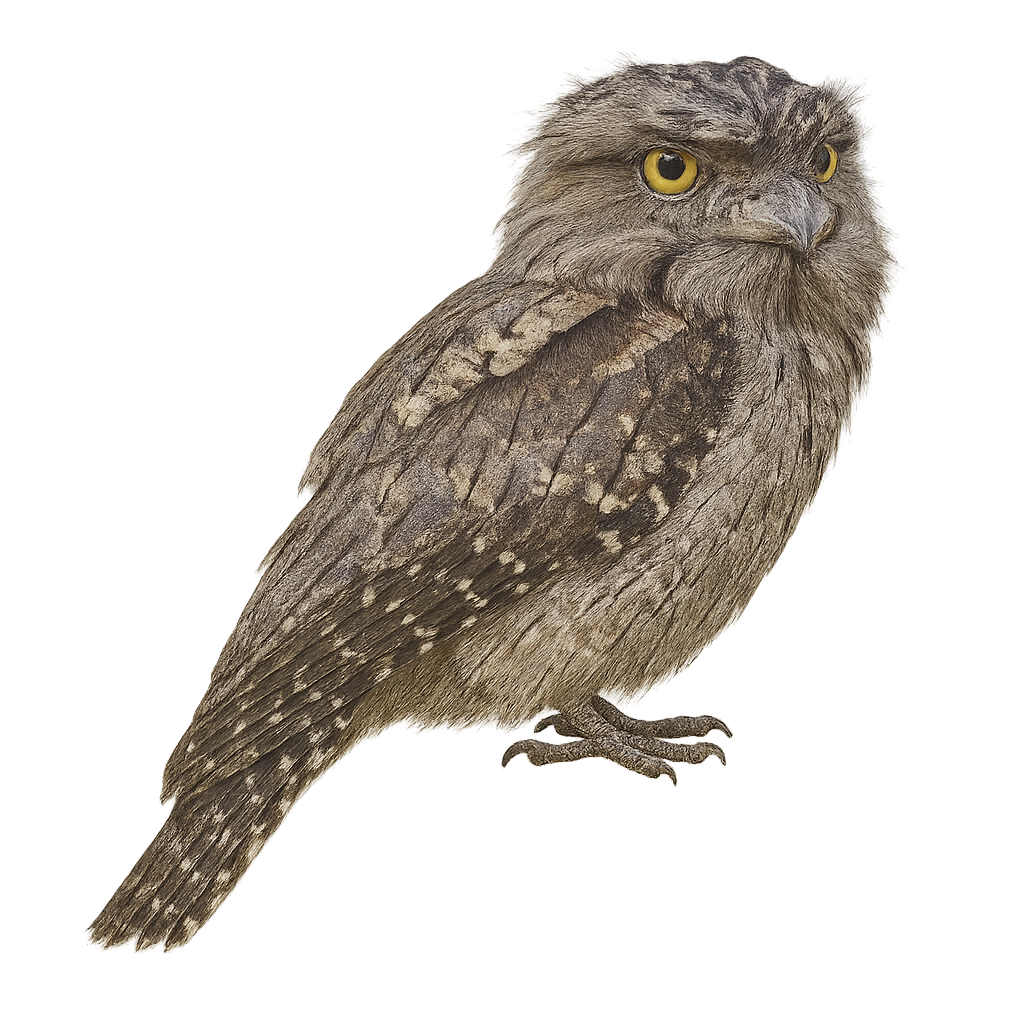
The Tawny Frogmouth, Podargus strigoides, is a nocturnal bird native to Australia, often mistaken for an owl due to its appearance. It has grey-brown plumage that allows it to blend seamlessly into tree bark. Its wide, flat beak is adapted for catching insects and small vertebrates. Unlike owls, its eyes are forward-facing, providing binocular vision. Primarily active at night, it spends its days motionless, camouflaged against tree trunks. The Tawny Frogmouth is monogamous, forming long-lasting pairs. It plays an important ecological role in controlling insect populations.
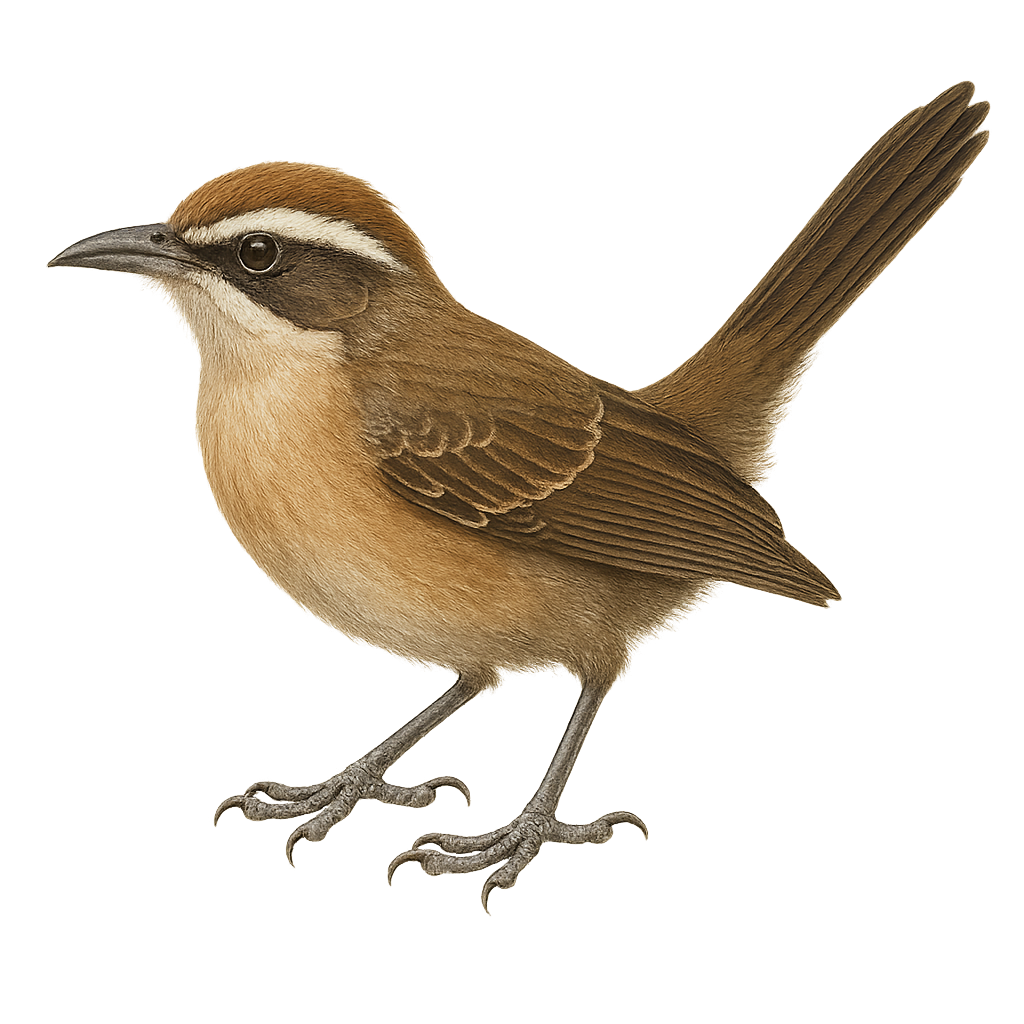
The Chestnut-crowned Babbler is a sociable and gregarious bird, primarily found in Australia. It is characterized by its chestnut-colored head contrasting with its brown body and darker wings. Measuring about 22 cm, it is often seen in noisy groups, moving around in search of food. It mainly feeds on insects, small invertebrates, and occasionally seeds. This bird is known for its elaborate nests, often built in colonies. It prefers arid and semi-arid habitats, such as open woodlands, scrublands, and sparse forests. Although its conservation status is currently of "least concern," habitat degradation could pose a future threat.
The Crestless Porcupine is a large nocturnal mammal primarily found in sub-Saharan Africa, in tropical forests and savannas. It measures between 60 and 80 cm in length, with a tail of 20 to 30 cm, and weighs between 15 and 30 kg. Its fur is primarily made up of rigid, long, sharp quills covering its back, sides, and tail. At the tip of its tail, it has modified quills that produce a distinctive sound when shaken, warning predators of its presence. The Crestless Porcupine is herbivorous and primarily feeds on roots, bark, fruits, and leaves. While its population remains relatively stable, it can be threatened by habitat destruction and hunting.
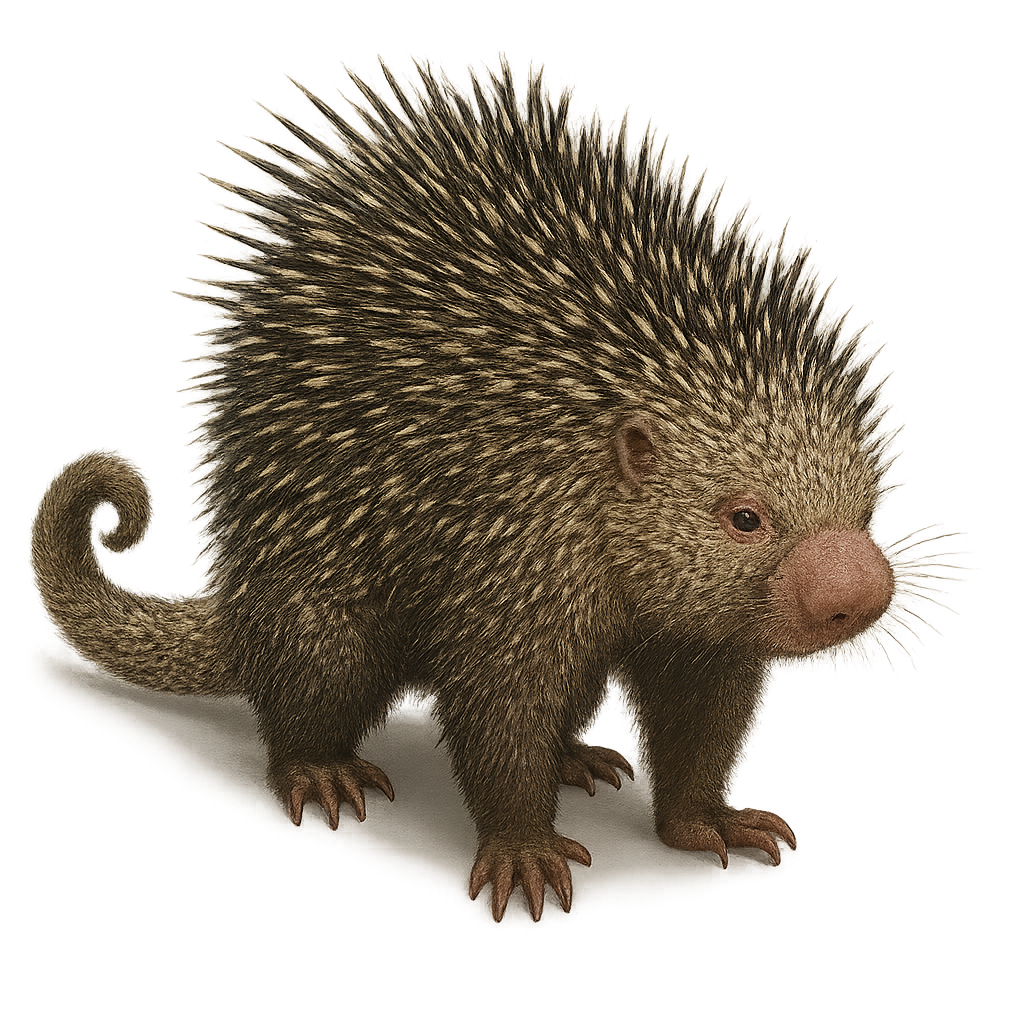
The Coendou prehensilis, or prehensile-tailed porcupine, is an arboreal rodent native to the tropical forests of South America. It is distinguished by its prehensile tail, which allows it to grasp branches, and its quills that protect it from predators. This porcupine measures about 30 to 60 cm in length, not including its tail which can reach 45 cm. Its fur is typically brown or gray, interspersed with white or yellow quills. Nocturnal, it primarily feeds on fruits, leaves, and bark. Although solitary, it can sometimes be seen in small groups. Its ability to move easily through trees makes it an essential inhabitant of its ecosystem.
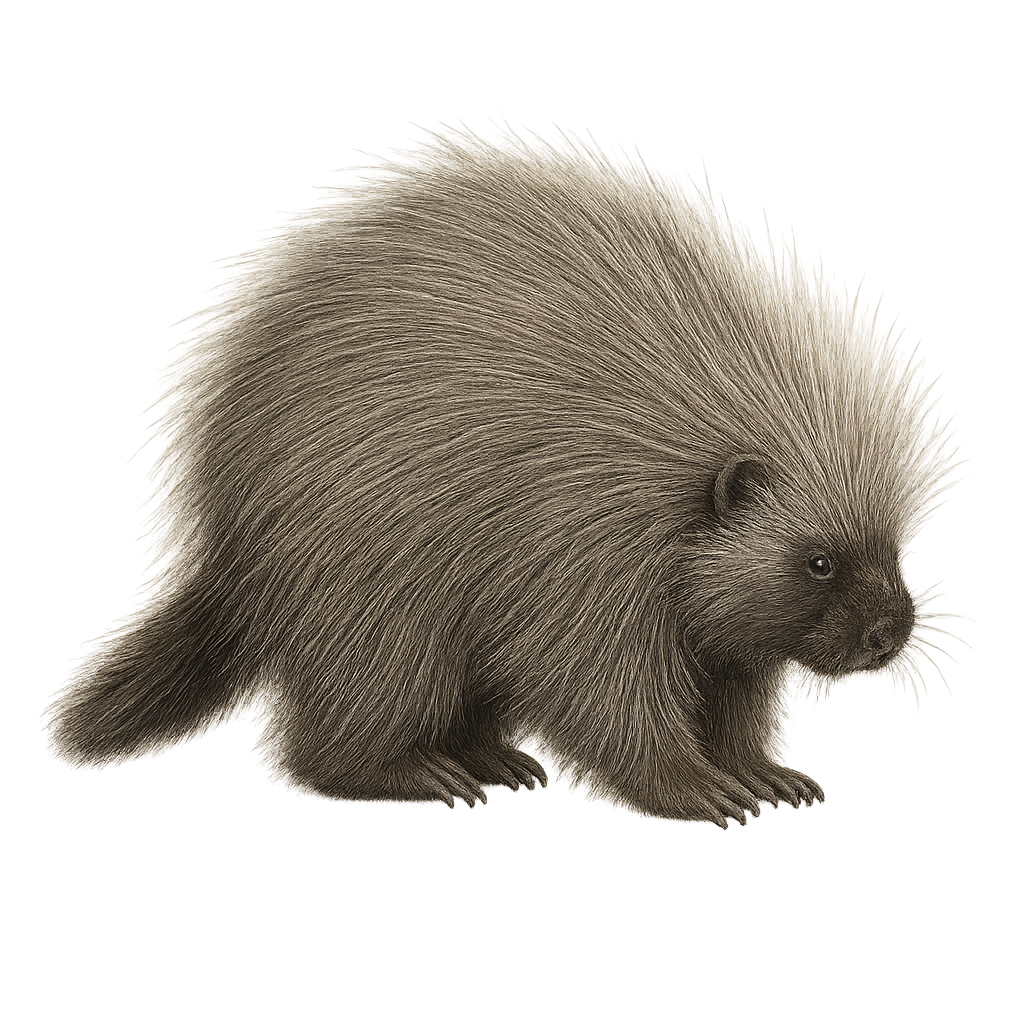
The North American Porcupine, Erethizon dorsatum, is a tree-dwelling rodent known for its sharp quills that protect it from predators. Measuring between 60 and 90 cm long, excluding its 20 to 30 cm tail, it typically weighs between 5 and 14 kg. Its fur is dark brown to black, interspersed with white or yellow quills. These quills, which can reach 7.5 cm, are modified hairs that easily detach to embed in predators' skin. This rodent is primarily nocturnal, feeding on leaves, bark, and fruits. It inhabits the coniferous and mixed forests of North America, from Canada to northern Mexico. Although an agile climber, it also spends considerable time on the ground.
The Cape Porcupine, or Hystrix africaeaustralis, is a striking rodent known for its large size and sharp quills. Native to southern Africa, it is the largest of the African porcupines. Its quills, which can grow up to 50 cm long, serve as a defense against predators. Nocturnal by nature, it spends its days resting in burrows or rocky crevices. An omnivore, it primarily feeds on roots, tubers, and fruits. Although generally solitary, it can live in small family groups. Its lifespan can reach up to 20 years in captivity.
The Indian Porcupine is a large nocturnal mammal primarily found in South Asia, particularly in India, Nepal, Bangladesh, and Sri Lanka. It measures about 60 to 90 cm in length, with a tail of 25 to 30 cm, and weighs between 10 and 20 kg. Its body is covered with long, rigid quills that range from black to white, forming distinct bands along its back. The Indian Porcupine uses its quills as a defense against predators and can easily detach them to throw when threatened. This porcupine is herbivorous, primarily feeding on fruits, roots, bark, and young shoots. While its population remains generally stable, it can be threatened by deforestation, habitat loss, and hunting.
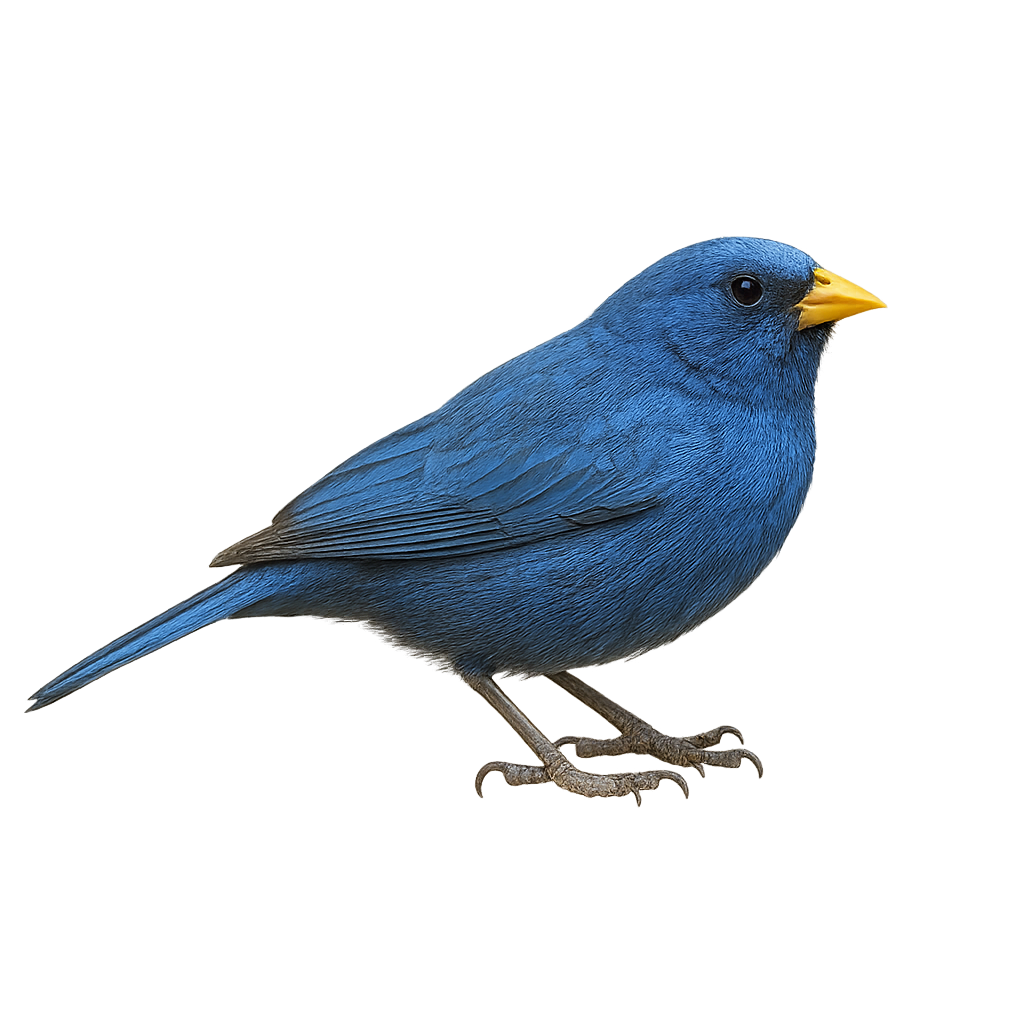
The Blue Finch, or Rhopospina caerulescens, is a medium-sized bird known for its blue-gray plumage and distinctive black beak. It primarily inhabits wooded areas and savannas in South America, particularly in Argentina, Brazil, and Paraguay. This bird is often seen in small groups or pairs, feeding mainly on seeds and insects. Its melodious song is a characteristic feature, used to mark territory and attract a mate. Although not considered threatened, deforestation and habitat loss pose potential threats to its populations.
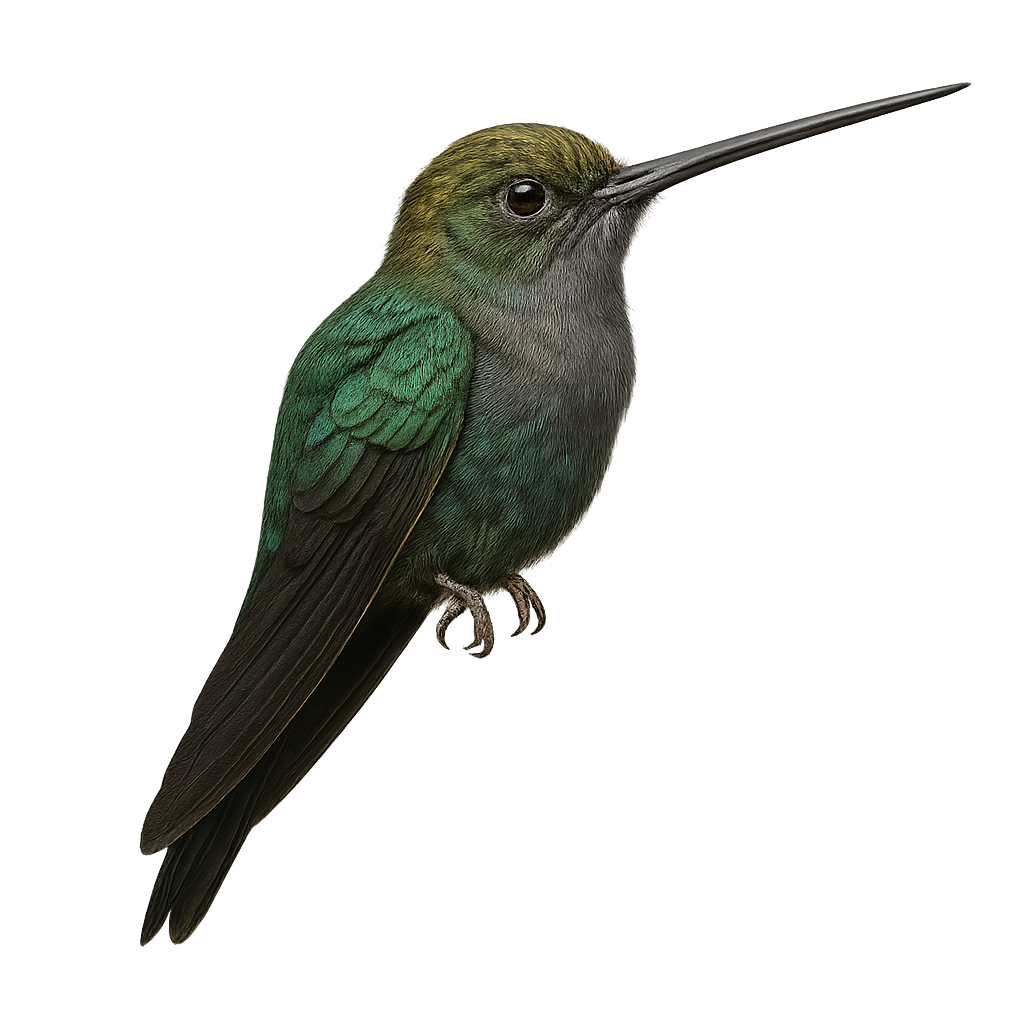
The Green-fronted Lancebill, or Doryfera ludovicae, is a captivating small bird belonging to the Trochilidae family. This hummingbird is noted for its striking plumage, featuring a metallic green head and a body with shades of blue and green. It is primarily found in the humid forests of mountainous regions in Central and South America, where it feeds mainly on nectar, but also on insects caught in flight. Its long, slender bill is perfectly adapted to reach the nectar of tubular flowers. The Green-fronted Lancebill is a diurnal bird, active mainly at dawn and dusk. Although its conservation status is currently assessed as "least concern," deforestation and habitat loss pose potential threats to its population.
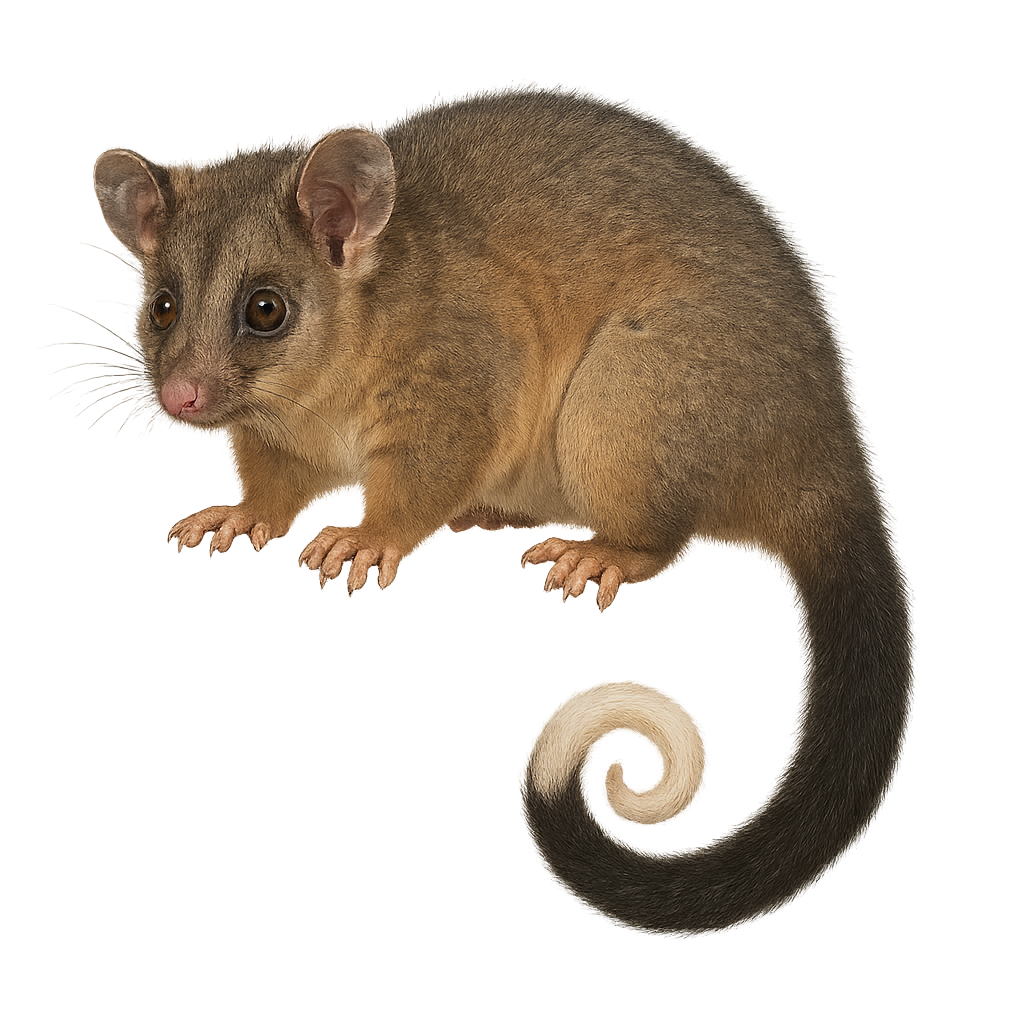
The Common Ringtail Possum, or Pseudocheirus peregrinus, is an arboreal marsupial native to Australia. It is easily recognizable by its prehensile tail, which it uses to navigate through trees. This small nocturnal mammal measures about 30 to 35 cm in length, with a similarly sized tail. Its fur is generally gray with brownish tones, and it has a distinctive white stripe on its belly. It primarily inhabits eucalyptus forests, feeding on leaves, flowers, and fruits. The Common Ringtail Possum is a social animal, often living in small family groups in nests called "dreys".
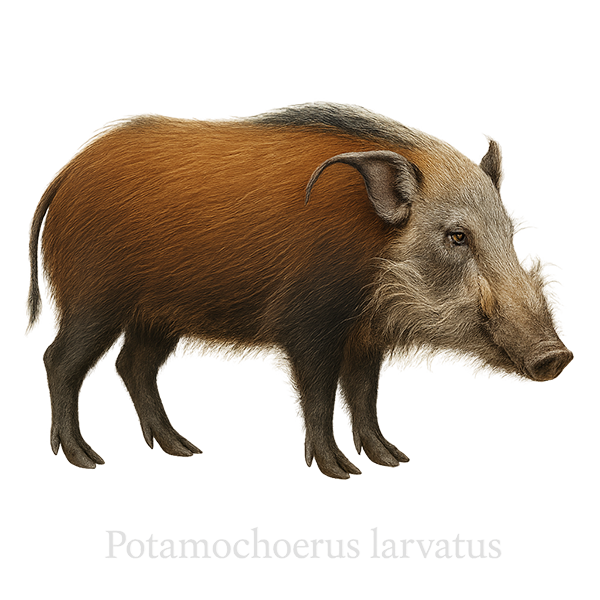
The bushpig, or Potamochoerus larvatus, is a mammal from the Suidae family, recognizable by its long-haired ears. It primarily inhabits forests, savannas, and wetlands in sub-Saharan Africa. This omnivorous suid feeds on roots, fruits, insects, and occasionally small animals. It lives in family groups and is known for its complex social behavior. Bushpigs are mainly nocturnal, making them difficult to observe. Their coat ranges from reddish-brown to black, with distinctive white facial markings. Although hunted for their meat, their population remains stable due to their adaptability.
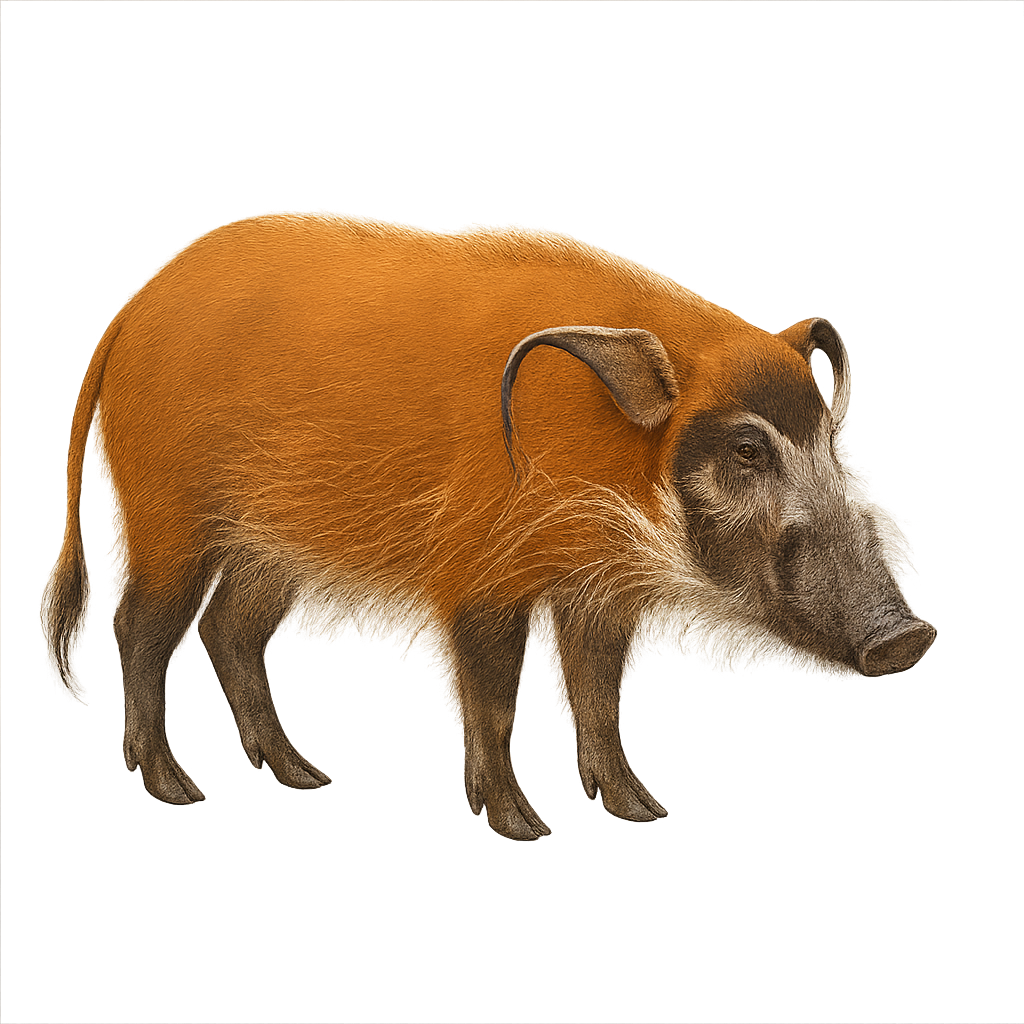
The red river hog is a mammal from the suid family, recognizable by its reddish coat and ears adorned with long white tufts of hair. It is mainly found in the forests of Central and West Africa. This suid is omnivorous, feeding on roots, fruits, small animals, and insects. It lives in family groups led by a dominant male. Red river hogs are known for their ability to swim and navigate aquatic environments. Their behavior is generally suspicious of humans, although they can become accustomed to their presence in protected areas.
The Bonelli's Warbler is a small songbird belonging to the Phylloscopidae family. It is mainly found in southern Europe and northern Africa. This passerine measures about 11 cm in length and weighs between 7 and 9 grams. Its plumage is primarily olive green on the upper parts and white on the underparts, with a distinctive pale wing bar. The song of the Bonelli's Warbler is a rapid, repetitive trill, often heard in oak and pine forests. It feeds mainly on insects and larvae, which it catches by flitting agilely among the branches. A migratory bird, it winters in sub-Saharan Africa before returning to Europe for the breeding season.
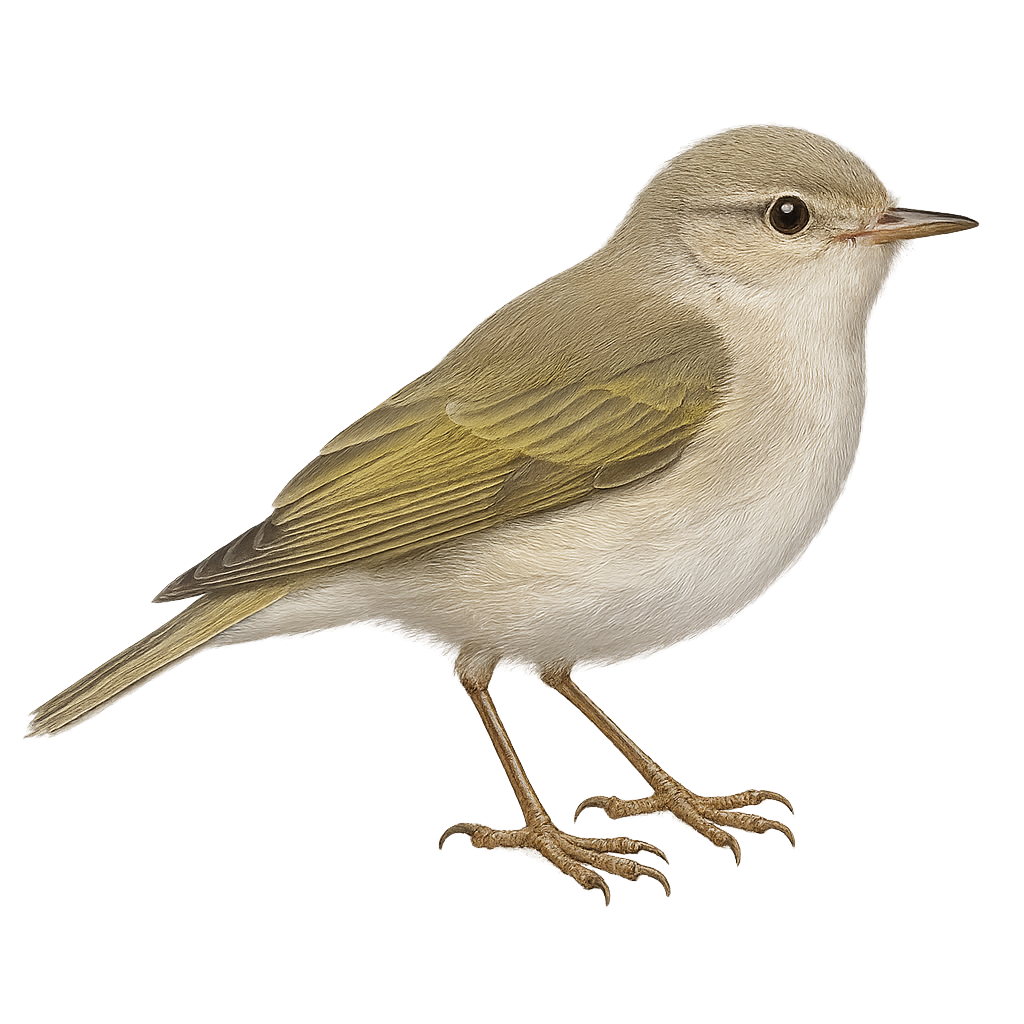
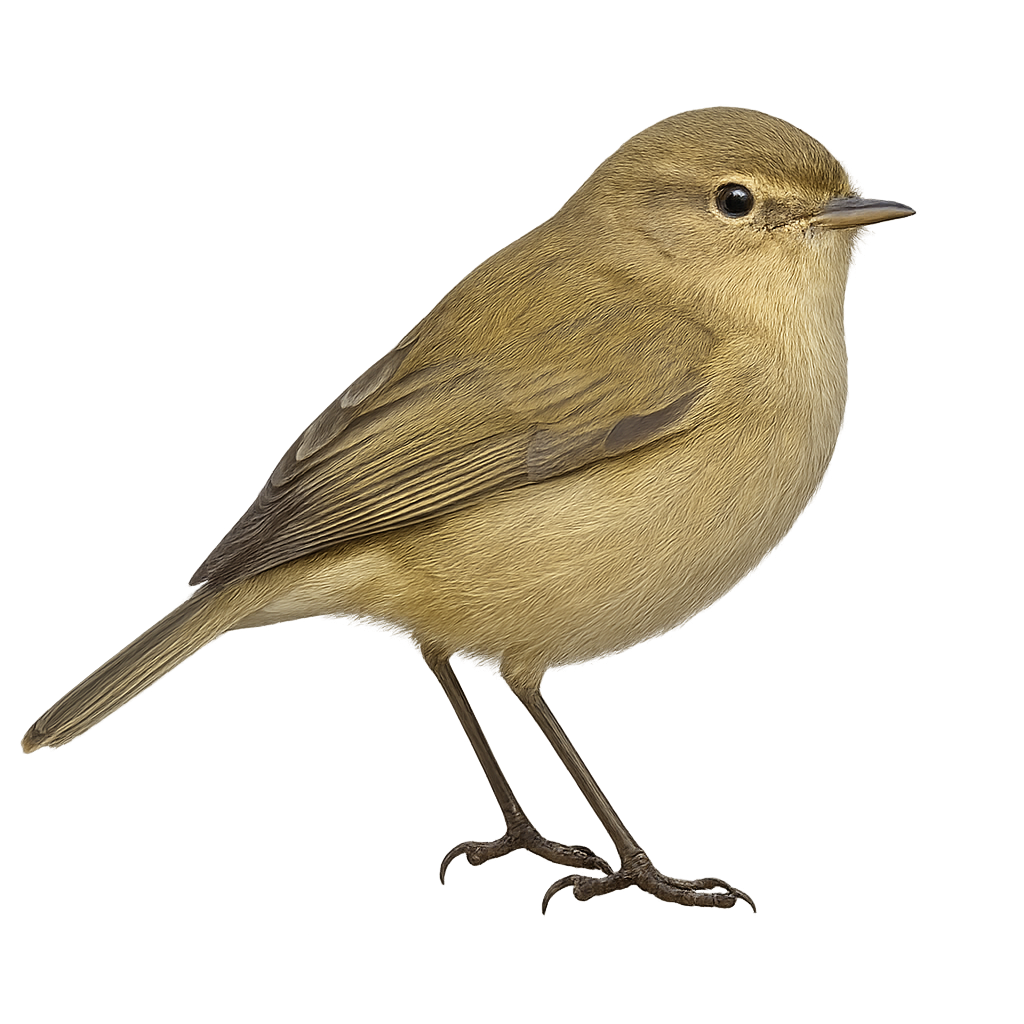
The chiffchaff is a small migratory passerine bird found primarily in clear woods, hedgerows, and gardens across Europe and Asia. It is easily recognized by its greenish plumage and pale belly. This small bird primarily feeds on insects, which it catches by rummaging through vegetation. During the breeding season, it is very active and emits a distinctive song, a series of repetitive notes characteristic of this species.
The wood warbler is a small insectivorous passerine, 11–13 cm long, with greenish-yellow upperparts, whitish underparts and a bright yellow supercilium. A migratory species of open woodlands with sparse undergrowth, it feeds mainly on insects and spiders captured on the wing or among foliage. During breeding, males sing in flight or from perches to defend their territory.
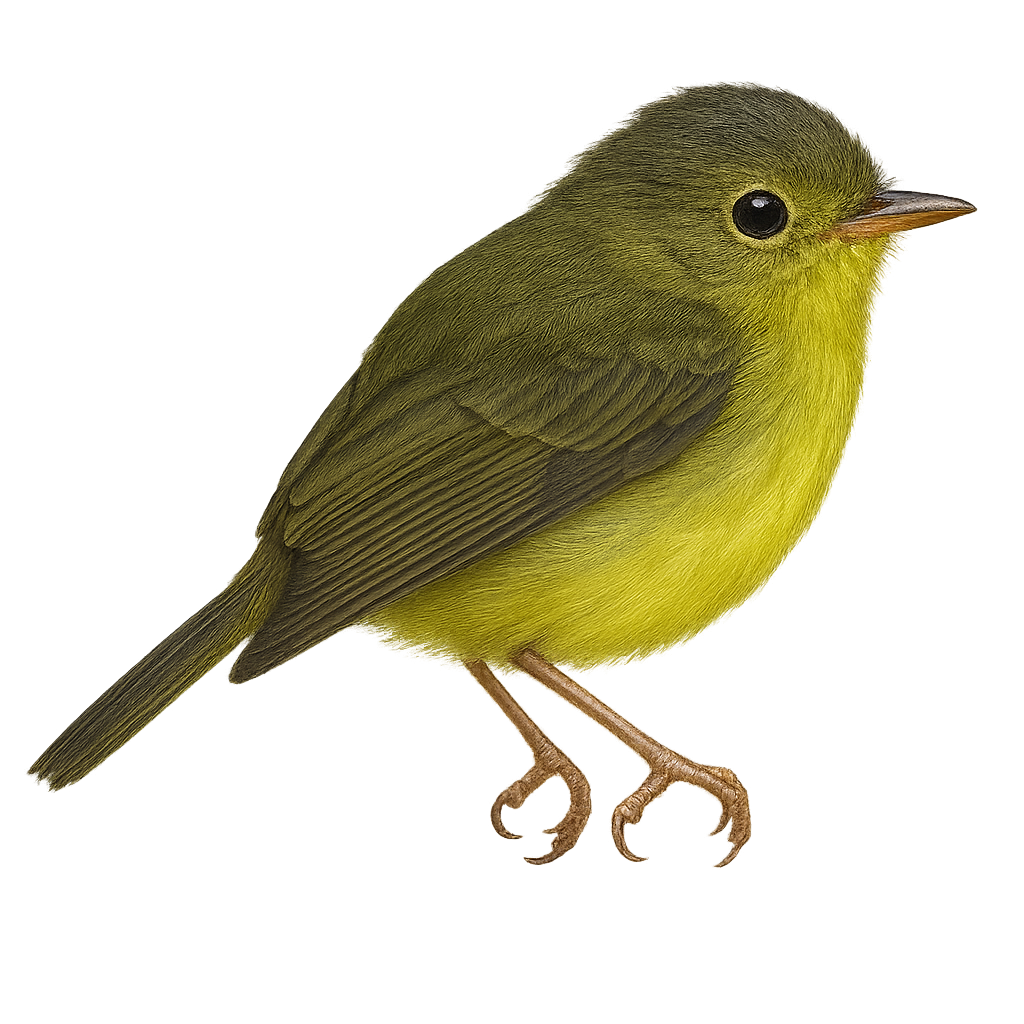
The Hartert's Leaf Warbler, or Phylloscopus soror, is a small passerine bird belonging to the Phylloscopidae family. It is primarily found in the temperate and subtropical forests of East Asia, particularly in China and Vietnam. This warbler is characterized by its olive-green upperparts and lighter underparts, with pale eyebrows and a subtle wing bar. It is often mistaken for other warbler species due to its similar size and inconspicuous plumage. Its song is a rapid and melodious trill, often heard before the bird is visually spotted. It primarily feeds on insects, which it catches in dense foliage.
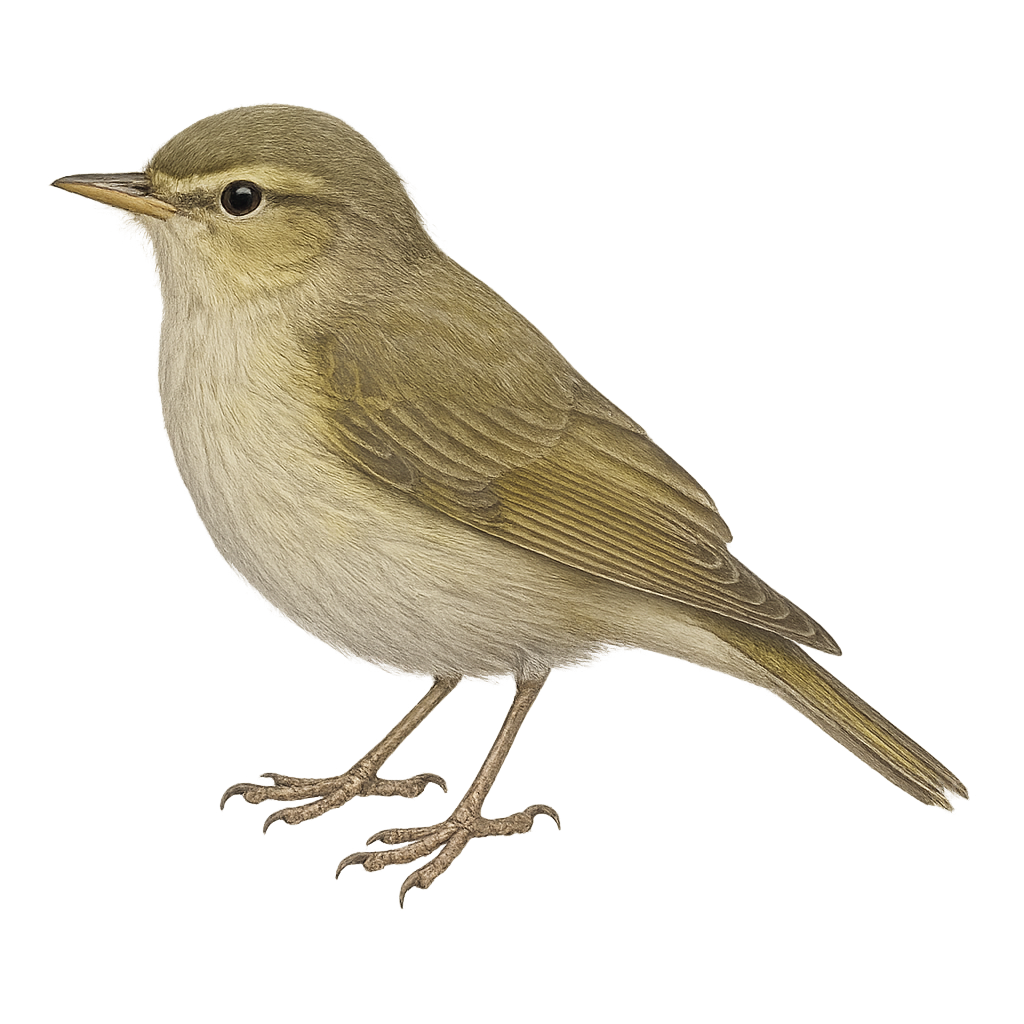
The willow warbler is a small migratory passerine bird found primarily in forests, hedgerows, and bushes across Europe and Asia. It is easily recognizable by its olive-green back and pale yellow belly. This bird is primarily insectivorous, feeding on insects it catches in the vegetation. It is often heard singing in the undergrowth, especially during migration, where it establishes its territory for breeding.
The Greenish Warbler, Phylloscopus trochiloides, is a small insectivorous passerine bird in the Phylloscopidae family. It is primarily olive green on the upper parts with a paler, often whitish or yellowish underside. Its song is melodious and complex, making it easily identifiable during the breeding season. It inhabits coniferous and mixed forests, as well as shrubby areas in mountainous regions. A migratory bird, it winters in South Asia. Its adaptability to various habitats and generally suspicious behavior make it an interesting bird for both amateur and professional ornithologists to observe.