
Your wildlife photography guide.
Explore the viperine snake in detail, study its behavior, prepare your shots.
Where to observe and photograph the viperine snake in the wild
Learn where and when to spot the viperine snake in the wild, how to identify the species based on distinctive features, and what natural environments it inhabits. The WildlifePhotographer app offers tailored photography tips that reflect the viperine snake’s behavior, helping you capture better wildlife images. Explore the full species profile for key information including description, habitat, active periods, and approach techniques.
Viperine snake
Scientific name: Natrix maura
IUCN Status: Least Concern
Family: COLUBRIDAE
Group: Reptiles
Sensitivity to human approach: Suspicious
Minimum approach distance: 30 m
Reproduction period: April to June
Incubation: 2-26 œufs
Births: April to June
Habitat:
Humid environments: rivers, ponds, lakes
Activity period :
Active during the day when temperatures are favorable, often seen basking in the sun.
Identification and description:
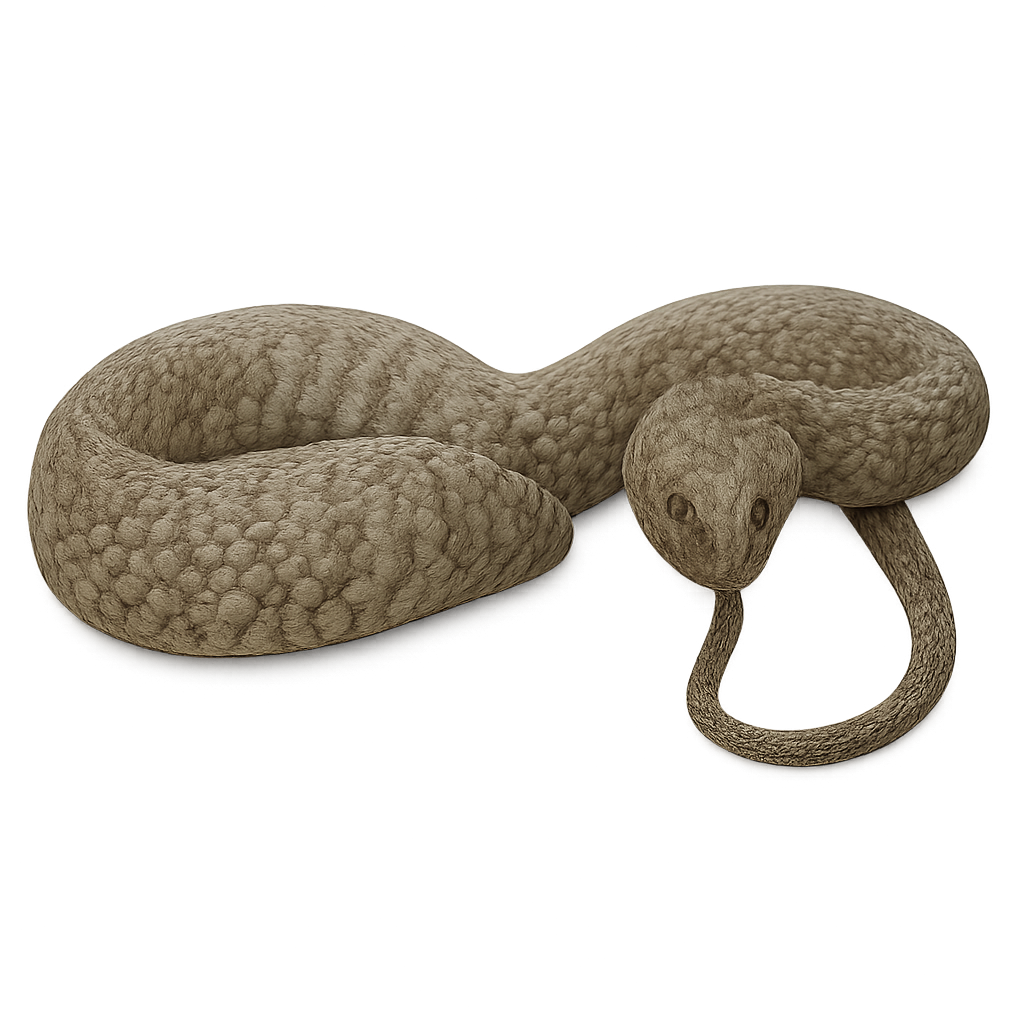
The Viperine snake is a non-venomous semi-aquatic snake, typically measuring between 50 and 90 cm, with a distinct head and round pupils. Its back features a dark zigzag pattern on a gray, brown, or greenish background, and its belly is yellow or reddish with black spots. It inhabits humid environments such as rivers, ponds, and lakes, where it primarily hunts fish, amphibians, and tadpoles. Reproduction occurs in spring, with 2 to 26 eggs laid in loose soil. This species is protected in Europe and is listed as Least Concern by the IUCN.
Recommended lens:
400 mm – adjust based on distance, desired framing (portrait or habitat), and approach conditions.
Photography tips:
Use a telephoto lens to photograph the Viperine snake, especially during its movements in aquatic environments. Favor soft morning or evening light to capture the details of its coloration. Be patient and discreet to observe its natural behaviors.
From knowledge to field practice
A species profile helps you understand an animal. In the field, the challenge is often different. Remembering your own observations.
The WildlifePhotographer app allows you to:
• record your personal observations
• note locations, dates, and behaviors
• revisit your field references over time
• build a private and long-term field logbook
The app does not provide observation locations.
It helps you organize what you actually observe, with respect for wildlife.