
Your wildlife photography guide.
Explore the darwin's frog in detail, study its behavior, prepare your shots.
Where to observe and photograph the darwin's frog in the wild
Learn where and when to spot the darwin's frog in the wild, how to identify the species based on distinctive features, and what natural environments it inhabits. The WildlifePhotographer app offers tailored photography tips that reflect the darwin's frog’s behavior, helping you capture better wildlife images. Explore the full species profile for key information including description, habitat, active periods, and approach techniques.
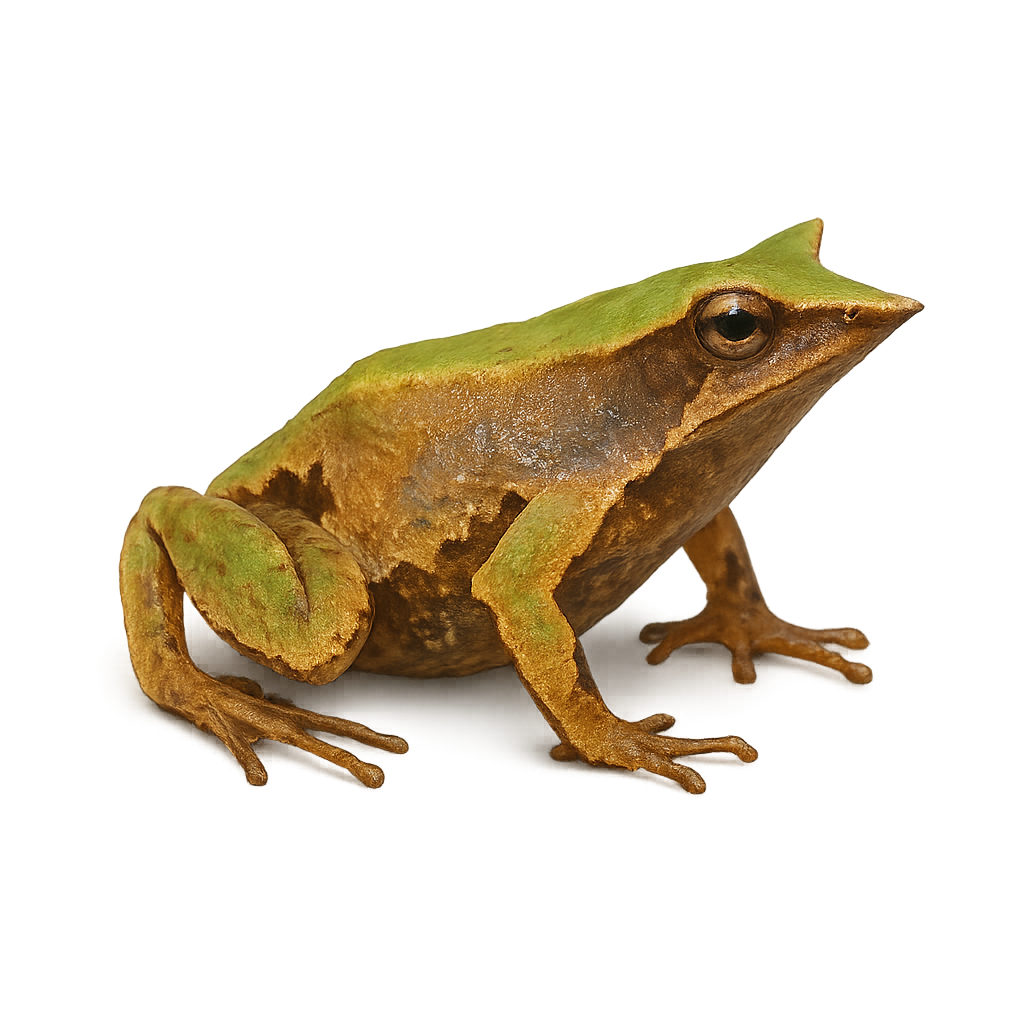
Darwin's frog
Scientific name: Rhinoderma darwinii
IUCN Status: Vulnerable
Family: HYLIDAE
Group: Amphibians
Sensitivity to human approach: Suspicious
Minimum approach distance: 10 m
Reproduction period: January to December
Incubation: 30-40 jours
Births: January to December
Habitat:
Temperate forests
Activity period :
Primarily active during the day, with peak activity in the morning and late afternoon.
Identification and description:
Darwin's frog is a unique species discovered in Chile and Argentina, famous for its unusual reproductive behavior. After fertilization, males carry the eggs in their mouths until the tadpoles develop into small frogs. They are small in size, brown or green in color, and live in temperate forests, feeding on insects and small invertebrates. The species is threatened by habitat loss and pollution.
Recommended lens:
Macro – adjust based on distance, desired framing (portrait or habitat), and approach conditions.
Photography tips:
Photograph Darwin's frog using a macro lens to capture its fine details, especially its colors and interesting behaviors related to reproduction. It is best to photograph it when it is perched on vegetation or rocks. Be discreet, as while it is relatively calm, it can be easily disturbed by human presence.
From knowledge to field practice
A species profile helps you understand an animal. In the field, the challenge is often different. Remembering your own observations.
The WildlifePhotographer app allows you to:
• record your personal observations
• note locations, dates, and behaviors
• revisit your field references over time
• build a private and long-term field logbook
The app does not provide observation locations.
It helps you organize what you actually observe, with respect for wildlife.