
Your wildlife photography guide.
Explore the corsican salamander in detail, study its behavior, prepare your shots.
Where to observe and photograph the corsican salamander in the wild
Learn where and when to spot the corsican salamander in the wild, how to identify the species based on distinctive features, and what natural environments it inhabits. The WildlifePhotographer app offers tailored photography tips that reflect the corsican salamander’s behavior, helping you capture better wildlife images. Explore the full species profile for key information including description, habitat, active periods, and approach techniques.
Corsican Salamander
Scientific name: Salamandra corsica
IUCN Status: Least Concern
Family: SALAMANDRIDAE
Group: Amphibians
Sensitivity to human approach: Suspicious
Minimum approach distance: 3 m
Reproduction period: September to November
Incubation: 7–9 mois
Births: April to May
Habitat:
oak forests, pine forests, rocky areas
Activity period :
Mainly active at night, generally discreet during the day.
Identification and description:
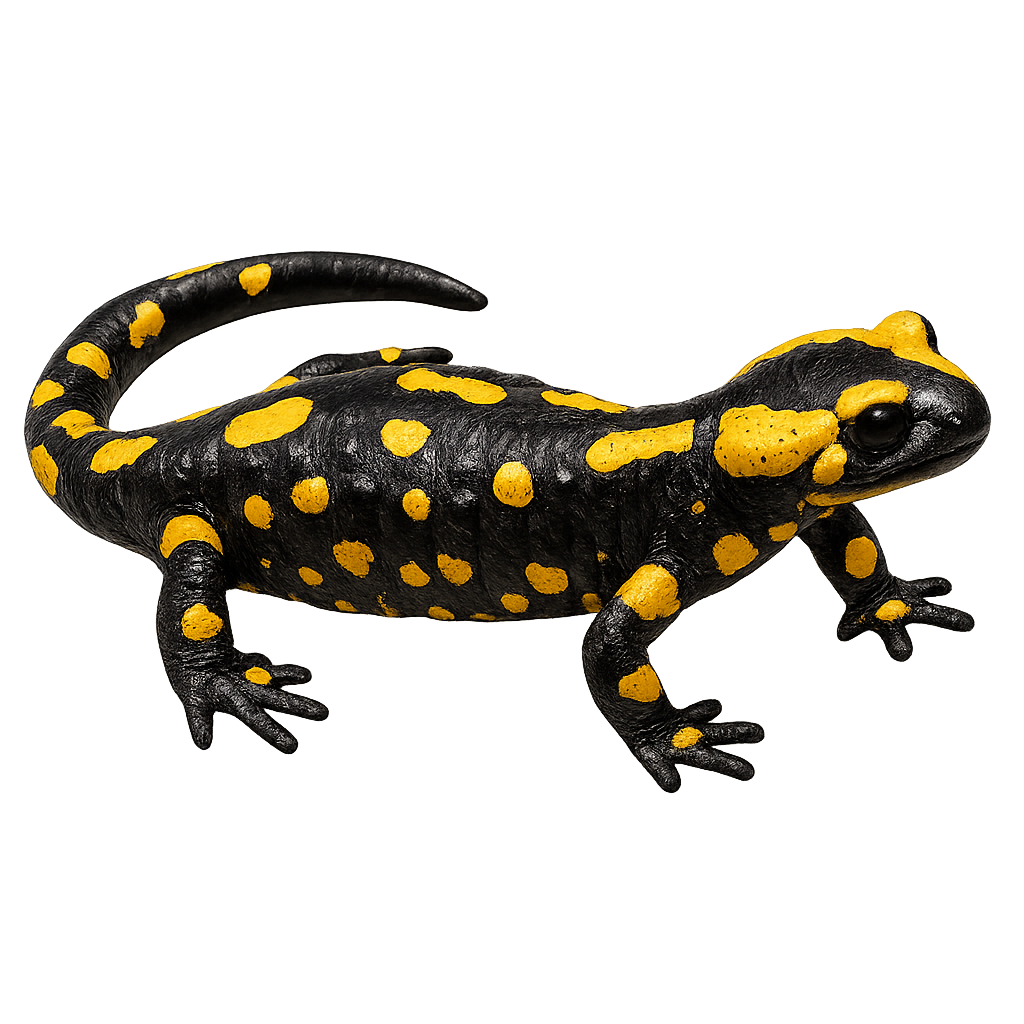
The Corsican Salamander, or Salamandra corsica, is an amphibian endemic to the island of Corsica. It is characterized by its black skin adorned with irregular yellow spots, a pattern that varies among individuals. This salamander prefers humid and shaded habitats, such as oak and pine forests, as well as rocky areas near watercourses. It is primarily nocturnal, hiding under stones or in crevices during the day. Its reproduction is viviparous, with females giving birth to aquatic larvae. Although its population is stable, it is sensitive to environmental changes and water pollution.
Recommended lens:
Macro – adjust based on distance, desired framing (portrait or habitat), and approach conditions.
Photography tips:
To photograph the Corsican Salamander, focus on nighttime hours when this amphibian is active. Use a macro lens to capture the details of its spotted skin. Be patient and avoid disturbing its natural habitat. A headlamp with a red filter can be useful to minimize disturbances. Ensure you maintain a safe distance of at least 3 m to avoid stressing the animal.
From knowledge to field practice
A species profile helps you understand an animal. In the field, the challenge is often different. Remembering your own observations.
The WildlifePhotographer app allows you to:
• record your personal observations
• note locations, dates, and behaviors
• revisit your field references over time
• build a private and long-term field logbook
The app does not provide observation locations.
It helps you organize what you actually observe, with respect for wildlife.