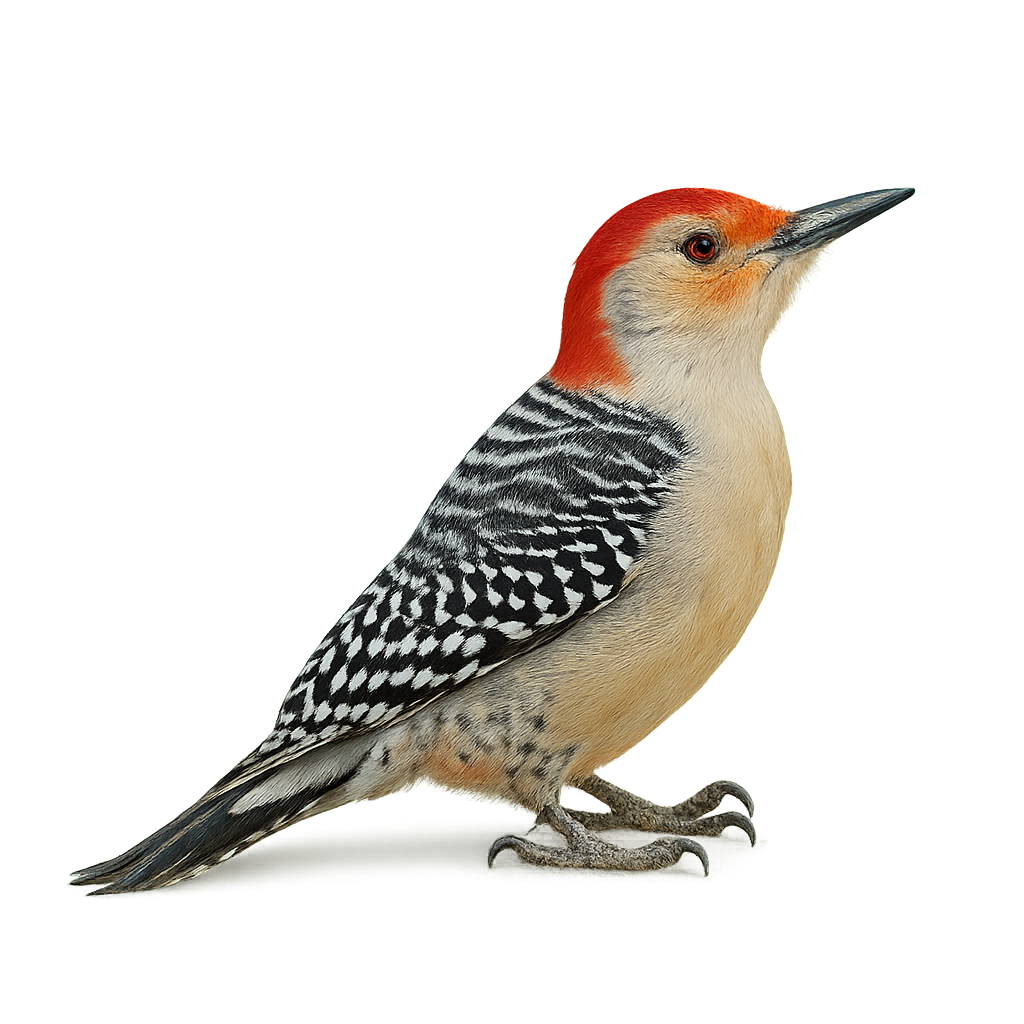
The Red-bellied Woodpecker is a medium-sized bird, easily recognizable by its distinctive plumage. Its head is adorned with a bright red cap, while its back features a black and white barred pattern. Despite its name, the red belly is often hard to spot. It primarily inhabits deciduous forests and wooded areas in North America, feeding on insects, fruits, and seeds. Its distinctive call and drumming on trees are typical sound characteristics. This woodpecker is a sedentary bird, although it may move slightly depending on food availability.
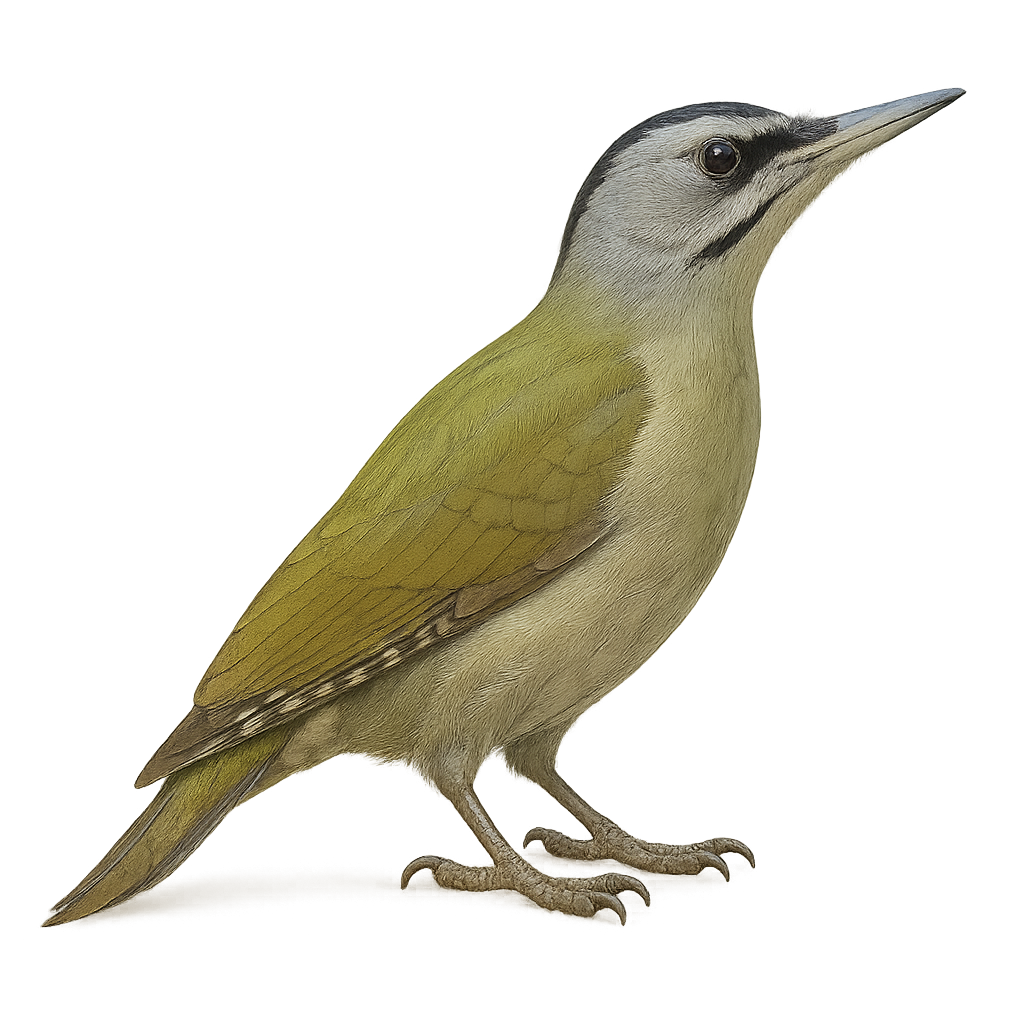
The Grey-headed Woodpecker is a bird belonging to the woodpecker family, primarily found in Eastern Europe, Asia, and the Middle East. It measures about 25 to 30 cm in length, with a wingspan of 40 to 45 cm, and weighs between 80 and 120 g. Its plumage is mainly gray, with a black and white head, and a red nape in males. It is distinguished by its sharp call and its ability to drill into tree trunks in search of larvae and insects, which are its primary food source. The Grey-headed Woodpecker lives in mixed forests and wooded areas, often nesting in dead or decaying trees. Although it is not considered threatened, the Grey-headed Woodpecker is vulnerable to deforestation and habitat loss.
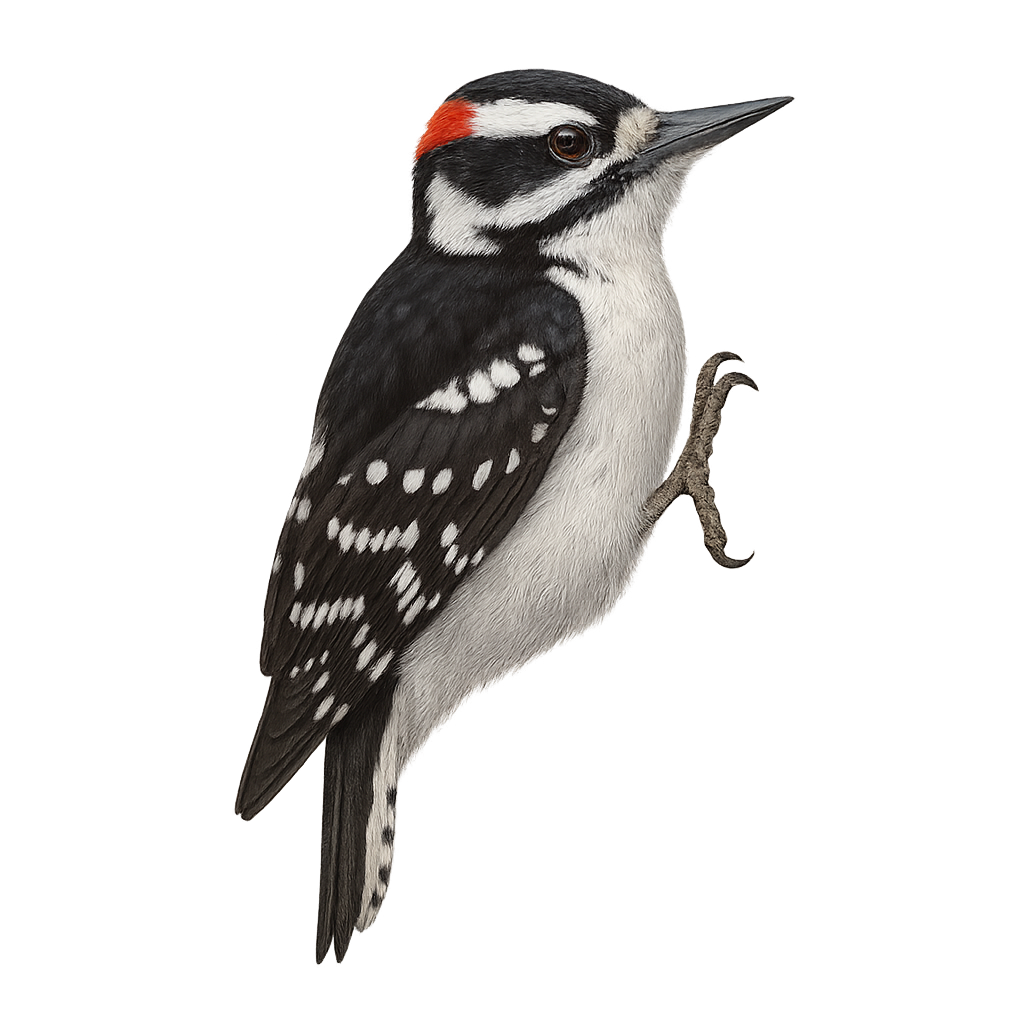
The Hairy Woodpecker, or Picoides villosus, is a medium-sized bird easily recognized by its distinctive black and white plumage. It features a white stripe down its back and wings speckled with white. Males have a small red patch on the back of their heads. This bird is widespread across North America, primarily inhabiting deciduous and coniferous forests. It feeds mainly on insects, which it dislodges by hammering tree trunks with its powerful beak. The Hairy Woodpecker is often mistaken for the Downy Woodpecker but is generally larger with a longer bill. It plays a crucial role in the ecosystem by controlling pest insect populations.
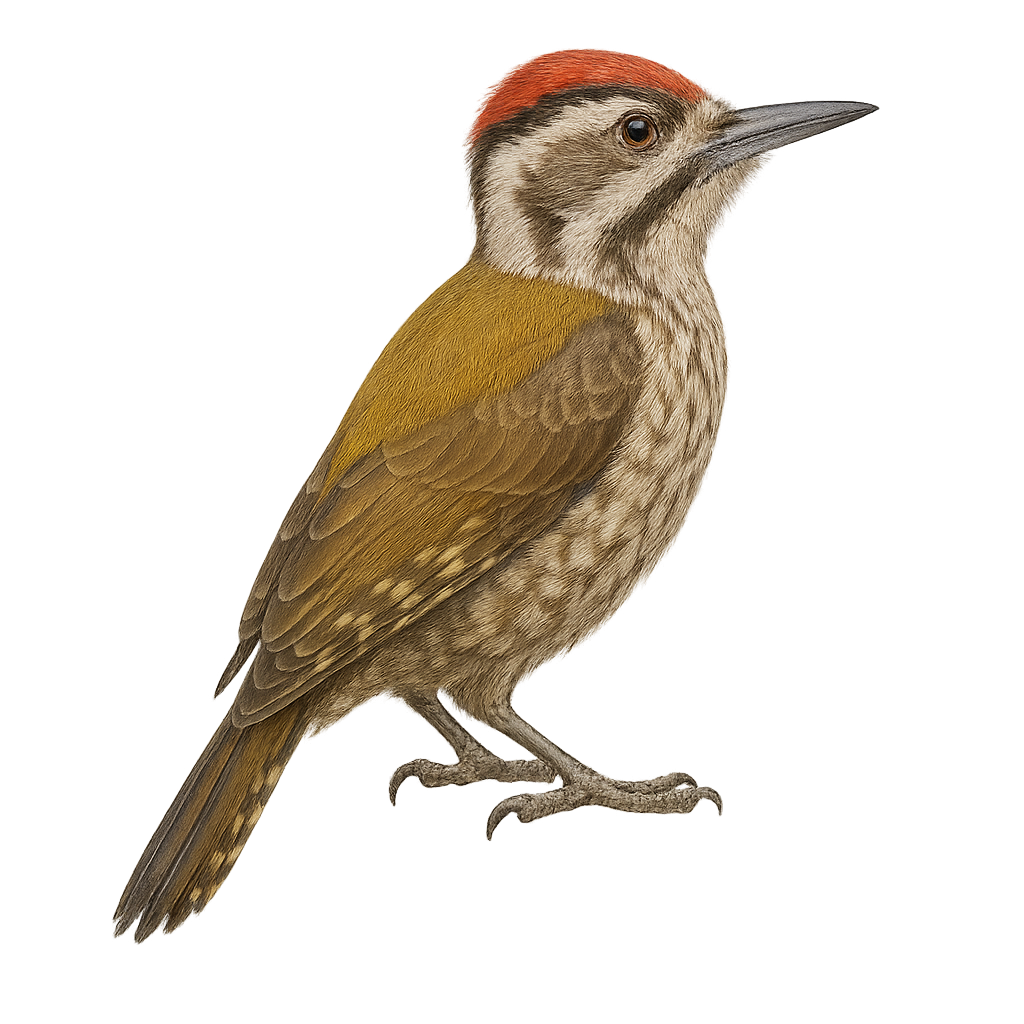
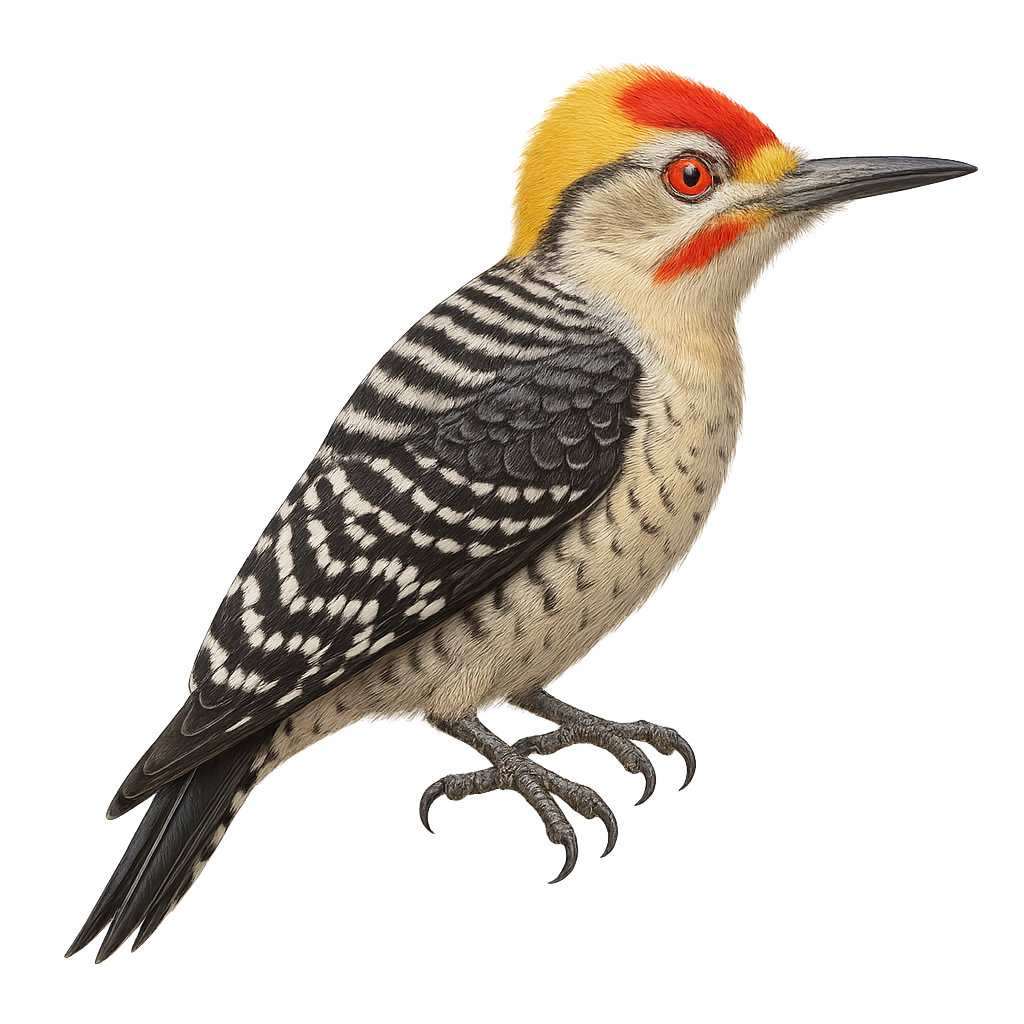
The Gilded Flicker, or Colaptes chrysoides, is a fascinating bird primarily inhabiting the desert regions of the southwestern United States and northern Mexico. This flicker measures about 29 to 31 cm in length and is distinguished by its golden-brown plumage, black-spotted wings, and red crown in males. It is often observed in arid areas, where it feeds mainly on insects, fruits, and seeds. The Gilded Flicker is known for its characteristic drumming on tree trunks, which it uses to communicate and mark its territory. Although relatively tolerant of human presence, it prefers natural habitats such as saguaro cactus forests and sparse woodlands.
The Abyssinian Woodpecker, or Dendropicos abyssinicus, is a fascinating bird primarily found in the mountainous forests of East Africa. This medium-sized woodpecker features distinctive plumage with olive-green hues and red markings on the head, more pronounced in males. It is often seen drumming on tree trunks in search of insects, its main food source. Although relatively discreet, its drumming resonates through the forests, signaling its presence. The Abyssinian Woodpecker plays a crucial role in the ecosystem by controlling harmful insect populations. Its ability to adapt to different forest types makes it a resilient bird, although deforestation may threaten its natural habitats.
The Himalayan Woodpecker, Dendrocopos himalayensis, is a captivating bird primarily inhabiting the coniferous and mixed forests of the Himalayan mountain regions. This medium-sized bird, measuring about 25 cm in length, is distinguished by its striking black and white plumage, with a red crown in males. It is often seen drumming on tree trunks in search of insects, its main food source. Although primarily insectivorous, it may also consume seeds and berries. The Himalayan Woodpecker is a diurnal bird, active mainly during the day, and is known for its territorial behavior, vigorously defending its territory against intruders.
The Magellanic Woodpecker, or Campephilus magellanicus, is a large black and white woodpecker, easily identified by the male's bright red crest. It primarily inhabits the temperate forests of Patagonia, in Argentina and Chile. This forest bird feeds mainly on wood-boring insects, which it finds by drilling into dead or diseased trees. It plays a crucial role in the ecosystem by controlling pest insect populations and creating cavities that provide shelter for other species. Although its habitat is relatively stable, it is vulnerable to deforestation and forest fragmentation.
The Nuttall's Woodpecker is a medium-sized bird, measuring about 18 to 21 cm in length. It is primarily black and white, with distinctive stripes on its back and wings. Males are marked by a red patch on the nape, which is absent in females. This woodpecker is mainly found in oak forests of California and northern Mexico. It primarily feeds on insects dislodged from tree bark, but also consumes fruits and seeds. Its call is a rapid trill, and it often drums on trunks to mark its territory. Although relatively common, it is sensitive to habitat loss due to urbanization.
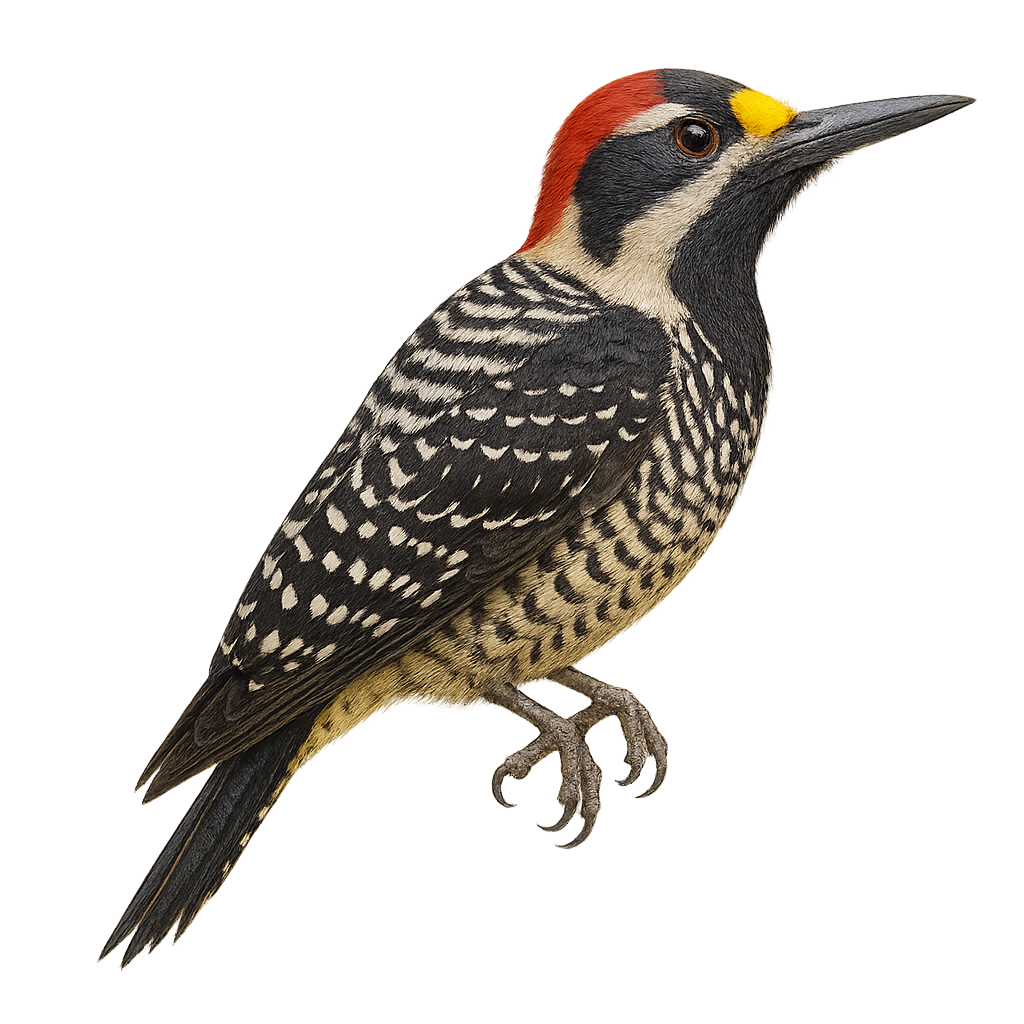
The Black-cheeked Woodpecker is a colorful and fascinating bird found mainly in the tropical forests of Central America. Its head is adorned with bright red, contrasting with its black cheeks and pale yellow belly. This woodpecker measures about 18 to 20 cm in length and feeds primarily on insects, fruits, and nectar. It is often seen drumming on tree trunks to dislodge its prey. Although relatively common in its natural habitat, it is sometimes threatened by deforestation. Its call is a mix of sharp cries and rapid drumming, making it easily identifiable in the dense canopy.
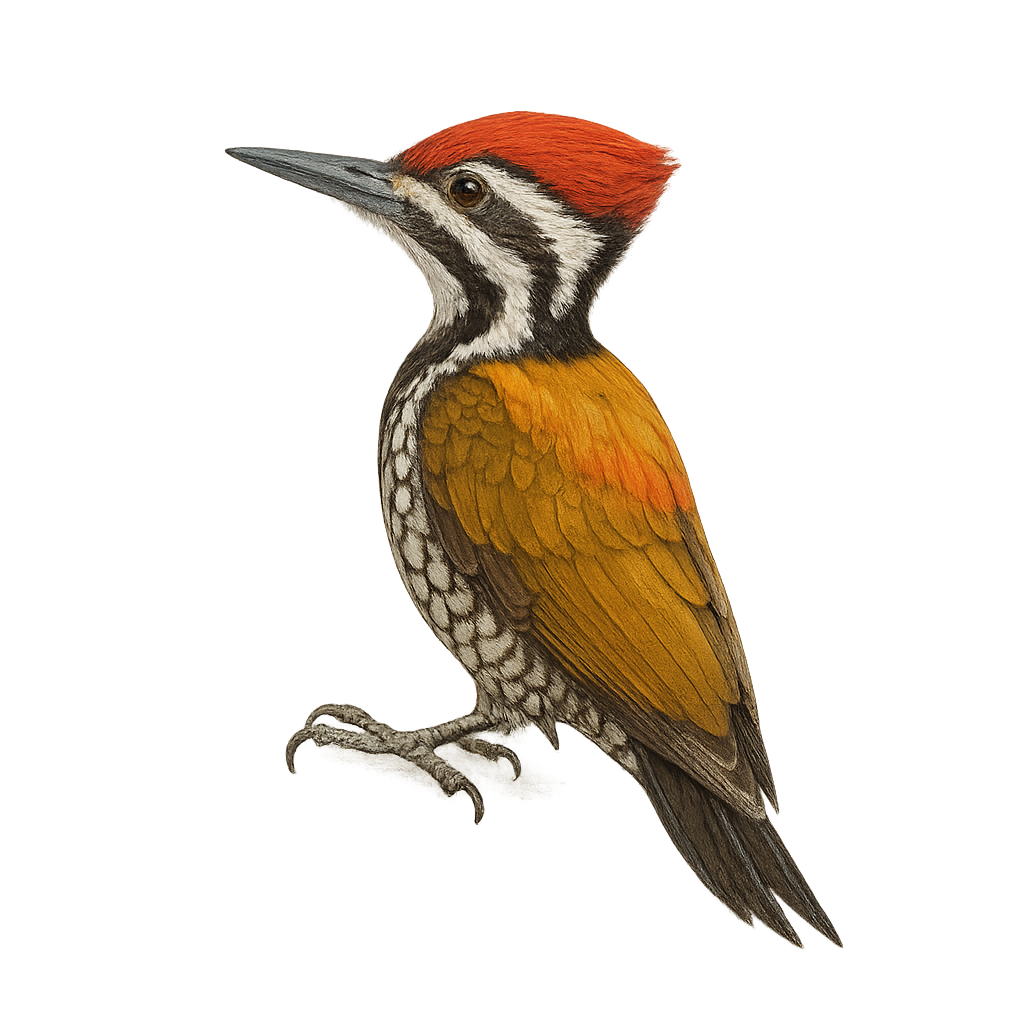
The Himalayan Flameback, or Dinopium shorii, is a captivating bird from the Picidae family, known for its striking plumage and distinctive patterns. It features a brilliant golden back, contrasting with a bright red head in males, while females have a black cap. This bird is primarily found in the subtropical and tropical moist forests of the Indian subcontinent, where it feeds on insects dislodged from tree bark with its strong beak. The Himalayan Flameback is a diurnal bird, active mainly during the day. Although generally suspicious, it can sometimes be spotted at altitudes ranging from 200 m to 1500 m. Its population is currently stable, and it is classified as "least concern" by the IUCN.
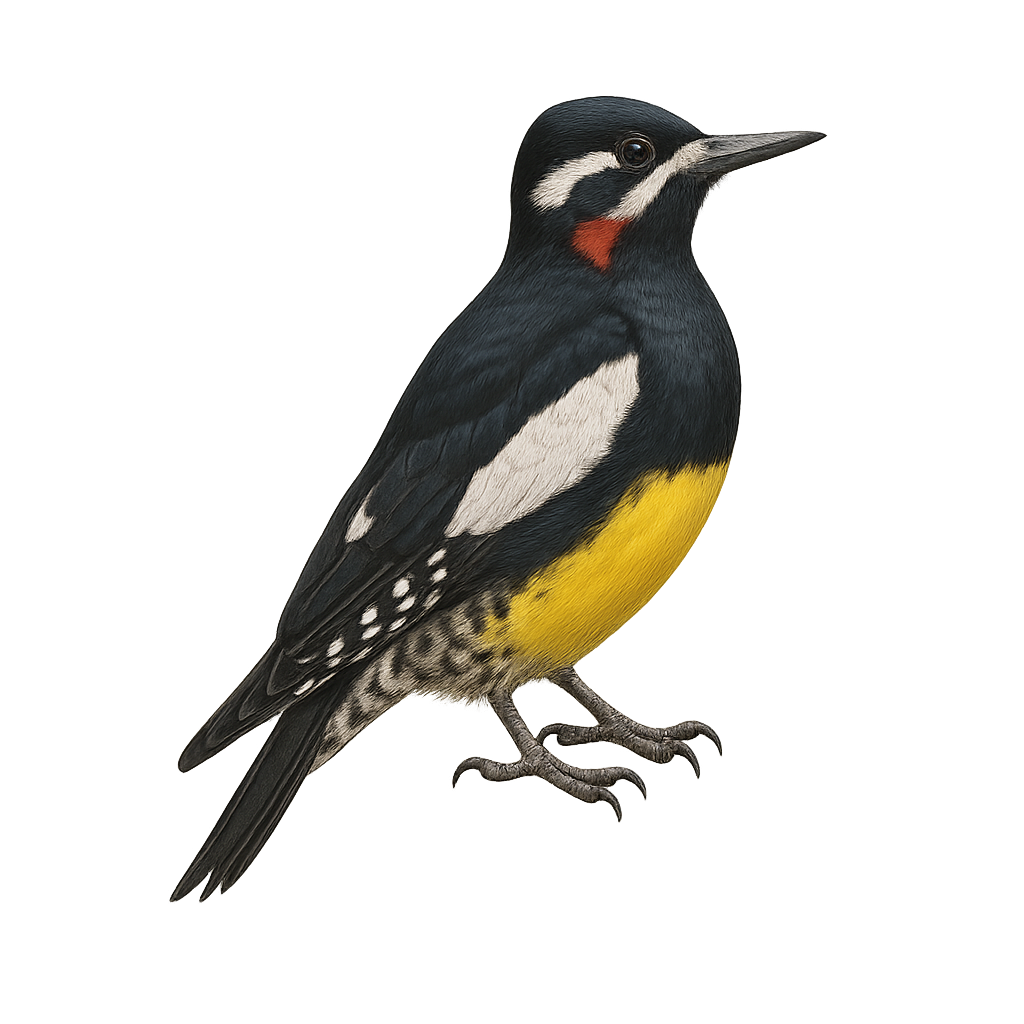
The Williamson's Sapsucker, or Sphyrapicus thyroideus, is a fascinating bird from the Picidae family, primarily found in the coniferous forests of western North America. This woodpecker measures about 20 to 22 cm in length and exhibits marked sexual dimorphism: the male sports a distinctive black head, while the female is duller with brown and white patterns. They primarily feed on tree sap, which they extract by drilling holes in the bark, as well as insects and fruits. Their call is a mix of trills and drumming. Although their population is stable, they are sensitive to deforestation and habitat loss.
The Golden-cheeked Woodpecker, scientifically known as Melanerpes chrysogenys, is a colorful and fascinating bird primarily found in the dry forests and wooded areas of Mexico. This woodpecker measures about 20 to 22 cm in length and is distinguished by its bright red head, golden cheeks, and black and white back. Males and females have similar plumage, although males have a more pronounced red hue on the head. They are often observed drumming on tree trunks in search of insects, their main food source, although they also consume fruits and seeds. Their social behavior is interesting, as they can be seen in small family groups.
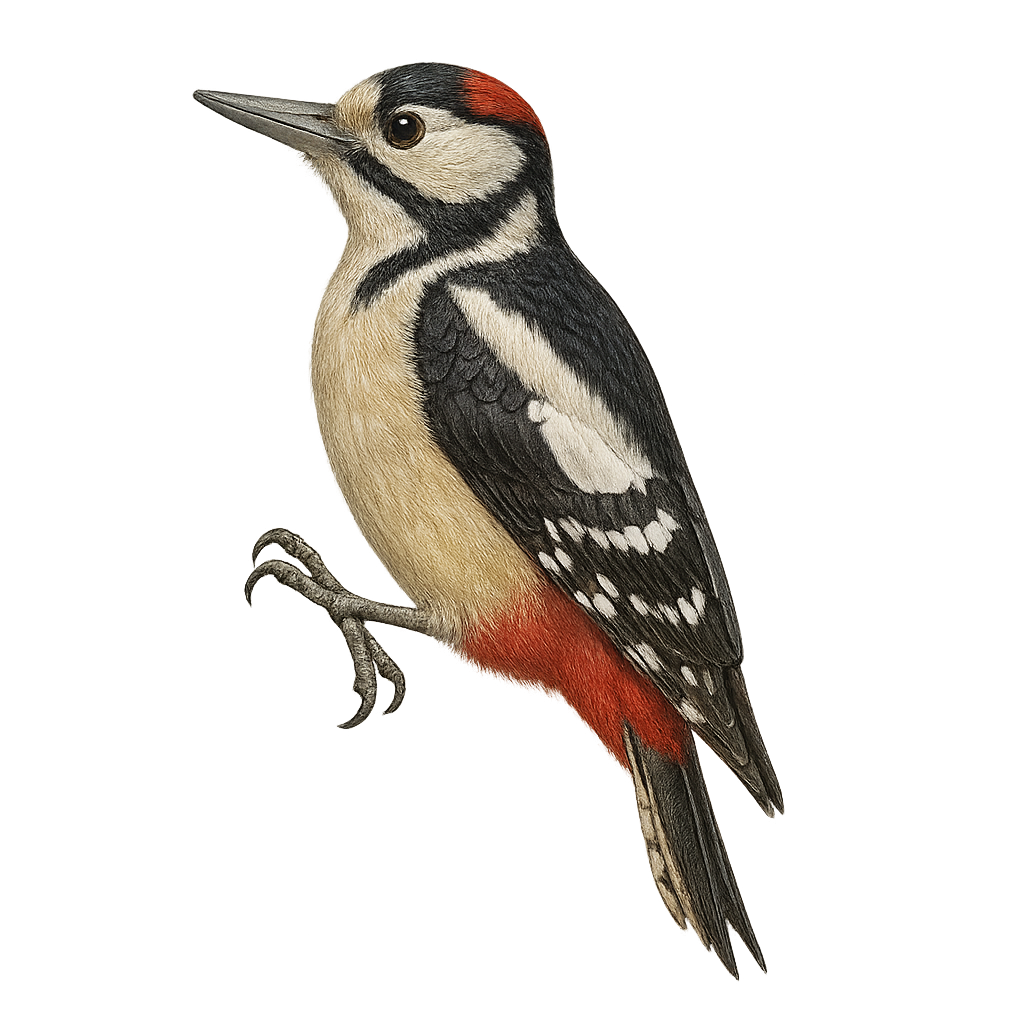
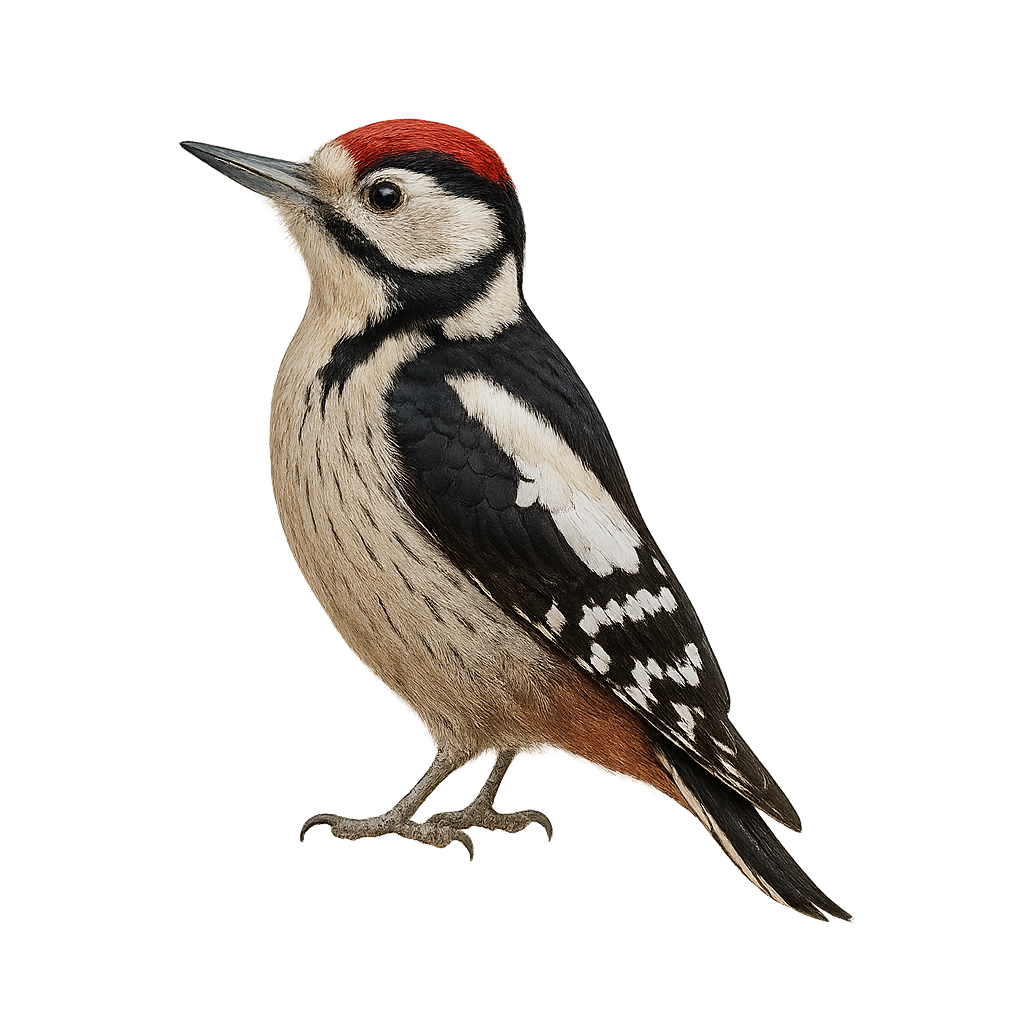
The Great Spotted Woodpecker is an iconic bird of forests in Europe, Asia, and North Africa. It measures about 25 to 30 cm in length, with a wingspan of 40 to 45 cm, and weighs between 70 and 100 g. It is easily recognizable by its black and white plumage, with a red head in males and a red patch on the nape in females. The Great Spotted Woodpecker is an excellent climber, using its strong beak to tap on tree trunks in search of insects, primarily insect larvae and ants, which it extracts with its long, sticky tongue. It is often seen hammering wood in search of food or to mark its territory. The Great Spotted Woodpecker is found in a variety of forests, from broadleaf to mixed forests, and although its population remains stable, it is sometimes affected by habitat loss.
The Lesser Spotted Woodpecker is a small bird from the woodpecker family, primarily found in deciduous and mixed forests of Europe and Asia. It measures about 20 cm in length, with a wingspan of 30 to 35 cm, and weighs between 30 and 40 g. Its plumage is mainly black and white, with a small red patch on the nape, visible mostly in males. The Lesser Spotted Woodpecker is distinguished by its smaller size compared to the Great Spotted Woodpecker and its foraging habits. It primarily feeds on small insects found under the bark of trees, using its beak to strike quickly and its long tongue to extract the insects. It is an excellent climber and spends much of its time in trees. Although its population remains stable, this species may be affected by habitat loss due to deforestation.
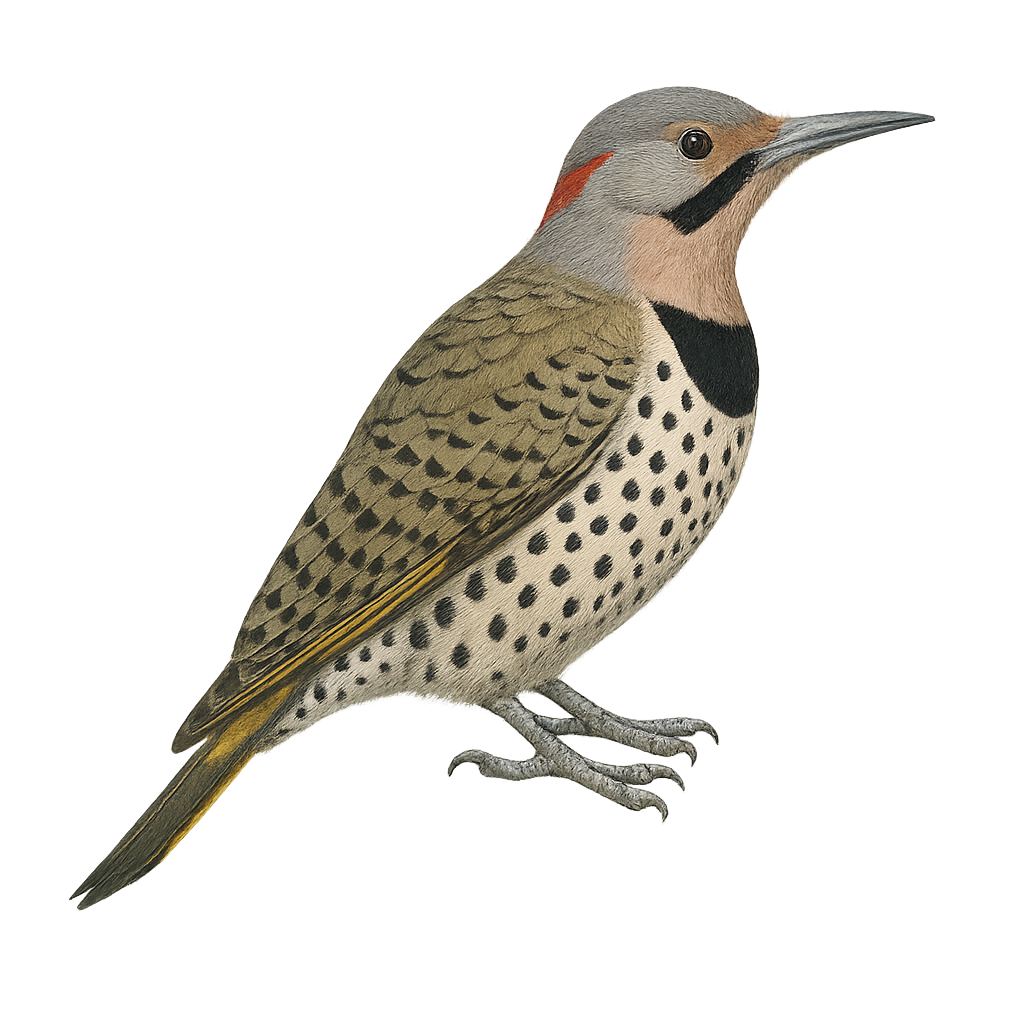
The Northern Flicker, or Colaptes auratus, is a captivating bird from the Picidae family. It is distinguished by its striking plumage, blending shades of brown, black, and gold, with red or yellow markings depending on the subspecies. This flicker is widespread across North America, inhabiting various environments from forests to urban parks. Known for its unusual terrestrial behavior for a woodpecker, it is often seen pecking the ground in search of ants and other insects. The Northern Flicker is also famous for its loud drumming, used to mark territory and attract a mate. Although generally tolerant of human presence, it remains vigilant and may quickly fly away if threatened.
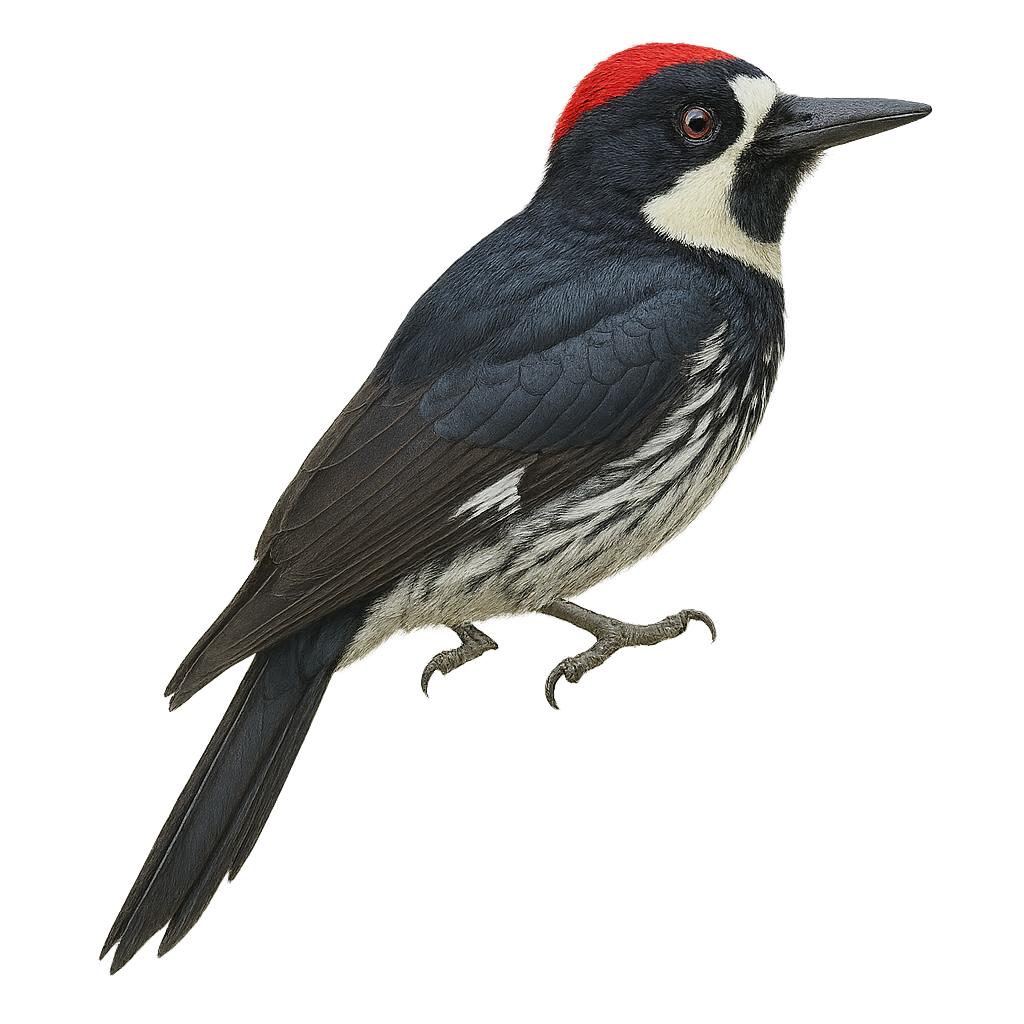
The Acorn Woodpecker, Melanerpes formicivorus, is a fascinating bird from the Picidae family, easily recognizable by its distinctive black and white plumage and bright red cap. It is primarily found in oak forests of North and Central America, where it plays a crucial role in the ecosystem by dispersing oak seeds. This woodpecker is famous for its unique behavior of storing acorns, which it inserts into holes drilled in tree trunks, forming collective "granaries." Sociable, it often lives in family groups and communicates through a variety of calls. Although primarily insectivorous, it also feeds on fruits and nuts.
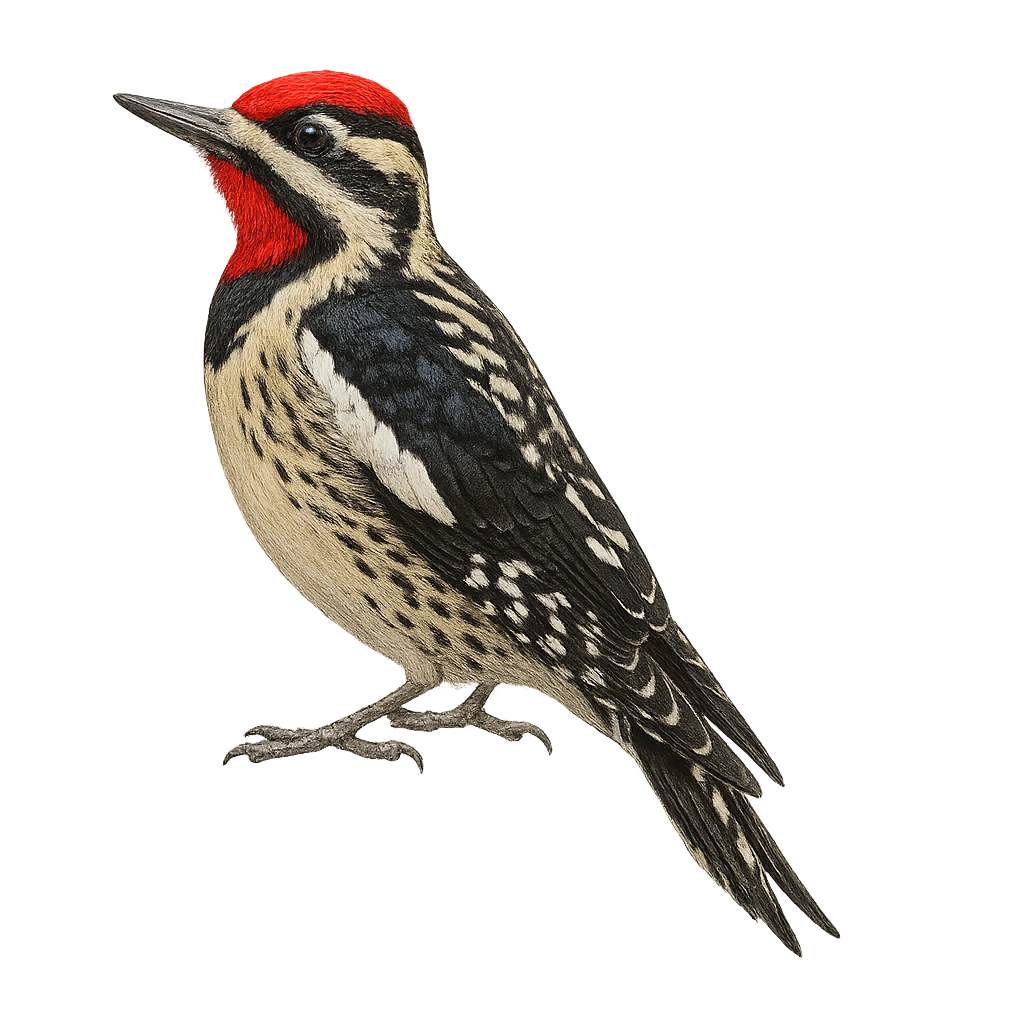
The Yellow-bellied Sapsucker, Sphyrapicus varius, is a medium-sized bird belonging to the woodpecker family. It is easily recognizable by its distinctive plumage, featuring a pale yellow belly, a head striped with black and white, and a bright red patch on the forehead. This bird primarily feeds on insects but also consumes tree sap, which it extracts by drilling holes in the bark. It is mainly found in deciduous and mixed forests of North America, where it nests in tree cavities. As a migratory bird, it winters in the southern United States and Central America. The Yellow-bellied Sapsucker plays an important ecological role by creating habitats for other species through its sap wells.
The Middle Spotted Woodpecker is a medium-sized bird from the woodpecker family, primarily found in deciduous and mixed forests of Europe and Asia. It measures about 23 to 26 cm in length, with a wingspan of 40 to 45 cm, and weighs between 60 and 100 g. Its plumage is primarily black and white, with a red head in males and a red patch on the nape in females. The Middle Spotted Woodpecker is an excellent climber, using its strong beak to dig into tree bark in search of insect larvae, ants, and small arthropods. It generally lives in older, less disturbed forests, but its population can be threatened by deforestation and the loss of its natural habitat.
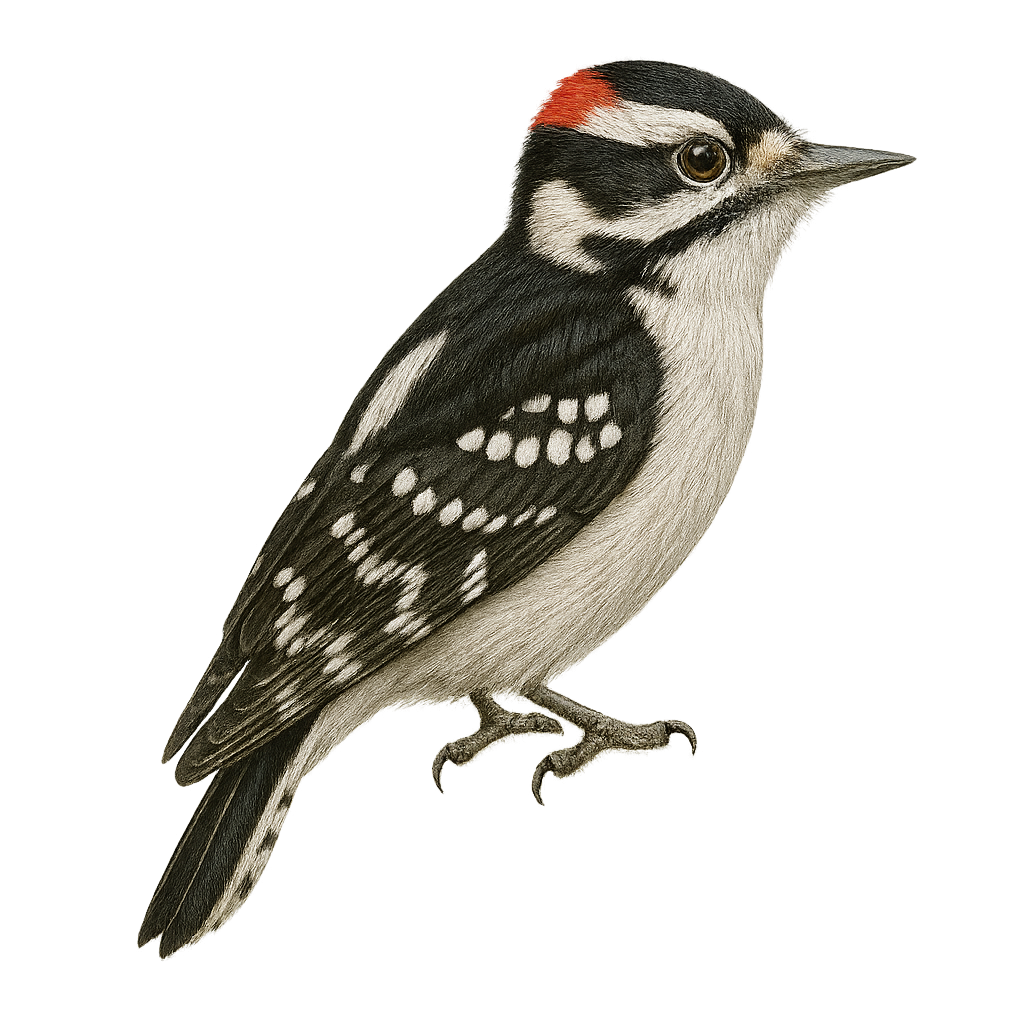
The Downy Woodpecker, Dryobates pubescens, is a small woodpecker native to North America. It is easily identified by its black and white plumage and small size, measuring about 14 to 17 cm in length. The male has a small red patch on the back of its head, which is absent in females. This woodpecker is often found in deciduous and mixed forests but also adapts to urban parks and gardens. It primarily feeds on insects, which it extracts by drumming on tree bark, but it also consumes seeds and berries. Its rapid and repeated drumming serves as a means of communication and territorial marking.
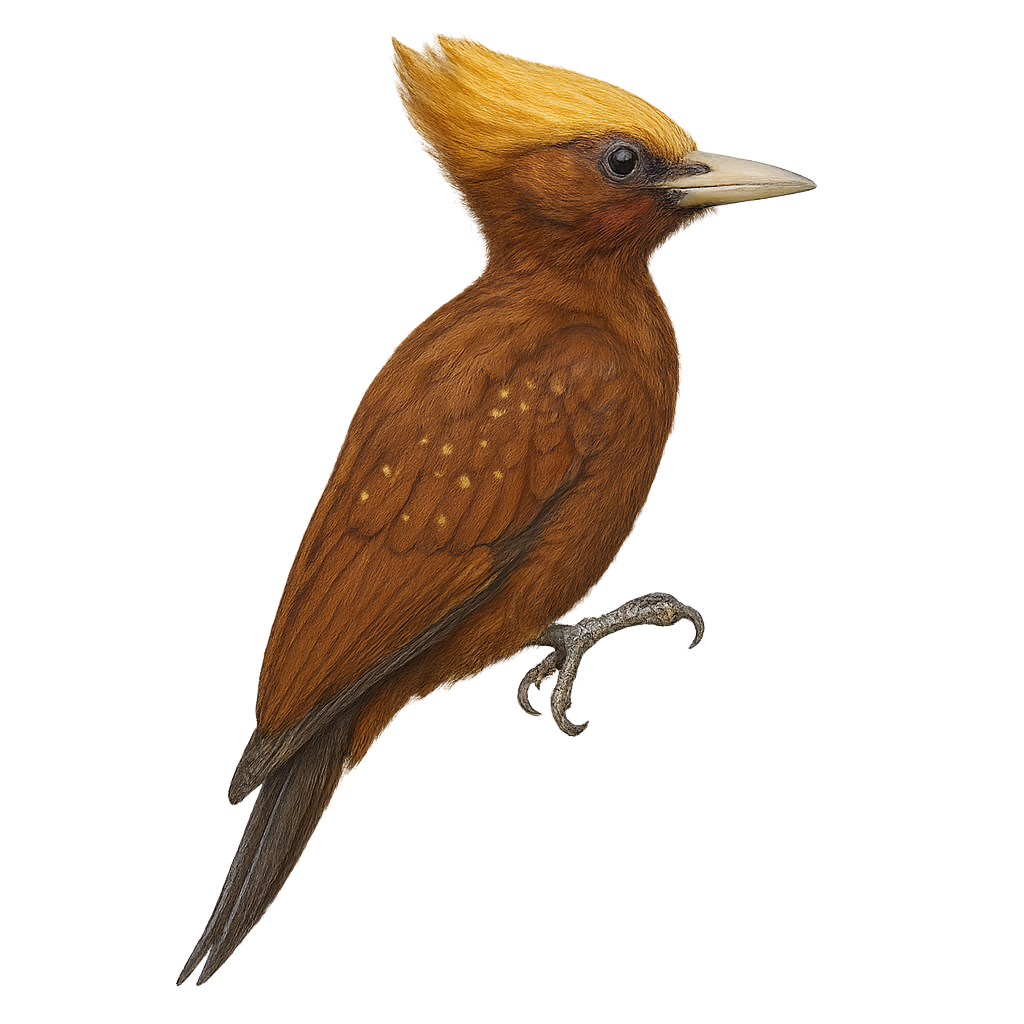
The Chestnut Woodpecker, or Celeus elegans, is a captivating bird native to the tropical forests of South America. It is characterized by its striking reddish-brown plumage and distinctive crest. Its medium size and sturdy beak allow it to bore into wood to find its food, mainly consisting of insects and larvae. Often seen in pairs or small groups, it moves nimbly through the dense canopy. Although its habitat is threatened by deforestation, the Chestnut Woodpecker remains relatively common in some areas. Its call is a mix of sharp cries and drumming on tree trunks, making it easily noticeable to keen observers.
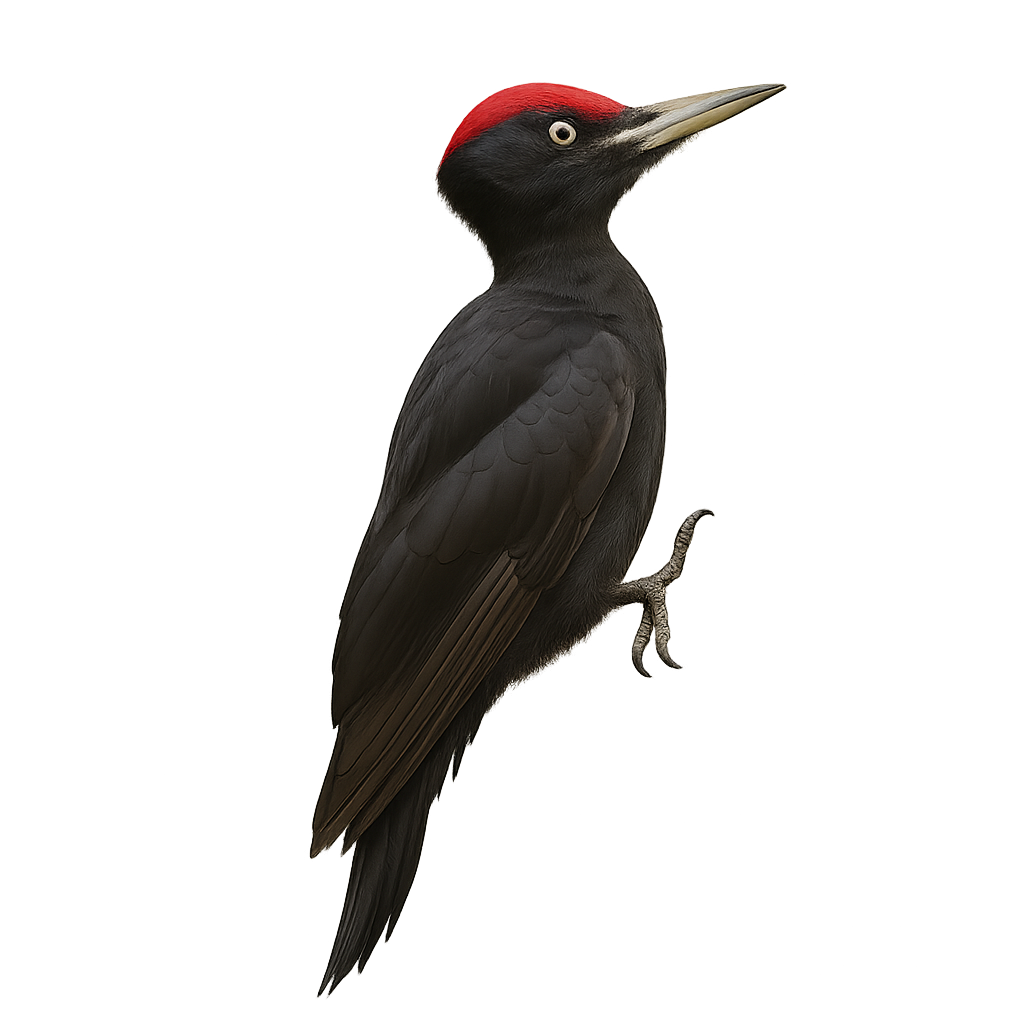
The Black Woodpecker is a large bird from the woodpecker family, primarily found in deciduous and mixed forests of Europe, Asia, and North Africa. It measures between 45 and 50 cm in length, with a wingspan of 60 to 70 cm, and weighs between 250 and 300 g. Its plumage is entirely black, except for its ivory-colored bill. In females, a red patch adorns the top of the head, while in males, the red patch extends from the top of the head down to the nape. The Black Woodpecker is an excellent climber and a skilled driller, primarily feeding on insect larvae, arthropods, and sometimes small mammals found under tree bark. It prefers mature, well-established forests, where it creates large holes in search of food. While its population remains relatively stable, the Black Woodpecker is sometimes threatened by deforestation and habitat loss.
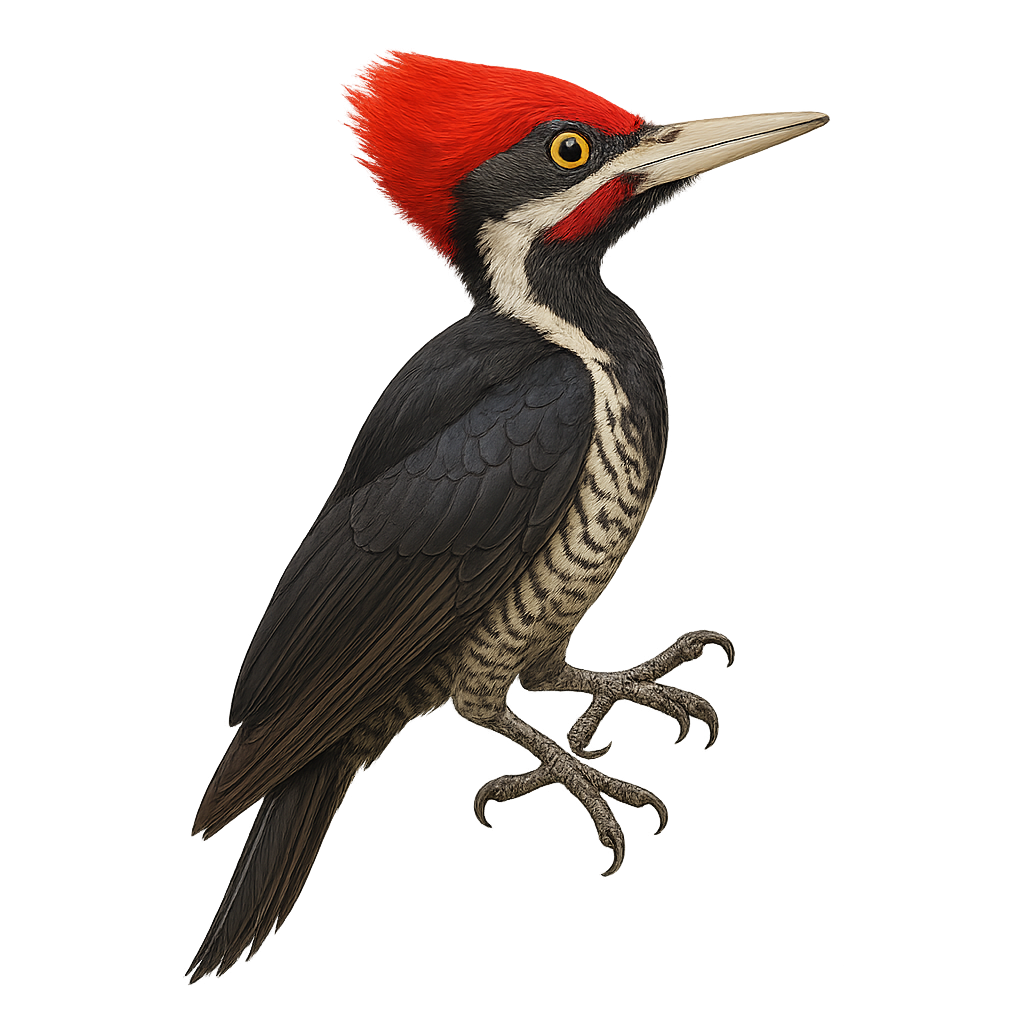
The Lineated Woodpecker, Dryocopus lineatus, is a medium-sized bird known for its striking black and white plumage and the bright red crest on males. It primarily inhabits tropical and subtropical forests in Central and South America. This woodpecker is often seen drumming on tree trunks to feed on insects and larvae hidden beneath the bark. It plays a crucial role in the ecosystem by controlling pest insect populations. Although generally solitary, it can sometimes be seen in pairs, especially during the breeding season. Its call is a distinctive "klee-klee-klee" that echoes through the forest.
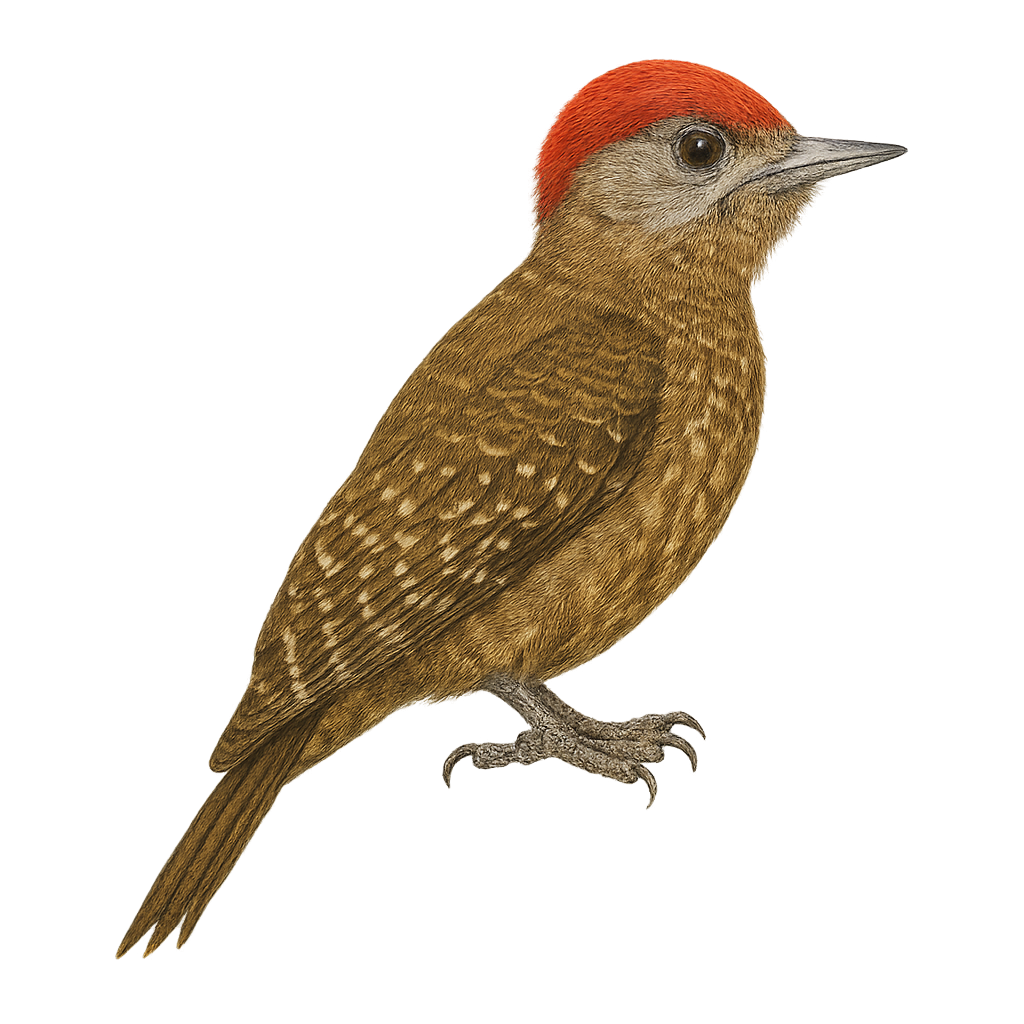
The Little Woodpecker, or Dryobates passerinus, is a small woodpecker native to South America, identifiable by its olive-brown plumage and barred belly patterns. It measures about 14 to 15 cm in length and weighs between 20 and 30 grams. This woodpecker is adept at climbing tree trunks in search of insects, its primary food source. It primarily inhabits tropical and subtropical forests but can also be found in more open wooded areas. Its call is discreet, consisting of small, high-pitched sounds. Although relatively common within its range, it is often difficult to spot due to its small size and discreet behavior.
The Three-toed Woodpecker is a small bird from the woodpecker family, primarily found in coniferous forests of Europe and Asia. It measures about 20 cm in length, with a wingspan of 40 to 45 cm, and weighs between 50 and 70 g. Its plumage is primarily black and white, with a distinctive yellow patch on the top of its head, and white streaks on its wings. What distinguishes the Three-toed Woodpecker is the presence of three toes on each foot, which allows it to climb with great agility. It primarily feeds on insect larvae, which it extracts from the bark of trees using its strong beak. The Three-toed Woodpecker lives in old forests and dense wooded areas, and although it is not currently threatened, it is vulnerable to habitat loss and human disturbance.
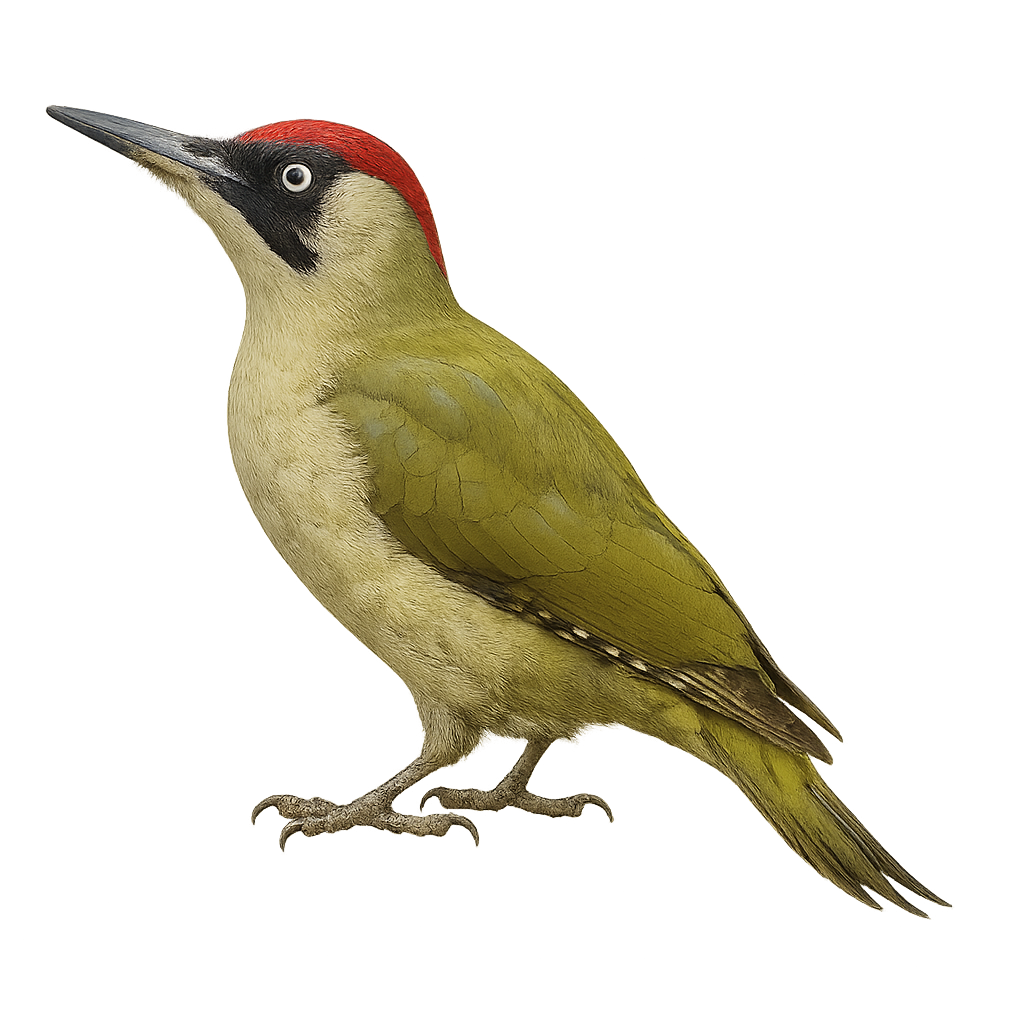
The Green Woodpecker is a large bird from the woodpecker family, primarily found in deciduous forests and parks in Europe. It measures about 30 to 35 cm in length, with a wingspan of 45 to 50 cm, and weighs between 200 and 250 g. Its plumage is primarily green, with yellow underparts and a red head in males, while females have a less prominent red patch. The Green Woodpecker is distinguished by its piercing call, which it uses to mark its territory. It primarily feeds on ants and their larvae, which it finds in soft soils and under tree bark, using its beak to pierce the ground and trunks. This bird is an excellent climber and spends much of its time on the ground searching for food. While its population remains relatively stable, the Green Woodpecker can be threatened by habitat loss due to intensive farming and deforestation.
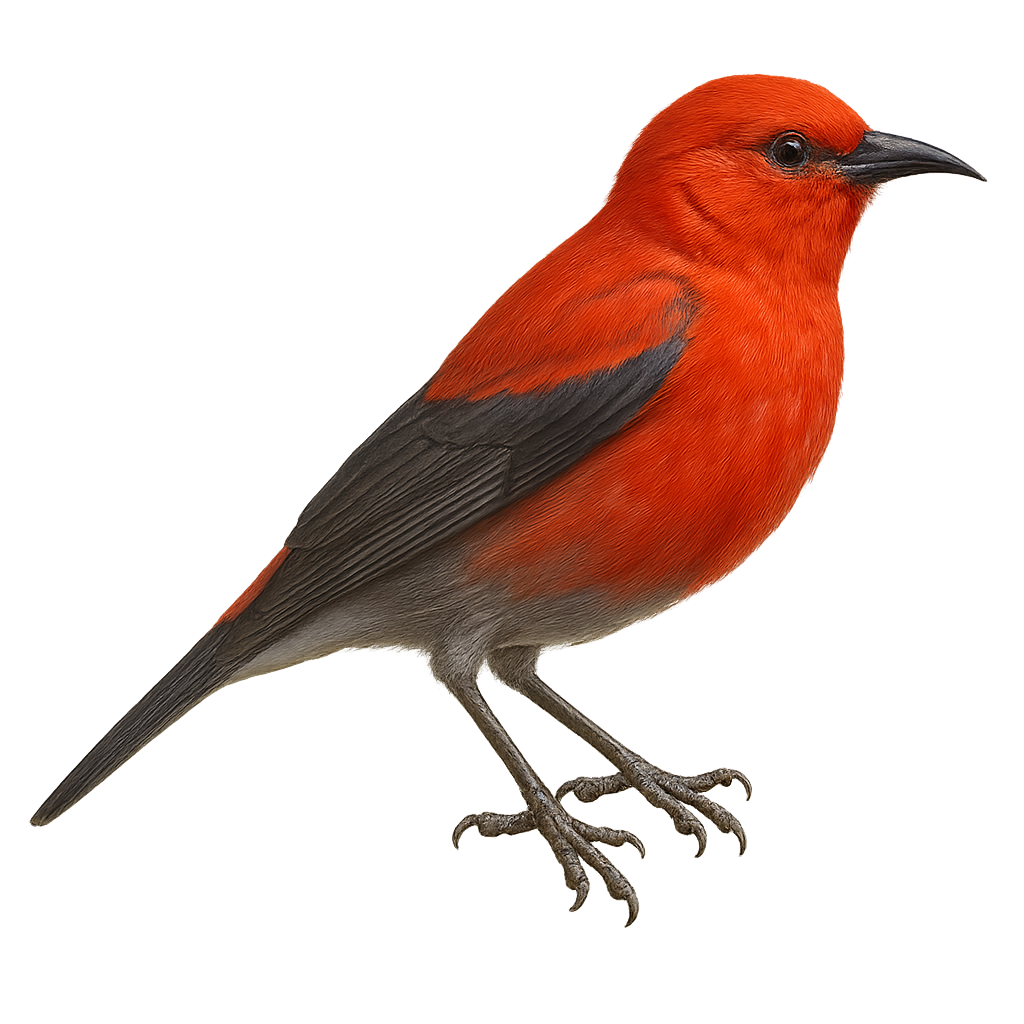
The Apapane, or Himatione sanguinea, is an endemic bird of Hawaii, belonging to the Fringillidae family. This medium-sized bird is recognizable by its bright red plumage, contrasting with its black wings and tail. Its curved beak is adapted for nectar consumption, its primary food source, although it also feeds on insects. The Apapane plays a crucial role in pollinating native flowers. It is often observed in high-altitude rainforests, moving in noisy flocks. Although its population is stable, it is threatened by habitat loss and avian diseases. The Apapane is a symbol of the unique biodiversity of the Hawaiian Islands.
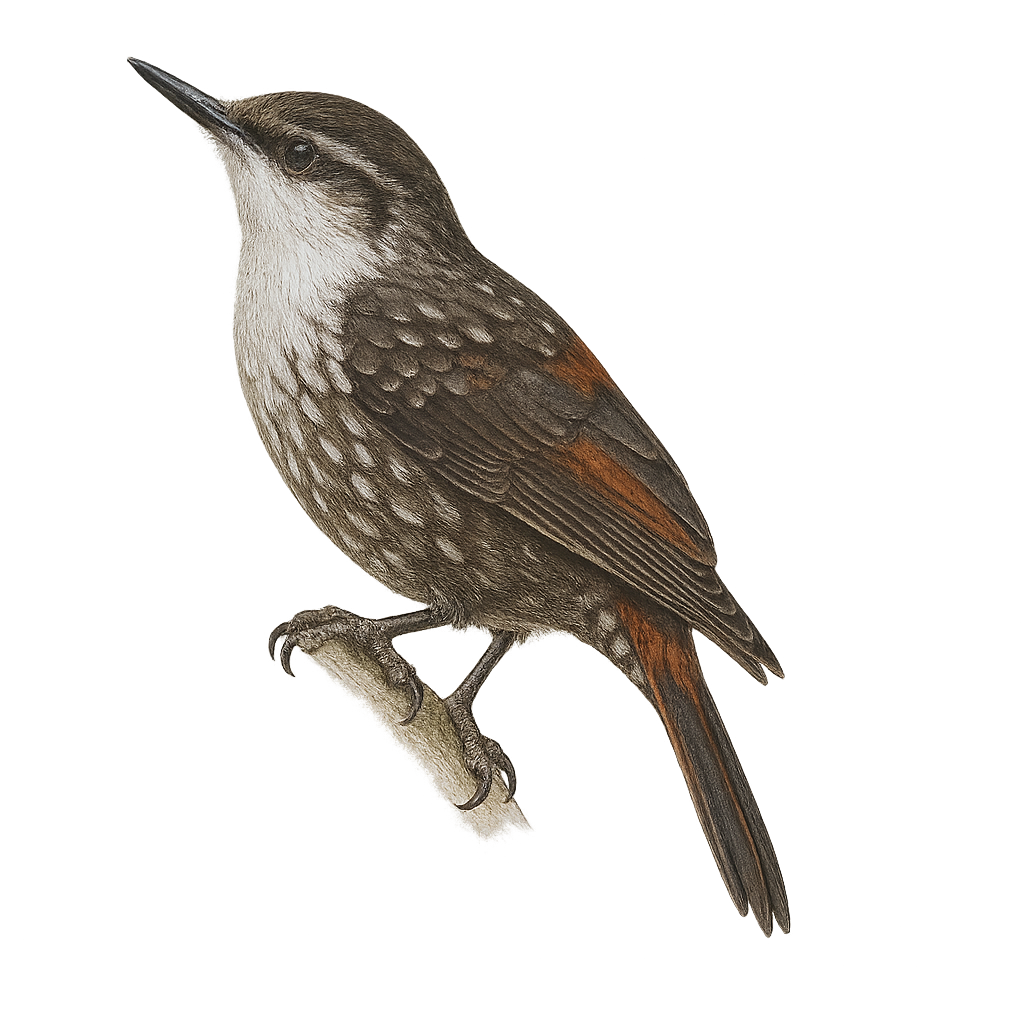
The Pygarrhichas albogularis, known as the White-throated Treerunner, is a bird endemic to the temperate forests of southern South America, particularly in Chile and Argentina. This small bird, about 15 cm long, is distinguished by its white throat contrasting with its reddish-brown plumage. It is often seen climbing tree trunks in search of insects and spiders, which it captures with its thin, slightly curved beak. Its behavior is generally suspicious, making it difficult to approach. It is primarily active during the day, exploring Nothofagus forests and humid wooded areas. Although not threatened, it is important to preserve its natural habitat to ensure its survival.
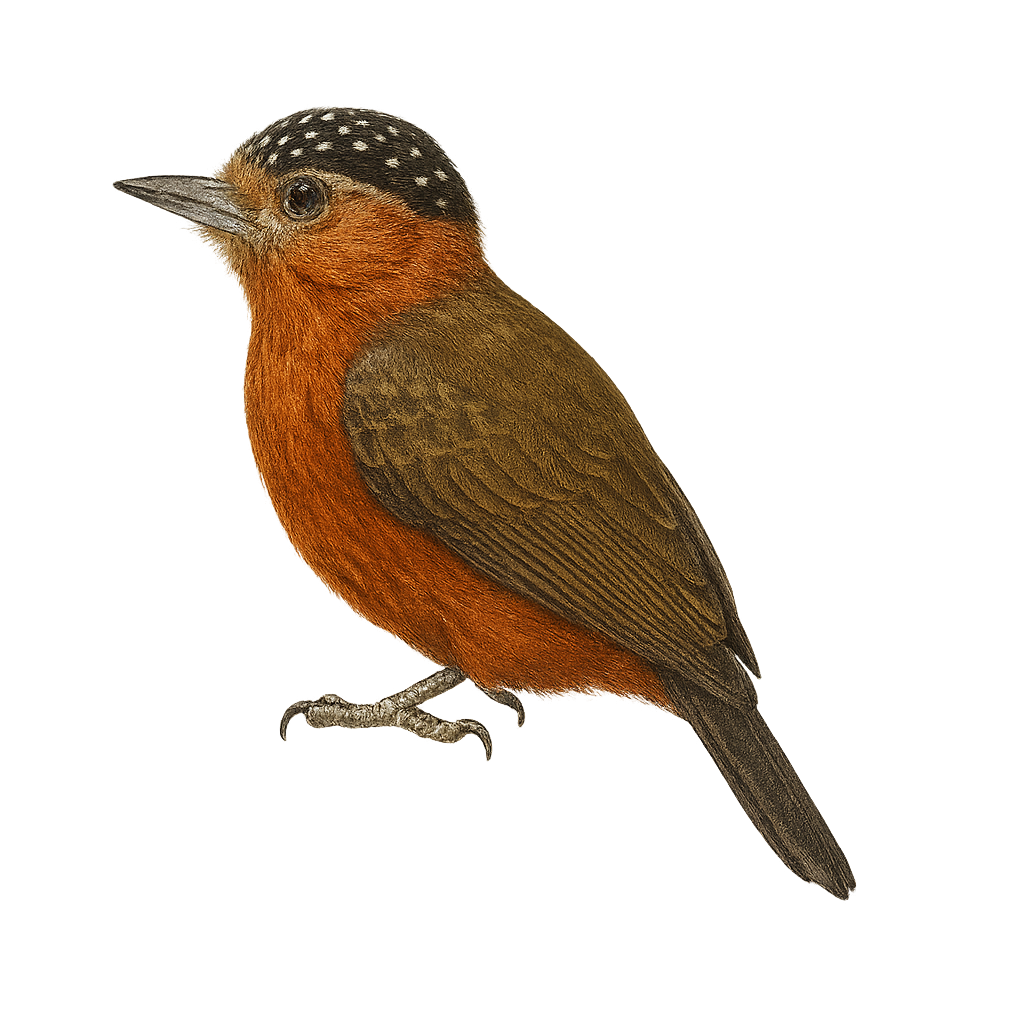
The Rufous-breasted Piculet is a small bird from the Picidae family, primarily found in the tropical and subtropical forests of South America. It is characterized by its rufous-brown belly and black-and-white patterns on its back and head. Measuring about 10 cm in length, it is one of the smallest members of its family. Its short, pointed beak is well-suited for its diet, which mainly consists of insects and larvae found by pecking at tree bark. Often seen in small groups or pairs, it moves nimbly through dense foliage. Though discreet, its high-pitched, repetitive call makes it identifiable to those who listen closely.
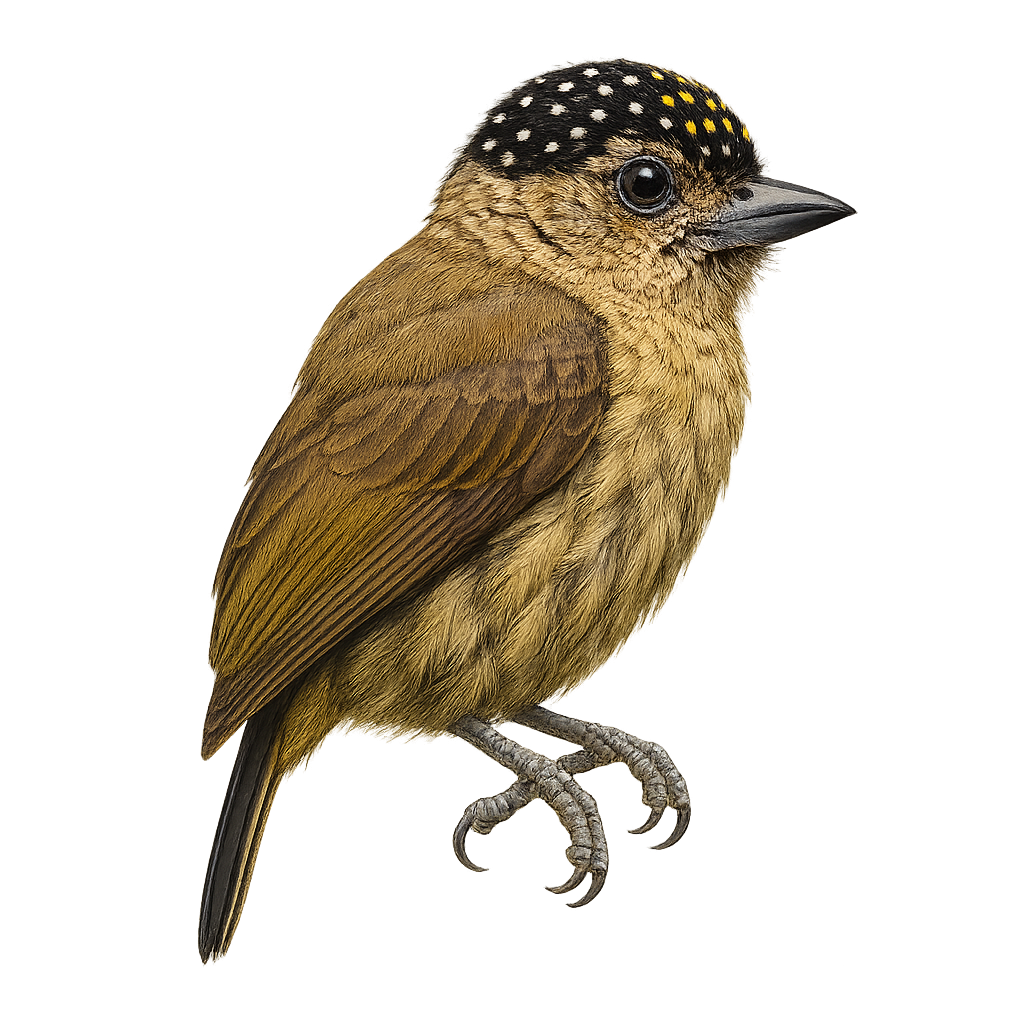
The Olivaceous Piculet is a small bird from the Picidae family, identifiable by its olive-green plumage and diminutive size, measuring about 10 cm in length. It primarily inhabits the tropical rainforests of South America, particularly in Colombia, Venezuela, and Ecuador. Its short, sturdy beak is adapted for pecking tree bark in search of insects. The male is distinguished by a small red patch on its head, which is absent in females. This piculet is often seen in small groups or pairs, actively moving through foliage in search of food. Although relatively common in its habitat, it remains discreet and hard to spot due to its coloration blending into the dense foliage.
The magpie is a very social and intelligent bird found primarily in Europe, Asia, and North Africa. It is easily recognized by its black and white plumage, long beak, and long, pointed tail. The magpie is omnivorous, feeding on insects, small vertebrates, fruits, seeds, and even human scraps. It is also known for its curious nature and its habit of collecting shiny objects for its nest.