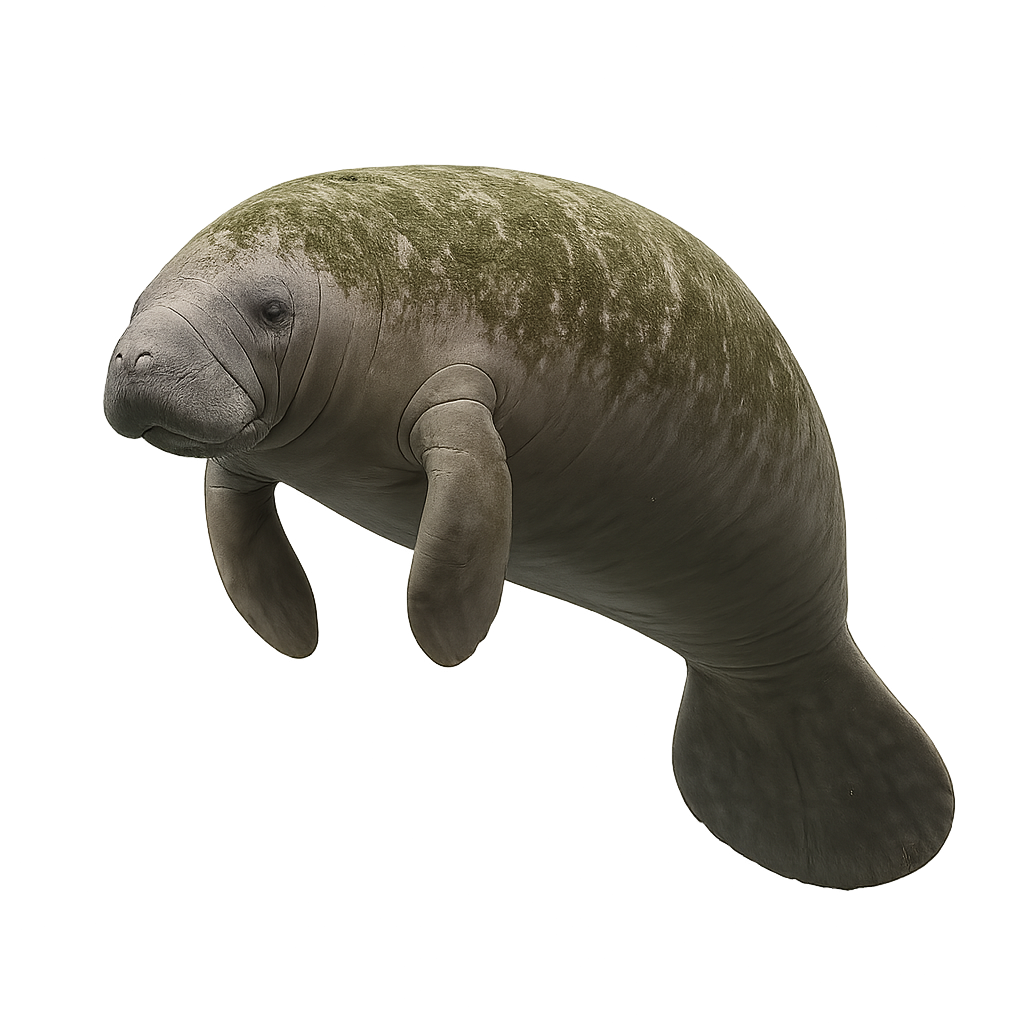
The West Indian manatee is a large marine mammal, often called the 'sea cow.' It primarily lives in shallow coastal waters, estuaries, and rivers of the Caribbean, Gulf of Mexico, and Florida. This herbivorous mammal feeds mostly on aquatic plants and can consume up to 100 kg of vegetation per day. The West Indian manatee is a calm and slow-moving animal, with thick skin and sensitive whiskers that help it detect food in the water. While not aggressive, it is endangered due to habitat loss, boat collisions, and water pollution.
The Semnopithèque is a type of monkey primarily found in the forests of South and Southeast Asia. There are several species of langurs, all characterized by dense and typically colorful fur, ranging from black to gray, sometimes with golden or white tints depending on the species. These primates typically measure between 40 and 70 cm in length, with a long, prehensile tail that can exceed the length of their body. They weigh between 10 and 20 kg, with males generally being larger than females. Semnopithèques are herbivores, primarily feeding on leaves, fruits, seeds, and flowers, and they often live in organized social groups. They are known for their ability to move quickly through trees thanks to their long and agile limbs. While some langurs are threatened by deforestation and habitat loss, many species are still relatively widespread within their range. Semnopithèques play a crucial role in the ecosystem by helping to disperse seeds and maintaining the balance of forest vegetation.
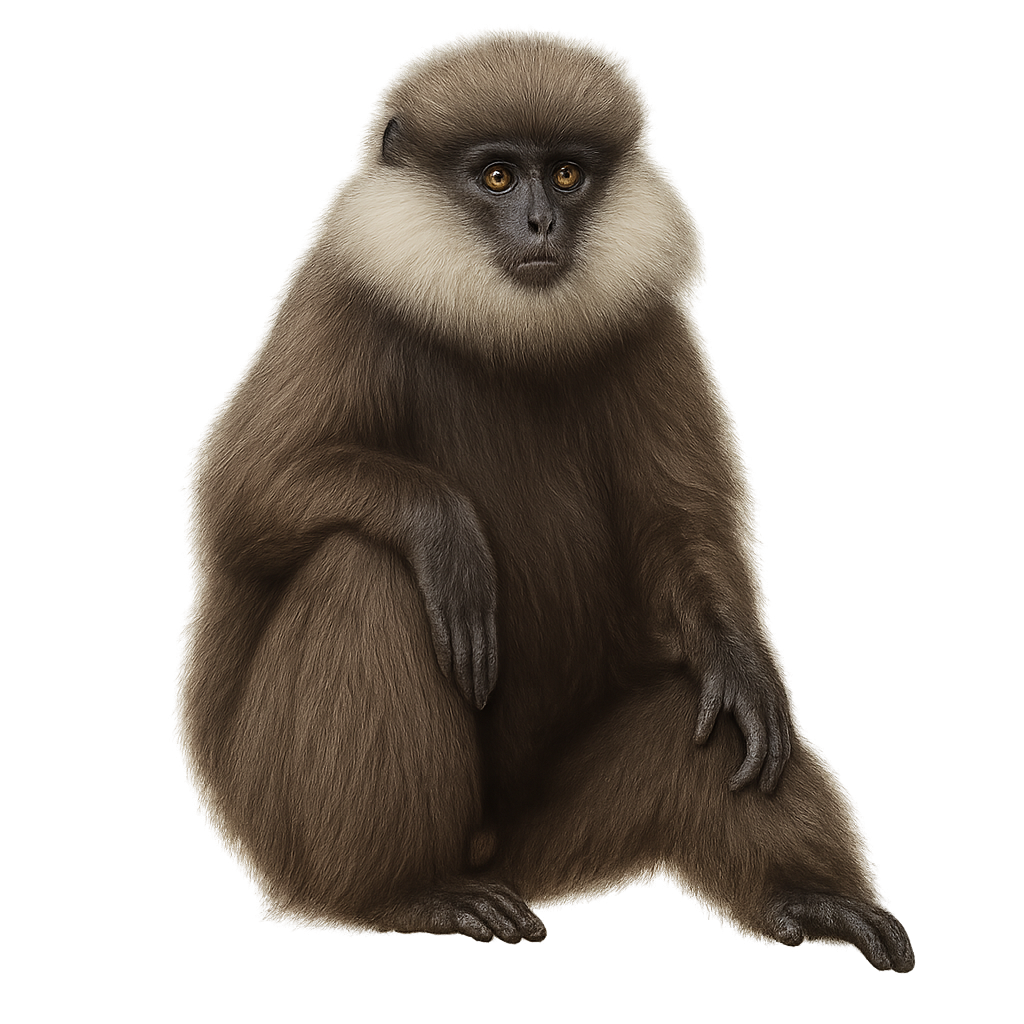
The Trachypithecus vetulus, commonly known as the Purple-faced Langur, is a primate endemic to Sri Lanka. This monkey features dense fur ranging from dark brown to black, with a distinctive purple-tinged face. It primarily inhabits tropical rainforests, lowland forests, and mountainous areas. Being diurnal, it spends most of the day foraging for leaves, fruits, and flowers. Purple-faced langurs are social animals living in family groups led by a dominant male. Unfortunately, their habitat is threatened by deforestation, leading to a decline in their population. They are currently classified as vulnerable by the IUCN.
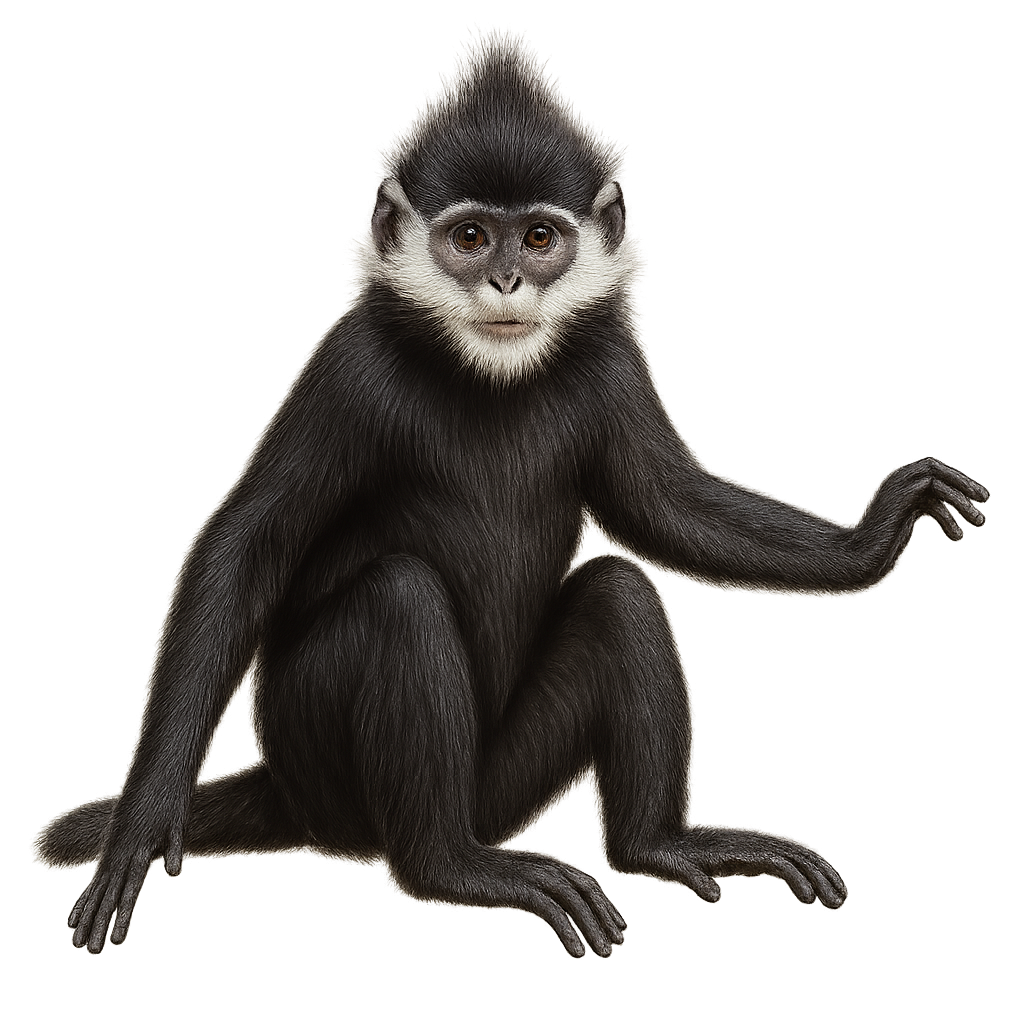
The François' Langur, or Trachypithecus francoisi, is an arboreal primate native to the subtropical forests of Southeast Asia, particularly in Vietnam, China, and Laos. This monkey is easily recognizable by its shiny black fur contrasted by a distinctive white band extending from each side of its face. François' langurs live in social groups led by a dominant male and several females. They primarily feed on leaves, fruits, and flowers, making them dependent on dense forests for their diet. Unfortunately, this species is threatened by deforestation and hunting, leading to a significant decline in its population.
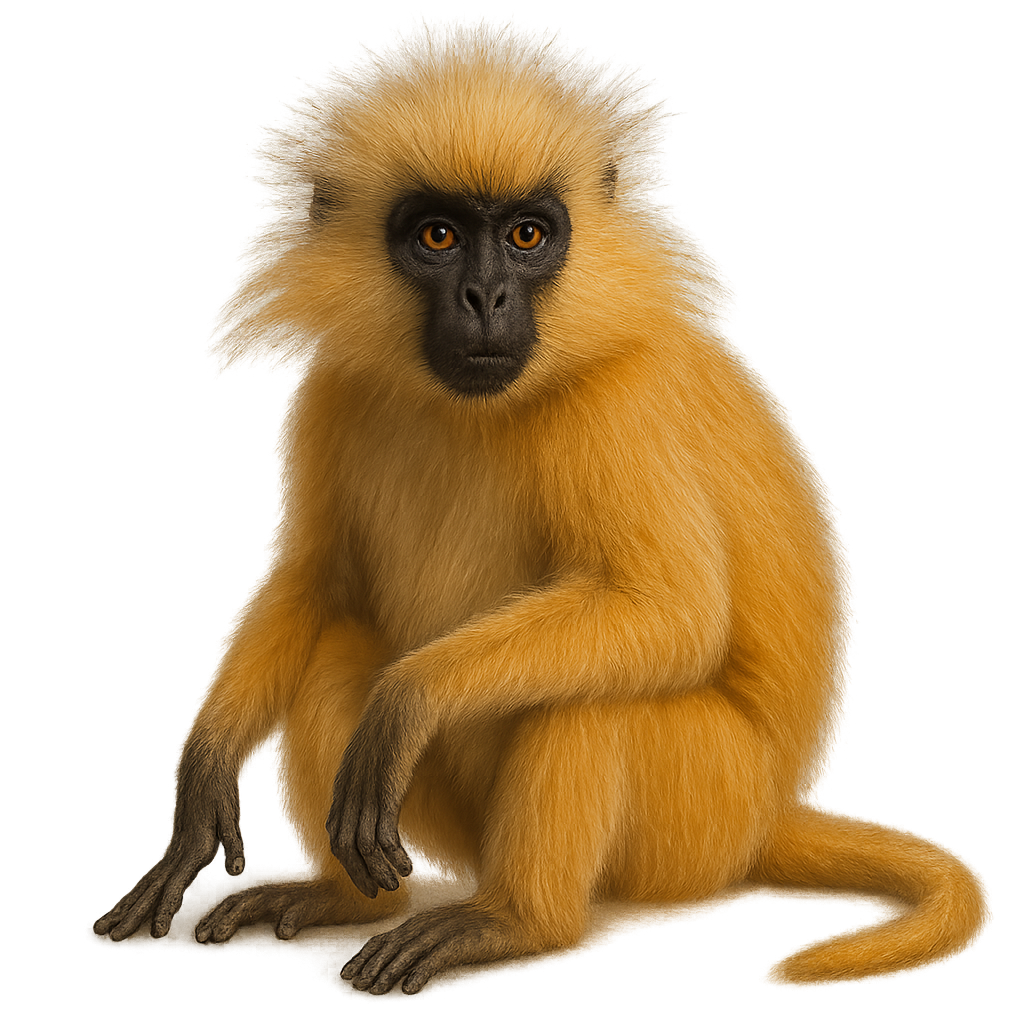
The Trachypithecus geei, or Gee's golden langur, is a rare and fascinating primate endemic to the border region between Bhutan and India. It is distinguished by its striking golden fur, giving it a unique and majestic appearance. This arboreal monkey primarily inhabits tropical and subtropical forests, where it feeds on leaves, fruits, and flowers. Golden langurs are social animals, living in family groups led by a dominant male. Unfortunately, this species is threatened by deforestation and habitat fragmentation, leading to a decline in its population. Conservation efforts are underway to protect this iconic animal and its natural environment.
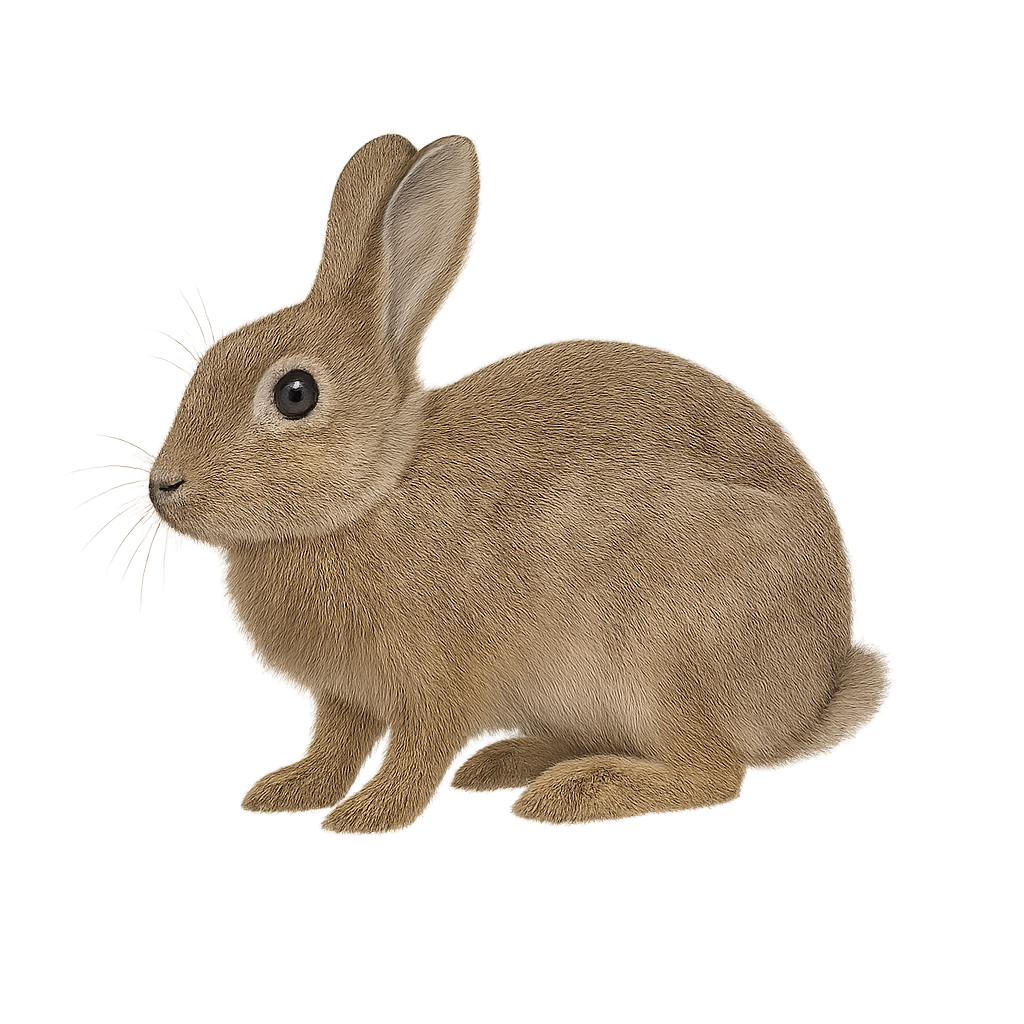
The European Rabbit is a small herbivorous mammal, widely distributed across Europe and in certain parts of the world where it has been introduced. It measures about 40 to 50 cm in length, with a short tail and soft fur that varies from light gray to brown, with a white belly. The European Rabbit is known for its long ears, bright eyes, and powerful hind legs that allow it to leap quickly. It typically lives in groups in burrows called "warrens," which it digs in soft soils or dense vegetation. This rabbit is primarily herbivorous, feeding on grasses, roots, leaves, and fruits. While it is an excellent breeder, with several litters a year, it is vulnerable to predators such as foxes, birds of prey, and carnivores. Despite its large population, the European Rabbit is threatened in some areas by excessive hunting, habitat loss, and the spread of diseases. It plays an important role in ecosystems as prey for many carnivores and as an ecological engineer, digging burrows that alter soil structure.
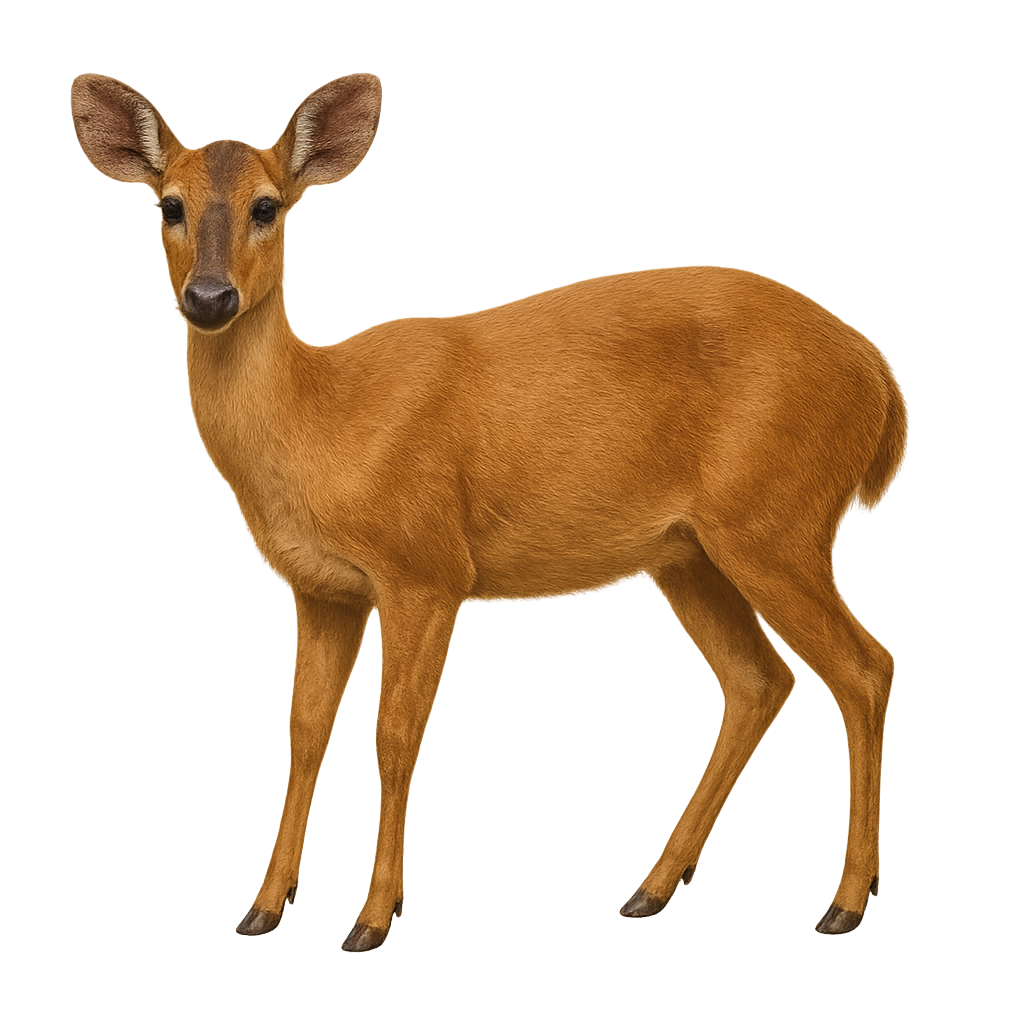
The Mazama americana, or red brocket, is a small deer native to South America. It is characterized by its reddish coat and modest size, standing about 70 to 80 cm at the shoulder. This deer prefers dense forests where it can hide from predators. It is mostly solitary except during the breeding season. Its diet consists of leaves, fruits, and young shoots. Although relatively discreet, it plays a crucial role in seed dispersal, aiding forest regeneration. Its population is threatened by deforestation and hunting, leading to its classification as a vulnerable species by the IUCN.
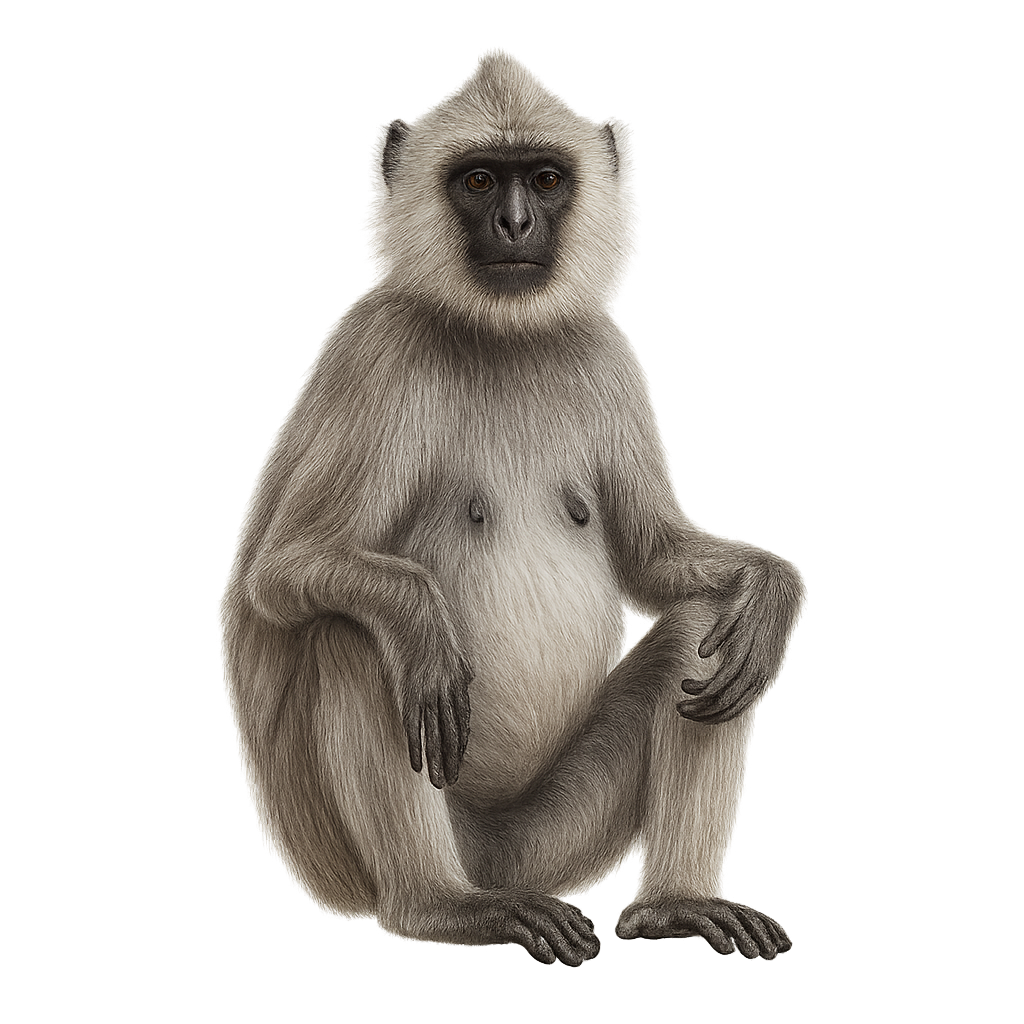
The Semnopithecus entellus, commonly known as the Hanuman Langur, is a medium-sized primate native to the Indian subcontinent. It is easily recognizable by its silver-grey fur and black, hairless face. These monkeys live in complex social groups, often consisting of multiple females and a few males. They are primarily arboreal but frequently descend to the ground to forage. Their diet is varied, including leaves, fruits, flowers, and sometimes insects. Grey langurs are known for their adaptability to different habitats, ranging from tropical forests to urban areas. Their social behavior is fascinating, with complex interactions and well-established hierarchies.
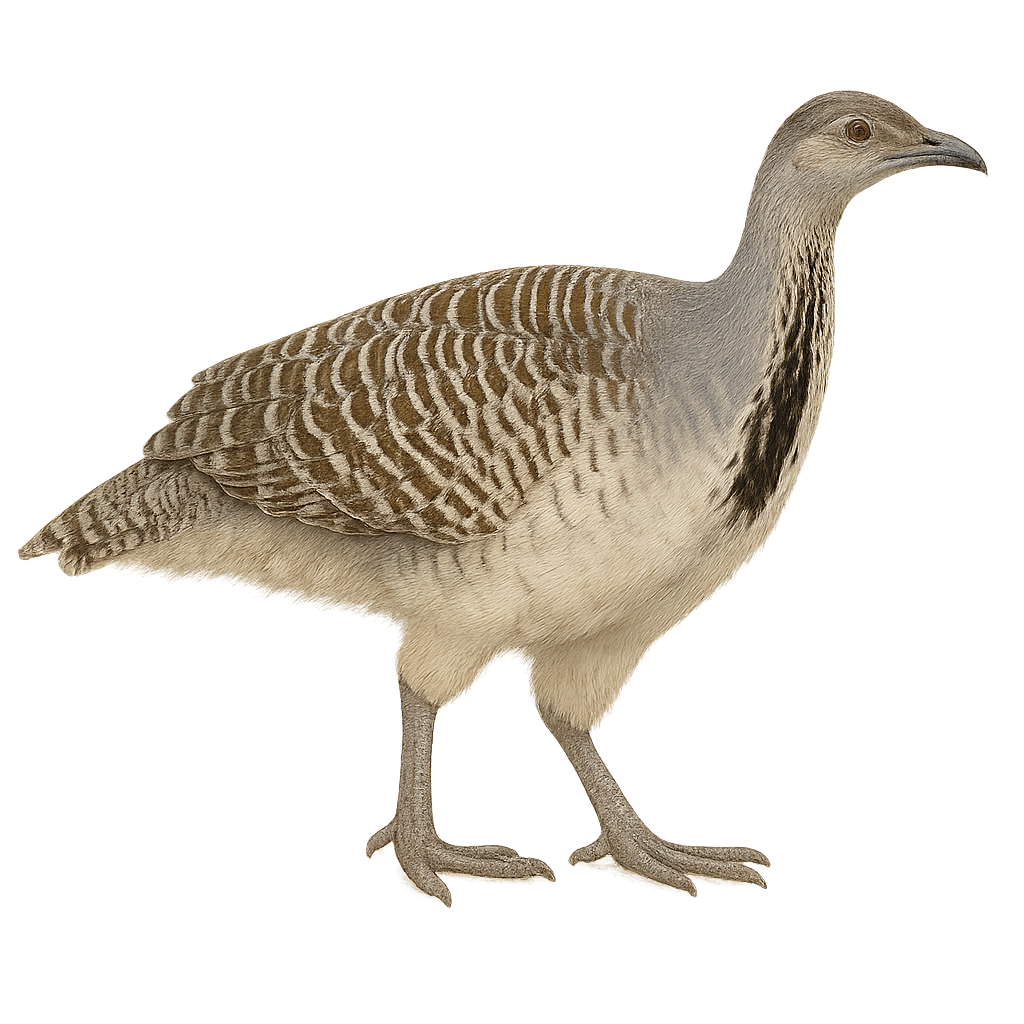
The Leipoa ocellata, or Malleefowl, is a unique terrestrial bird endemic to the arid and semi-arid regions of Australia. This medium-sized bird, measuring about 60 cm in length, is easily recognizable by its brown plumage speckled with white and black, allowing it to blend into its surroundings. It is famous for its unusual breeding method: the male builds a large mound of earth and vegetation, where the female lays her eggs. The heat generated by the decomposition of organic matter incubates the eggs. The Malleefowl is a discreet bird, often difficult to observe, as it prefers to move on foot and quickly hides when threatened.
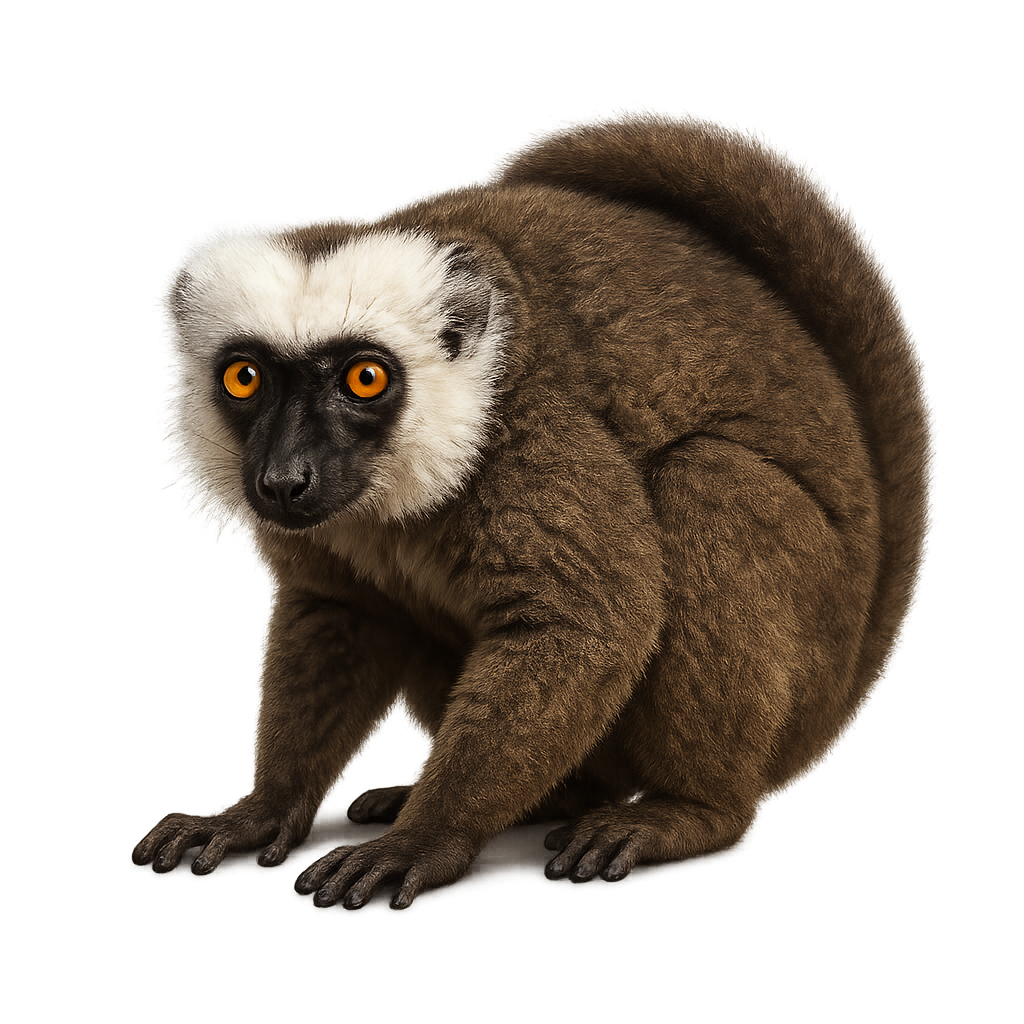
The White-fronted lemur is a species of lemur endemic to Madagascar, where it primarily lives in the humid tropical forests of the island's northwest. It is easily recognized by its gray-brown fur and the large white patch on its forehead, from which it derives its name. This lemur is primarily frugivorous, feeding on fruits, flowers, and nectar. It lives in complex social groups and exhibits strong territorial behaviors, including loud vocalizations to define its territory. Although often active during the day, it is also known to be particularly active at dusk.
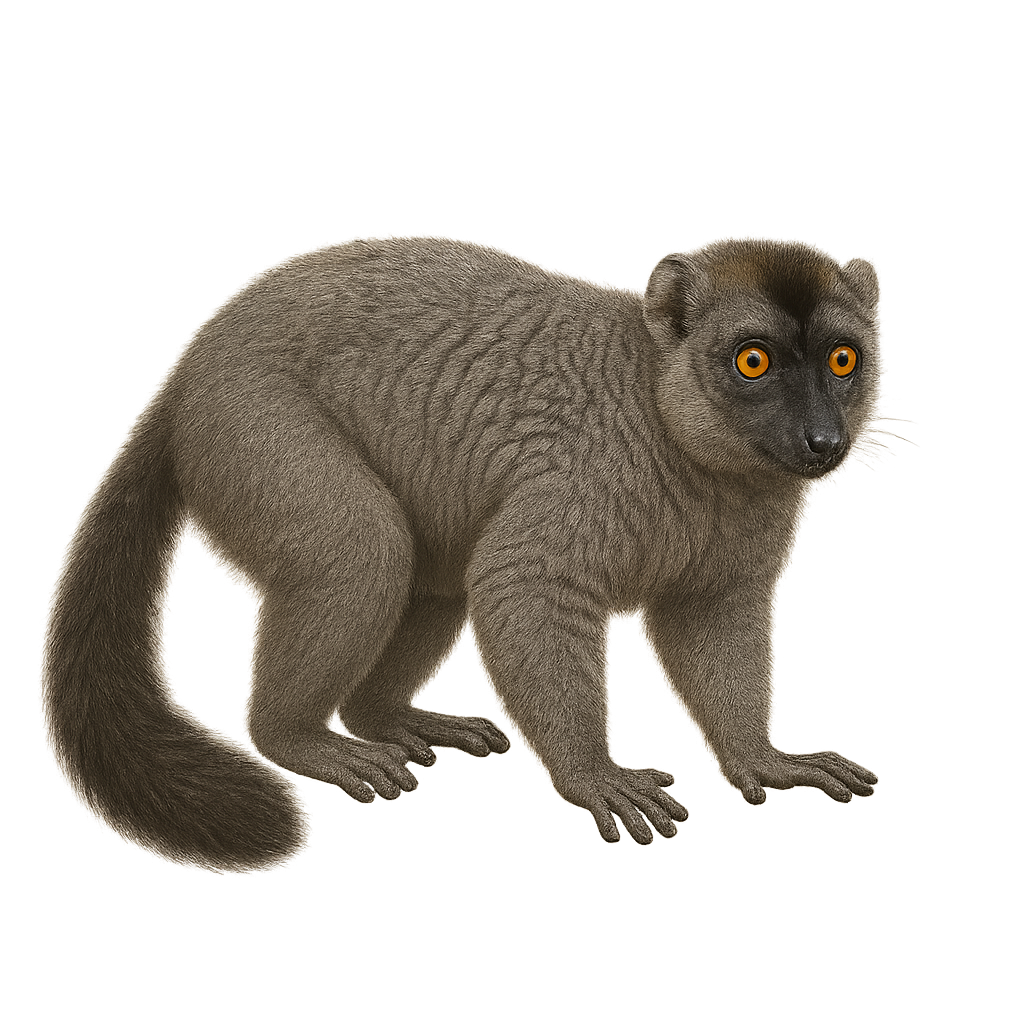
The brown lemur, or Lemur fulvus, is a primate endemic to Madagascar. It is characterized by its dense, soft fur, typically brown-grey in color, with lighter shades on the belly. Males and females show little sexual dimorphism, although males may have a slightly darker hue. These lemurs live in social groups of up to 15 individuals. They are primarily arboreal, moving with agility through the canopy. Their diet is varied, including fruits, leaves, and sometimes insects. Threatened by deforestation and hunting, their conservation status is concerning.
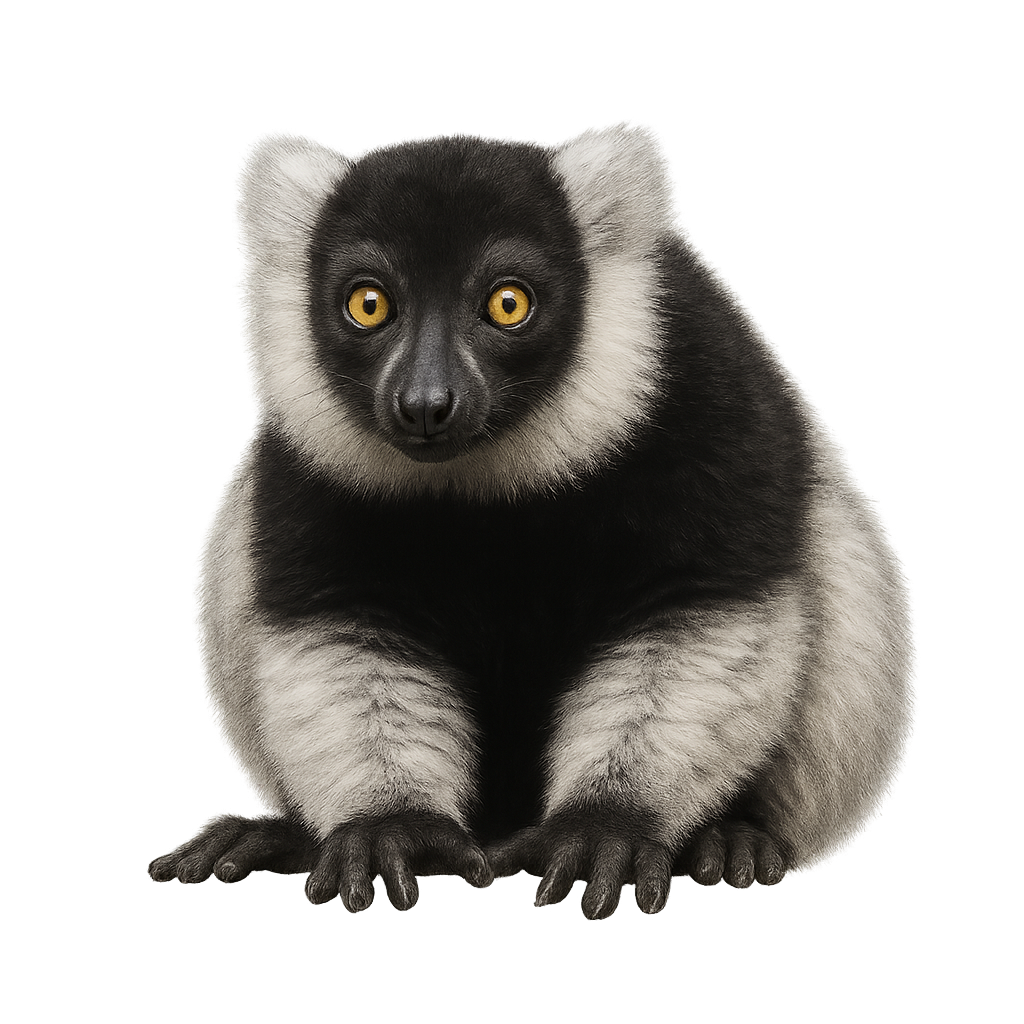
The black-and-white ruffed lemur, or Varecia variegata, is a primate endemic to Madagascar, known for its distinctive black and white fur. It primarily inhabits the island's eastern rainforests. This lemur is diurnal and arboreal, spending most of its time in the canopy searching for fruits, flowers, and leaves. Social groups usually consist of two to five individuals, often led by a dominant female. Unfortunately, this species is critically endangered due to deforestation and hunting. Conservation efforts are crucial for its long-term survival.
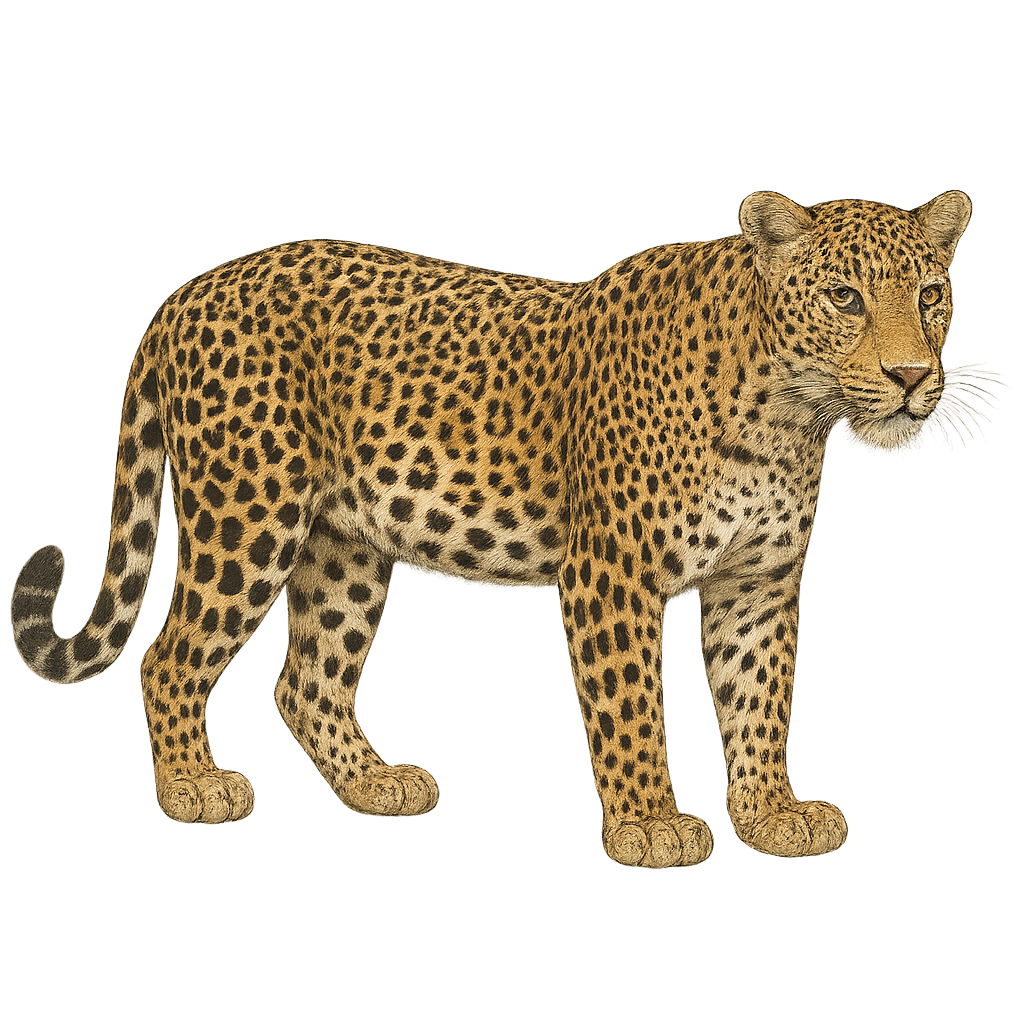
The Leopard is a powerful and agile big cat, easily recognizable by its spotted coat, formed by black rosettes on a golden or yellow background. It typically measures between 1.2 and 1.9 meters in length, with a tail of 60 to 100 cm, and weighs between 30 and 90 kg, with males generally being larger than females. The Leopard is a solitary, nocturnal hunter, known for its ability to climb trees, often to hide its prey and avoid other carnivores. It is an opportunist, feeding on various types of prey, ranging from small mammals to medium-sized ungulates, and sometimes even reptiles and birds. This big cat is found across much of sub-Saharan Africa and in certain regions of Asia, including India, China, and parts of the Middle East. While the Leopard is a relatively widespread species, it is threatened by habitat loss, illegal hunting, and the depletion of its natural prey. It remains one of the most formidable and adaptable predators in the savanna, forests, and mountains.
The Sri Lankan Leopard, Panthera pardus kotiya, is a leopard subspecies endemic to Sri Lanka. It is distinguished by its spotted coat, ranging from golden yellow to brown, with distinct black rosettes. This feline is the island's largest predator and plays a crucial role in the ecosystem by regulating prey populations. It inhabits various environments, from tropical rainforests to dry shrublands. Unfortunately, it is threatened by habitat loss, poaching, and human-wildlife conflict. Conservation efforts are vital to ensure its survival.
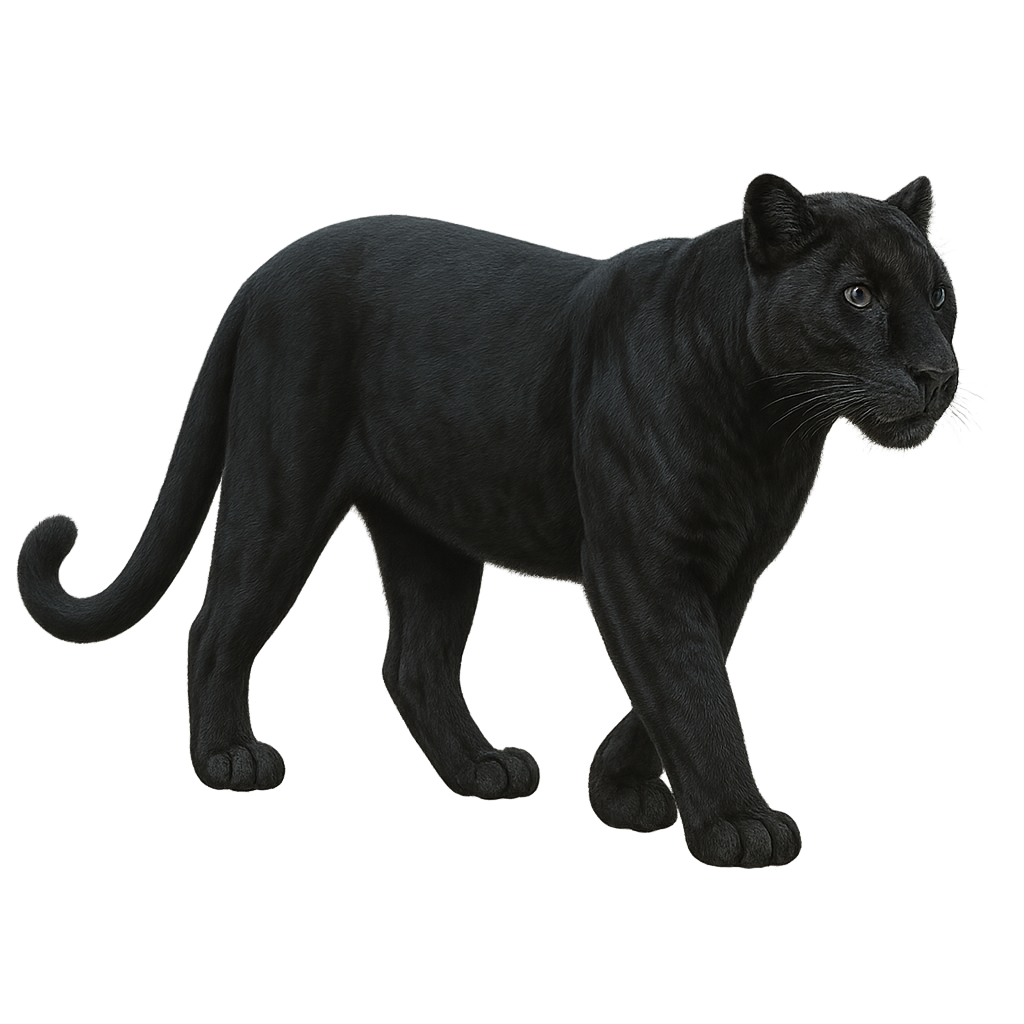
The Indian leopard is a striking big cat with a golden coat covered in black rosettes. Highly adaptable, it inhabits a wide range of environments—from forests and hills to open plains and even areas near cities across India. Mostly nocturnal and solitary, it preys on a variety of animals. Within this subspecies, melanistic individuals—known as black panthers—do exist. These leopards have a genetic mutation that gives them an entirely black appearance. While rare, black leopards are regularly observed in certain regions, particularly in the humid forests of the Western Ghats.
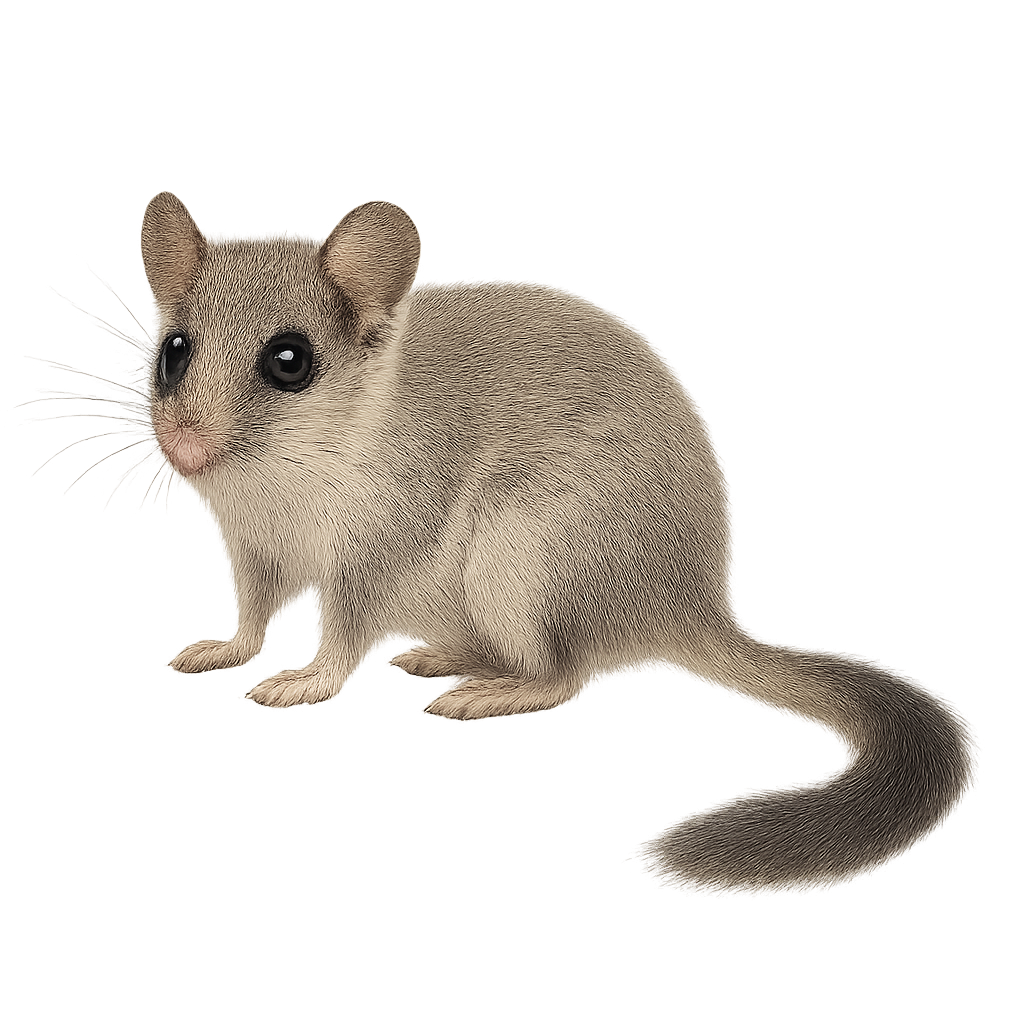
The Garden Dormouse is a small nocturnal rodent, often compared to a miniature squirrel, found primarily in Europe and Asia. It measures about 20 cm in length, with a tail of around 12 cm, and weighs between 100 and 150 g. Its coat is typically light gray or brown, with a dark line running from its eyes to its back and a lighter area on its belly. The Garden Dormouse is primarily nocturnal and arboreal, feeding on fruits, nuts, seeds, as well as small insects and larvae. It is an excellent climber and takes refuge in trees or crevices to sleep during the day. This rodent is a hibernator, retreating into its nest in the fall to survive the winter, which is essential for its survival in the cold. Although the Garden Dormouse is protected in some areas, it is threatened by deforestation and the reduction of its natural habitat.
The Frill-necked lizard, or Frill-necked dragon, is a fascinating lizard native to the dry and wooded regions of northern Australia. This reptile is famous for its distinctive frill, a fold of skin around its neck that it can extend to impress predators or compete with other males. When threatened, it extends its frill and adopts an aggressive posture, opening its mouth wide to appear larger. The Frill-necked lizard is insectivorous, primarily feeding on insects and small invertebrates, which it captures using its quick tongue. It is also an excellent climber and can move quickly between trees.
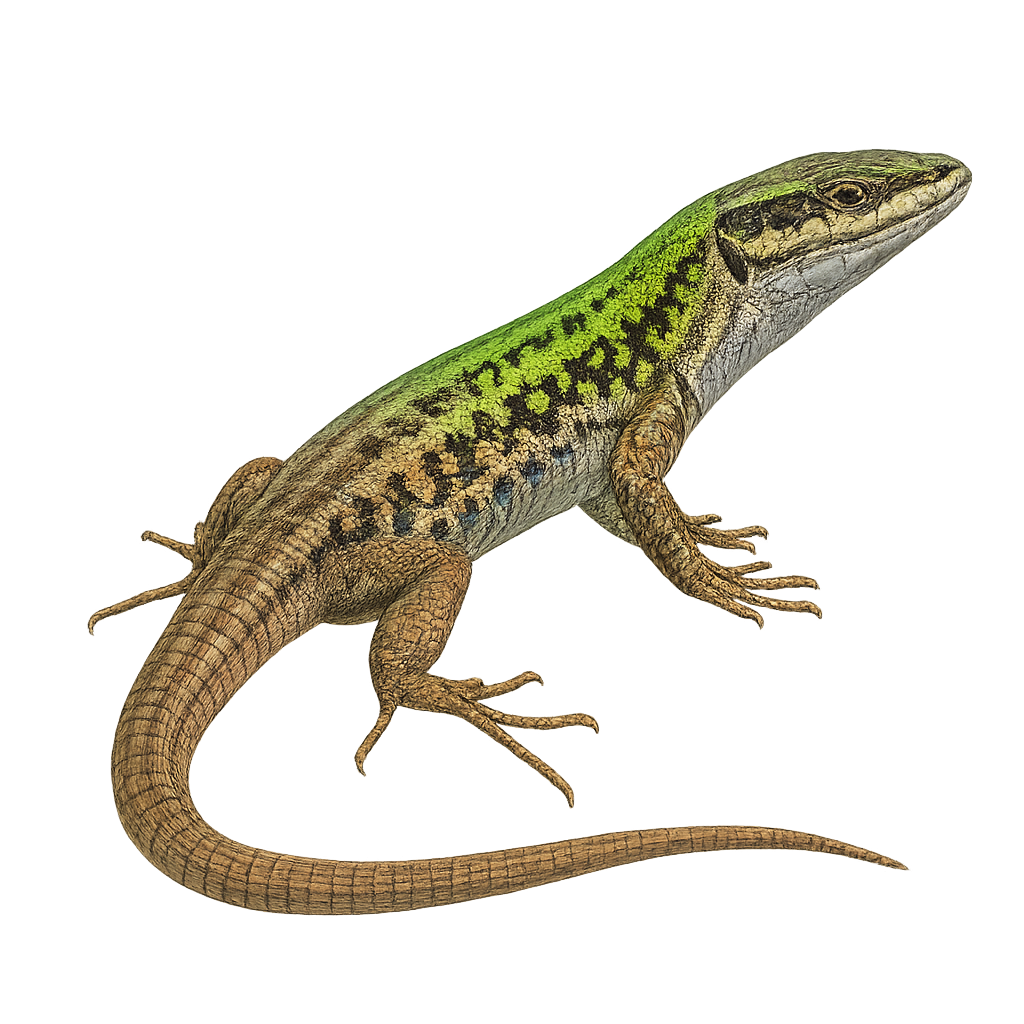
The Balkan Green Lizard, Lacerta trilineata, is a striking reptile known for its size and vibrant coloration. It can grow up to 40 cm in length, including its tail. Typically green, with shades of brown or yellow, it features three lighter longitudinal stripes, giving it its name. Found mainly in the Balkans and parts of Greece, it favors open, sunny habitats like meadows, scrublands, and rocky areas. Diurnal by nature, it primarily feeds on insects and other small invertebrates. Although relatively common within its range, habitat destruction poses a threat to its population.
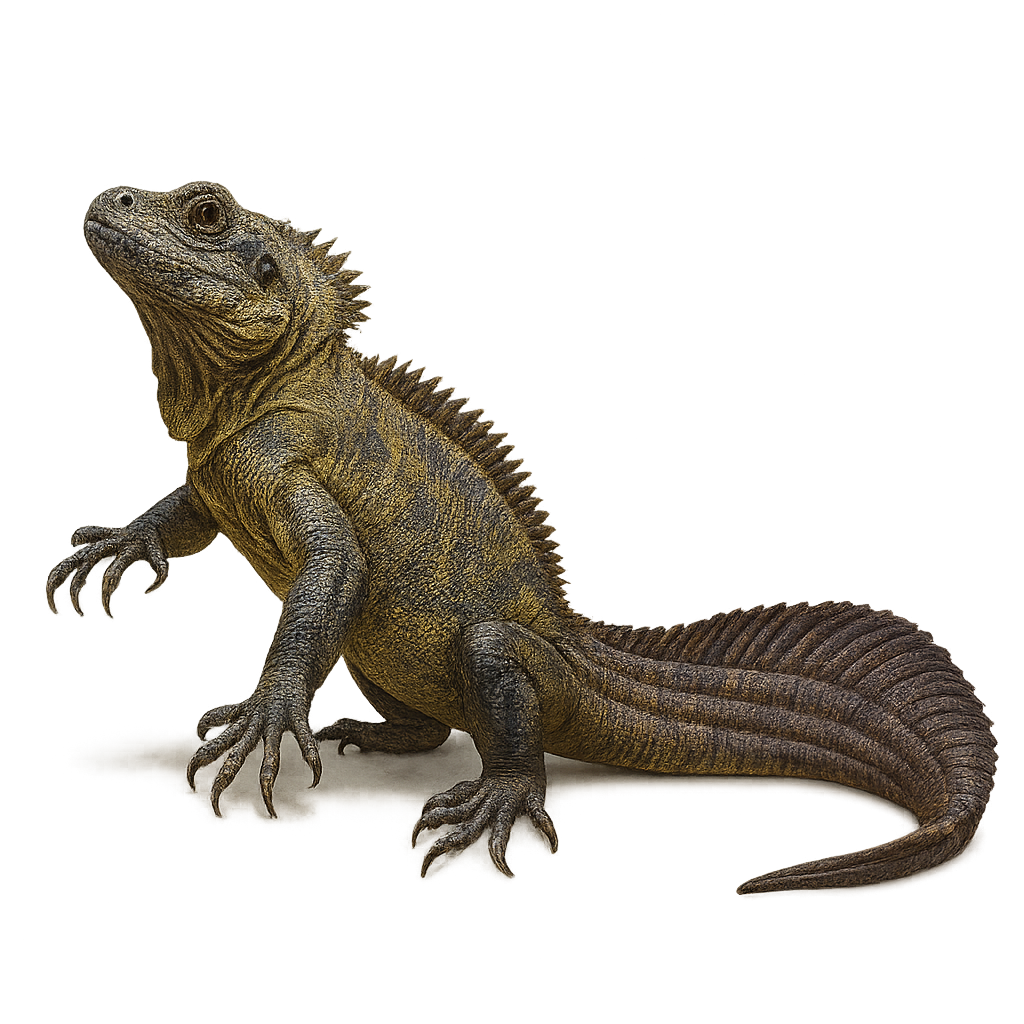
The Hydrosaurus pustulatus, commonly known as the Philippine Sailfin Lizard, is a fascinating reptile endemic to the Philippine islands. This lizard is famous for its spectacular dorsal crest resembling a sail, used to impress rivals and attract mates. It primarily inhabits tropical rainforests and riparian zones, where it spends much time swimming. Measuring up to a meter in length, it is mainly herbivorous, feeding on leaves, fruits, and flowers, though it may occasionally consume insects. This lizard is diurnal and spends most of its time basking in the sun to regulate its body temperature. Although relatively tolerant of human presence, it remains cautious and quickly flees when threatened.
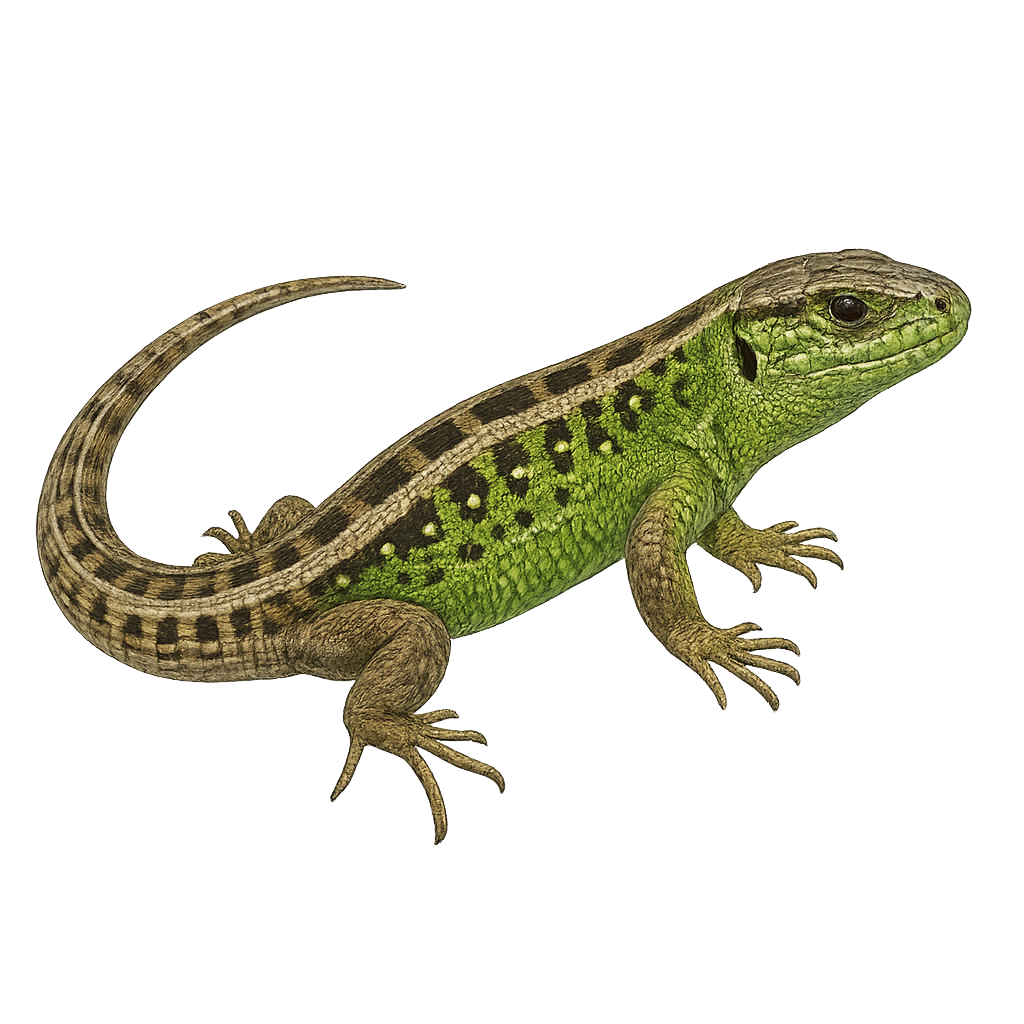
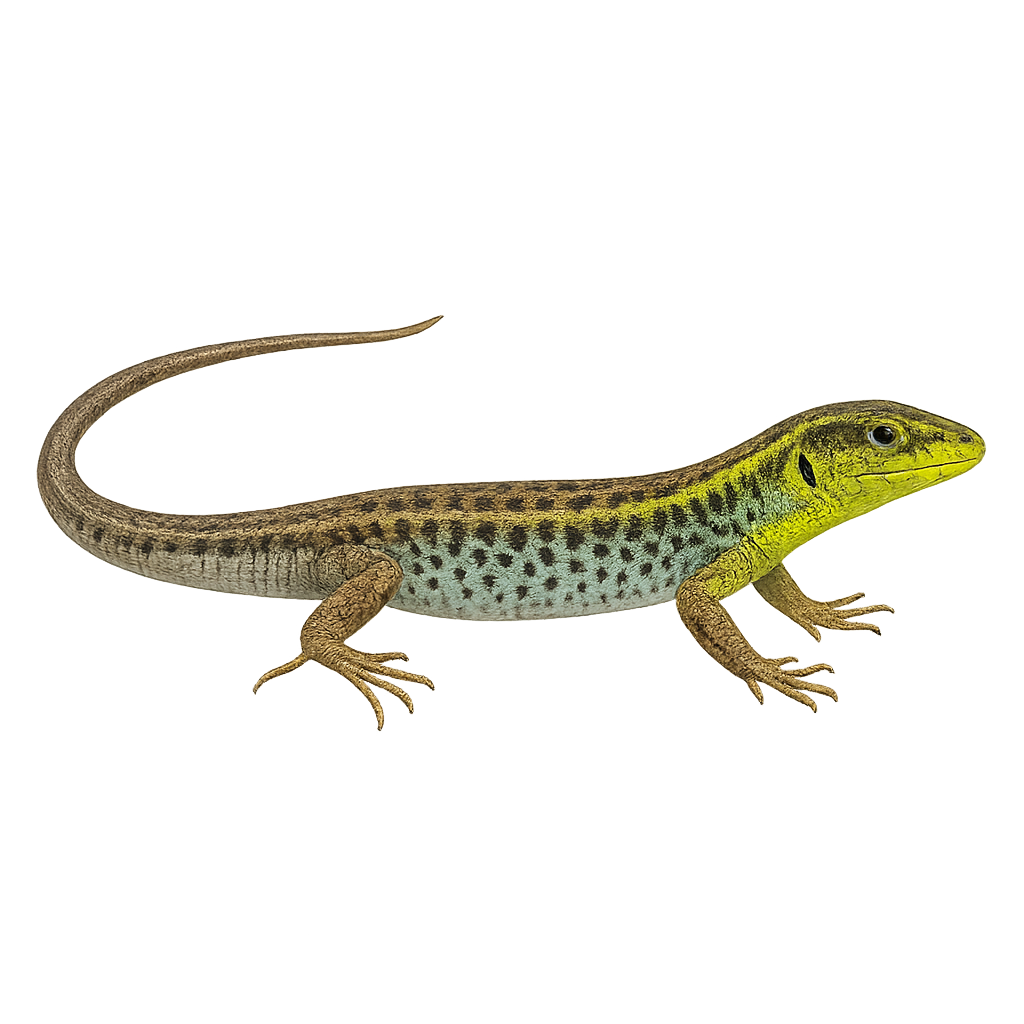
The sand lizard, Lacerta agilis, is a medium-sized reptile, typically measuring between 15 and 25 cm in length, including the tail. Its coloration ranges from brown to green, with spotted patterns that help it blend into its surroundings. Males often display a brighter green hue, especially during the breeding season. This lizard is primarily found in Europe, favoring open habitats such as grasslands, sand dunes, and forest edges. Active during the day, it basks in the sun to regulate its body temperature. It feeds on insects, spiders, and occasionally small invertebrates. Although its conservation status is concerning in some areas, it remains relatively common in others.
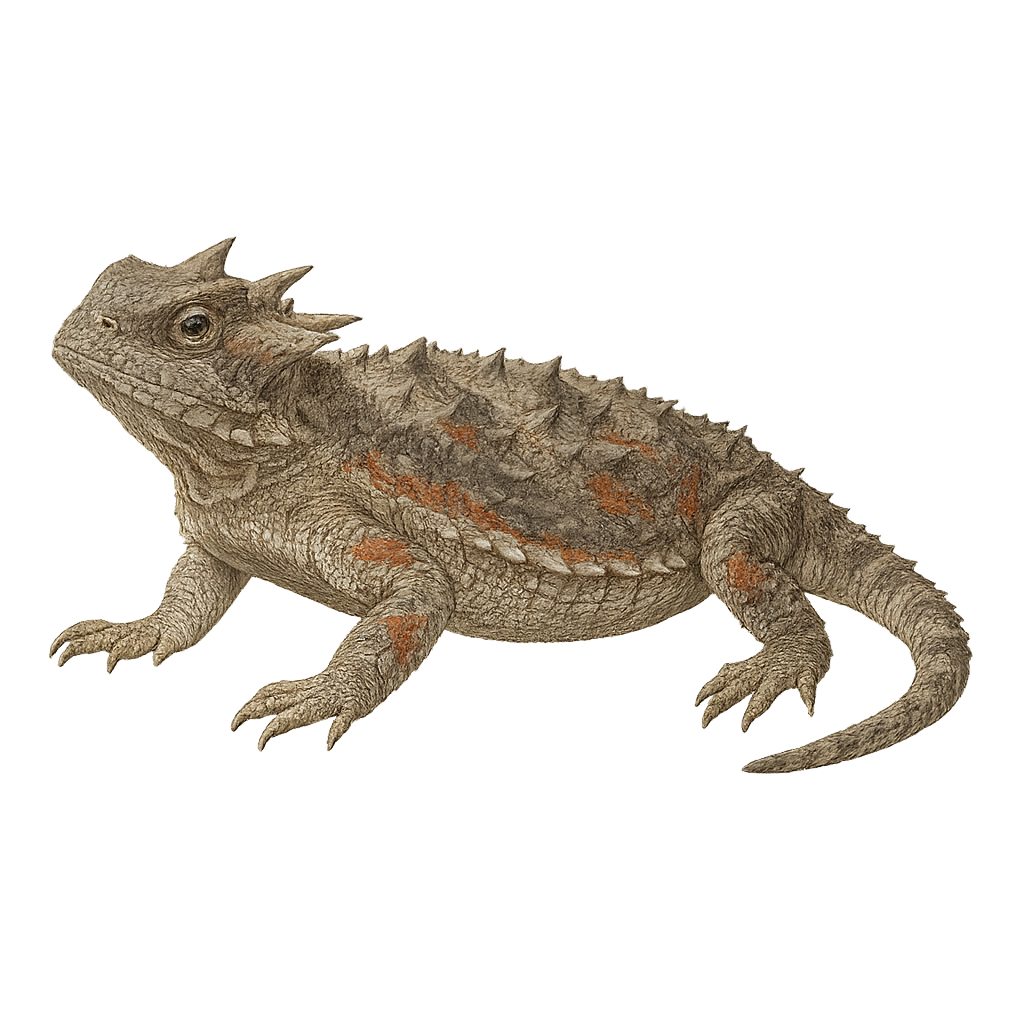
The Phrynosoma platyrhinos, or Desert Horned Lizard, is a fascinating reptile primarily inhabiting the arid regions of the western United States and northern Mexico. This lizard is easily recognizable by its flattened body and prominent head horns. Its coloration ranges from brown to gray, allowing it to blend into its desert surroundings. It primarily feeds on ants but can also consume other insects. This lizard has developed a unique defense mechanism: when threatened, it can squirt blood from its eyes to disorient predators. Although well-adapted to its habitat, it is vulnerable to habitat loss.
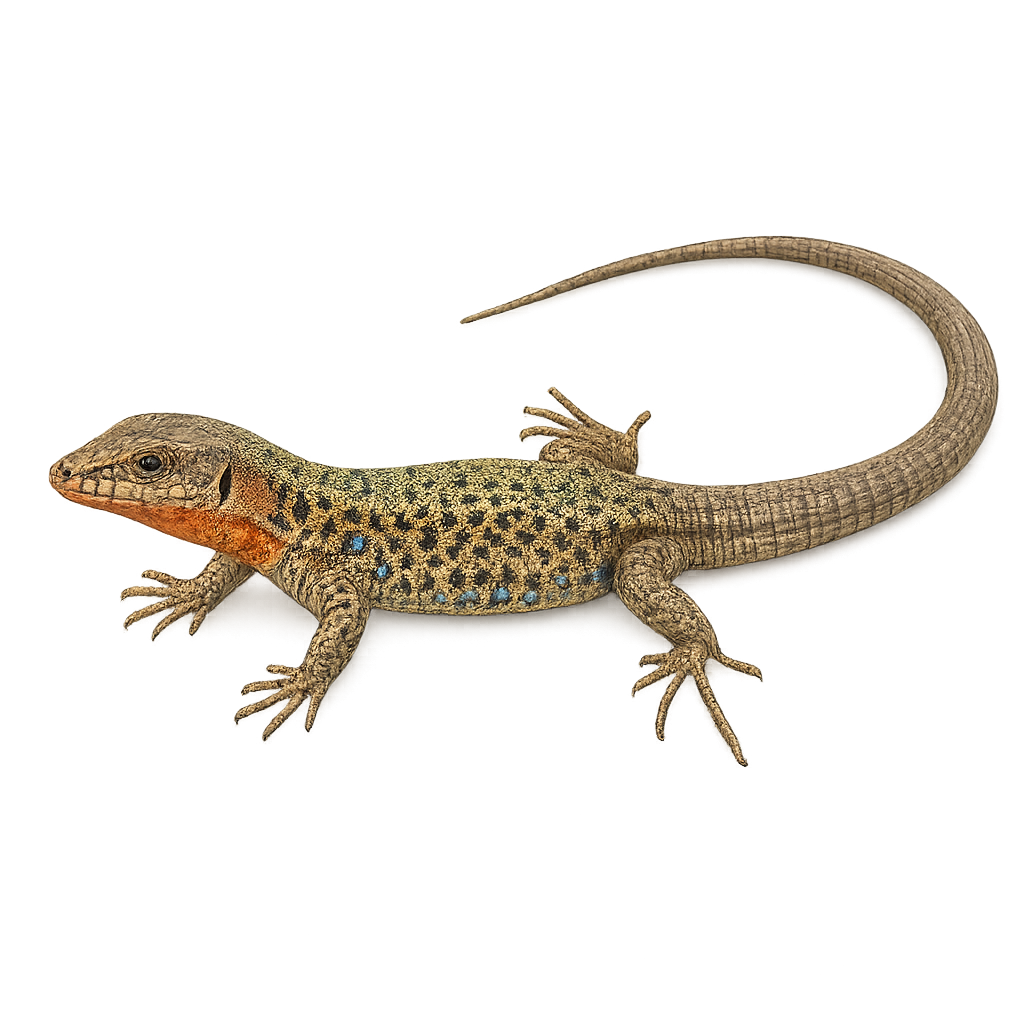
The Erhard's wall lizard, or Podarcis erhardii, is a species of lizard found primarily in the Aegean islands and some regions of mainland Greece. This small reptile, typically measuring between 18 and 25 cm in total length, is known for its ability to adapt to various environments, ranging from rocky areas to open grasslands. Its coloration varies from brown to green, often with band or spot patterns, allowing it to blend effectively into its natural habitat. Active mainly during the day, the Erhard's wall lizard feeds on insects, spiders, and other small invertebrates. Although relatively common in its range, it is sensitive to habitat disturbances, particularly due to human development and tourism activities.
The Oertzen's Lizard, or Anatololacerta oertzeni, is a small reptile belonging to the Lacertidae family. Native to the mountainous regions of Turkey and the Greek islands, it is characterized by its green and brown coloration, which allows it to blend effectively into its natural environment. This lizard is primarily diurnal and prefers rocky and sunny habitats. It feeds on insects and other small invertebrates. Although its conservation status is not of concern, it is essential to preserve its natural habitats to ensure its survival. Males and females can be distinguished by slightly different patterns, with males often being more colorful.
The Greek Algyroides, Algyroides moreoticus, is a small reptile endemic to the Balkan Peninsula, mainly found in Greece. It is characterized by its modest size, usually reaching 10 to 15 cm in total length, including the tail. Its coloration ranges from brown to olive green, with lighter patterns on its back and sides. This lizard is often seen in rocky areas, sparse forests, and Mediterranean scrublands. It is diurnal and primarily feeds on insects and other small invertebrates. Although relatively discreet, it can be seen basking in the sun on rocks or tree trunks. Its population is stable, but it is sensitive to disturbances in its natural habitat.
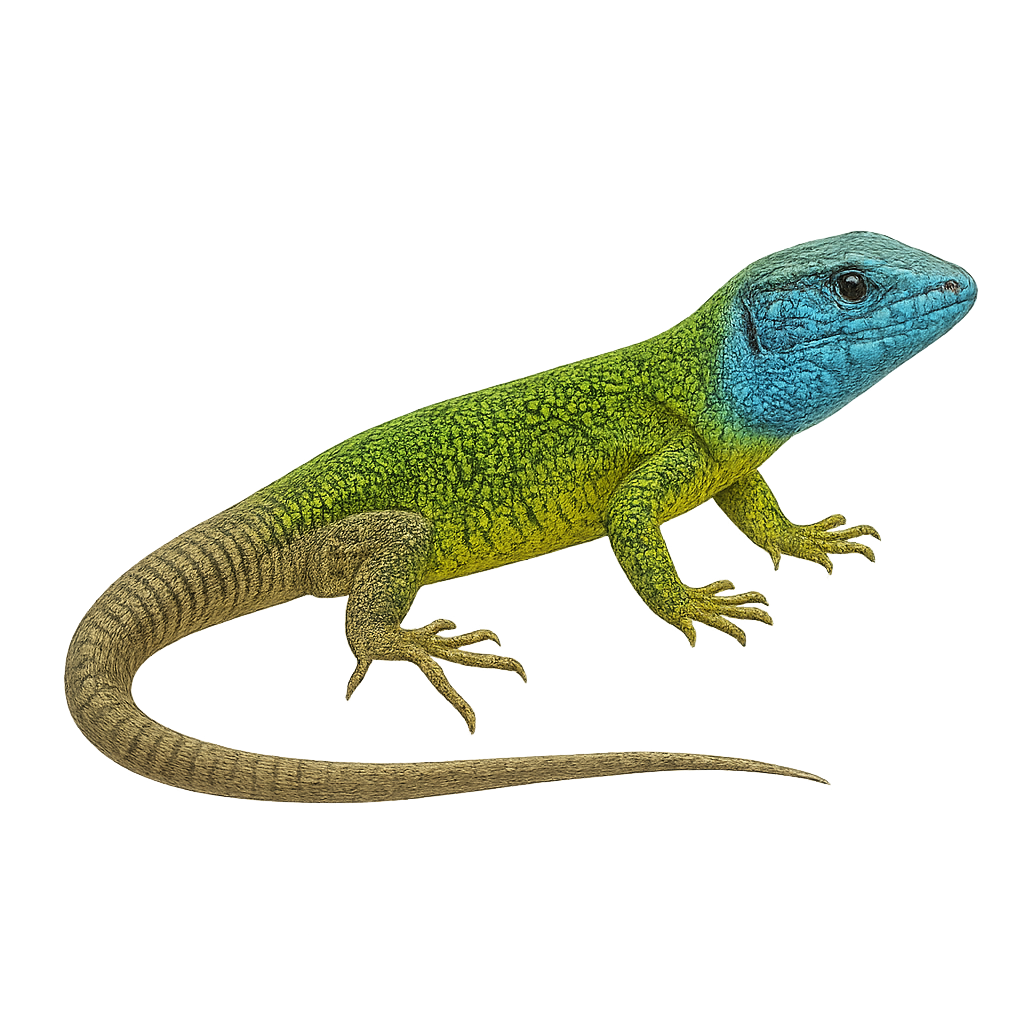
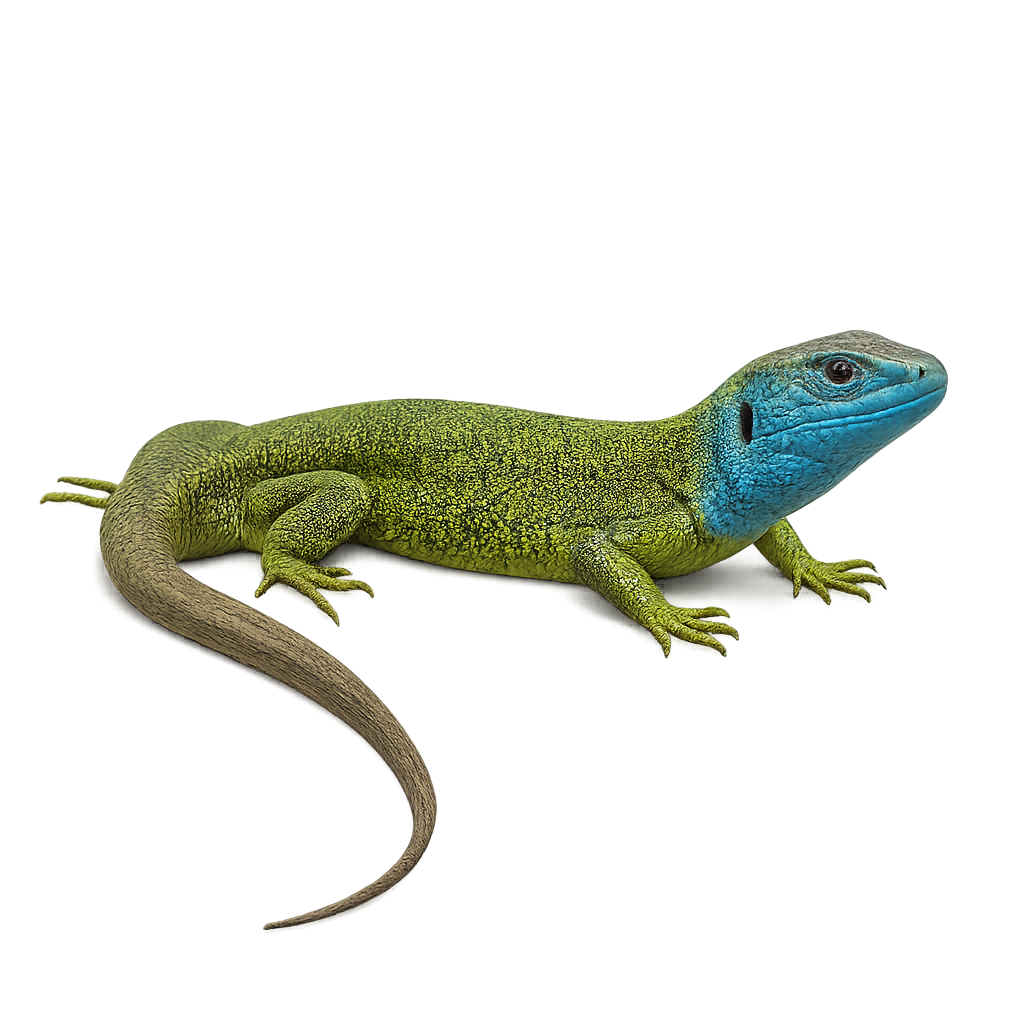
The Schreiber's Green Lizard, or Lacerta schreiberi, is a fascinating reptile primarily found in the Iberian Peninsula. This lizard is particularly recognizable by its bright green color, often speckled with black spots, which allows it to blend into its natural environment. Males display a vibrant blue throat, especially during the breeding season. They prefer humid and wooded habitats, such as oak forests and wet meadows, where they can hide among dense vegetation. Mainly active during the day, these lizards are agile and fast, which helps them escape predators. Their diet consists mainly of insects and other small invertebrates.
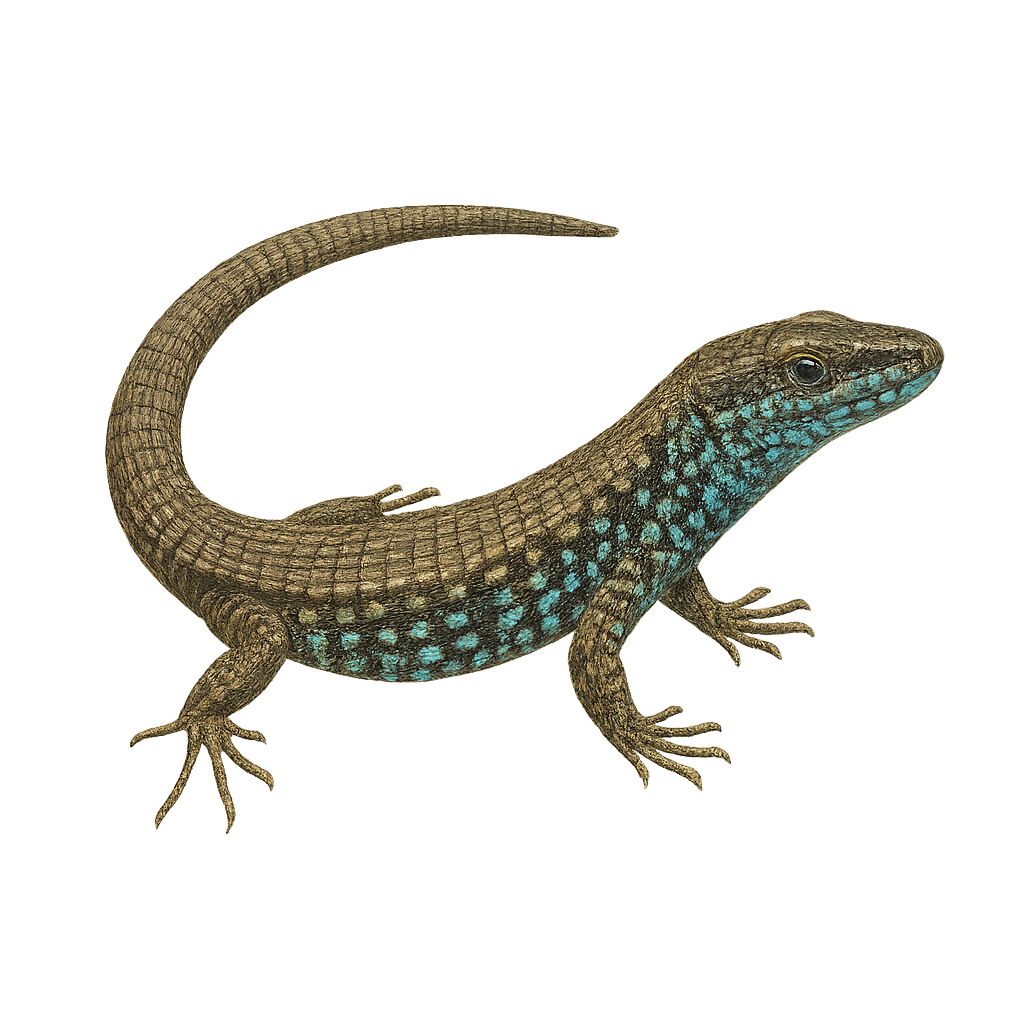
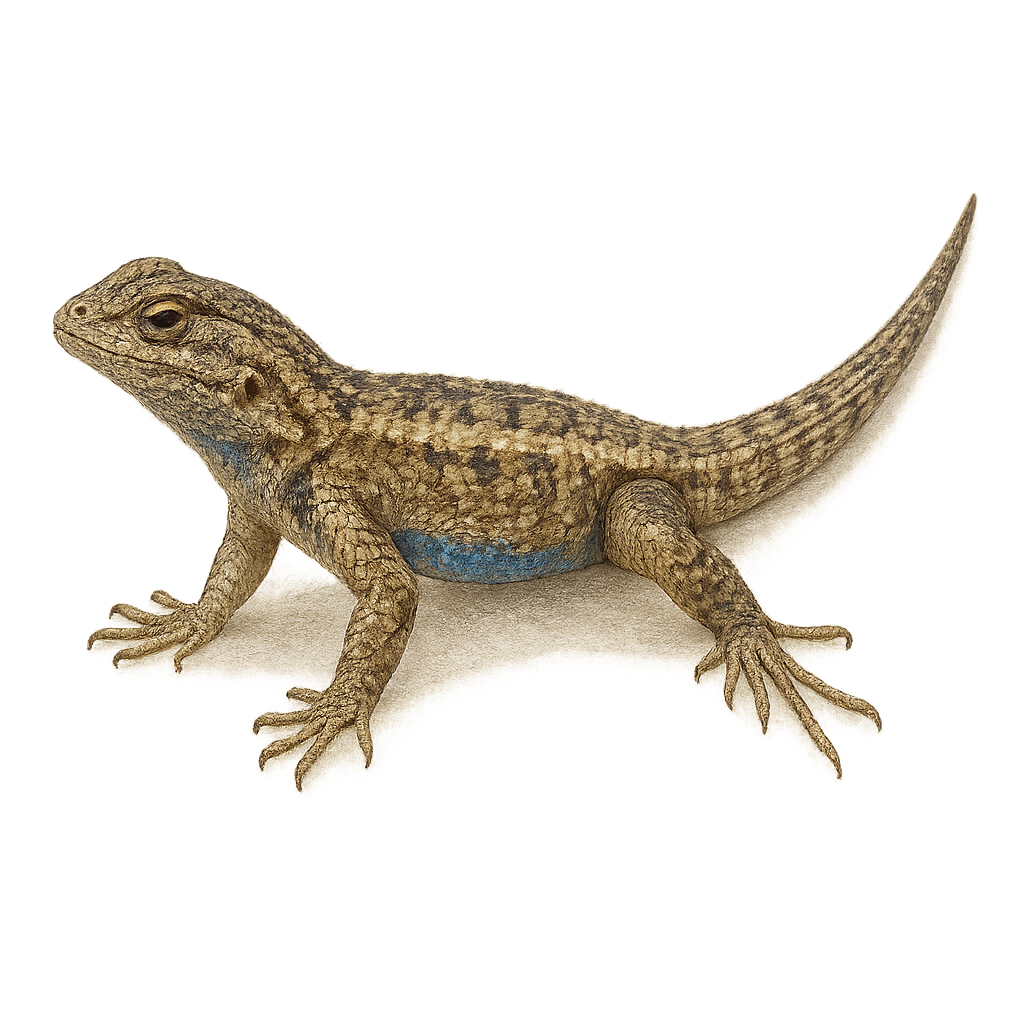
The Sceloporus occidentalis, commonly known as the Western Fence Lizard, is a medium-sized reptile, typically measuring between 15 and 22 cm in length. It is easily recognizable by its gray-brown dorsal coloration with diamond-shaped patterns and its bright blue belly, particularly visible in males. This lizard is widely distributed in the western United States, inhabiting various environments from coniferous forests to shrublands and grasslands. It is diurnal and often basks in the sun on rocks or fences. Its diet mainly consists of insects and other arthropods. Although relatively common, it plays an important role in controlling insect populations.
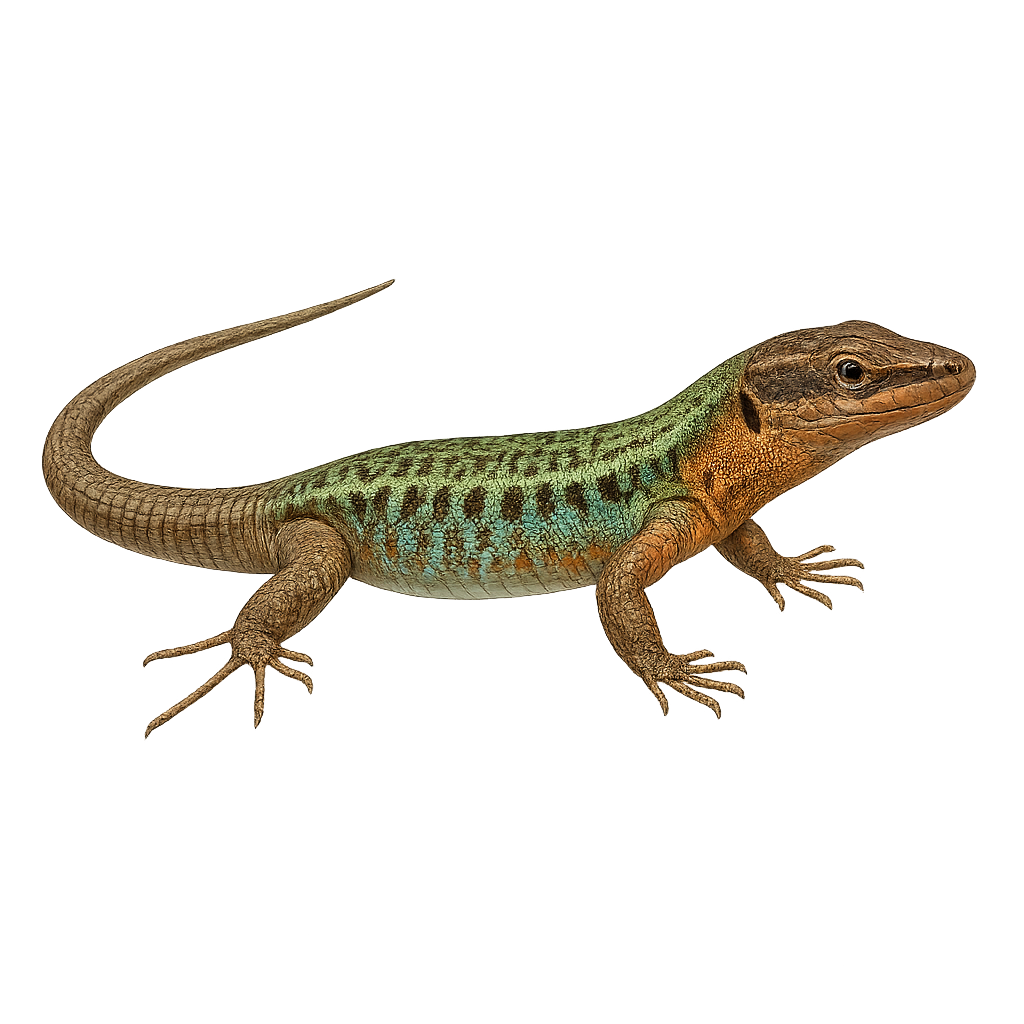
The Peloponnese Wall Lizard, scientifically known as Podarcis peloponnesiacus, is a medium-sized lizard endemic to the Peloponnese region of Greece. It typically measures between 18 and 25 cm in total length, including the tail. Its coloration ranges from brown to green with distinct dorsal patterns, allowing it to blend seamlessly into its natural rocky habitats. Preferring rocky terrains, stone walls, and shrubby areas, it is primarily active during the day, basking in the sun and feeding on insects, spiders, and occasionally small fruits. Known for its speed and agility, this lizard is adept at evading predators.
The Greek Rock Lizard, Lacerta graeca, is a species endemic to the Balkan Peninsula, mainly found in Greece. It is characterized by its bright green coloration with black patterns on its back, allowing it to blend effectively into its natural habitat. This lizard prefers rocky areas and open meadows, where it can bask in the sun. It is diurnal and primarily feeds on insects and other small invertebrates. Although relatively tolerant of human presence, it remains cautious and quick to hide when threatened. Its breeding season extends from spring to summer, with a gestation period of about two months.
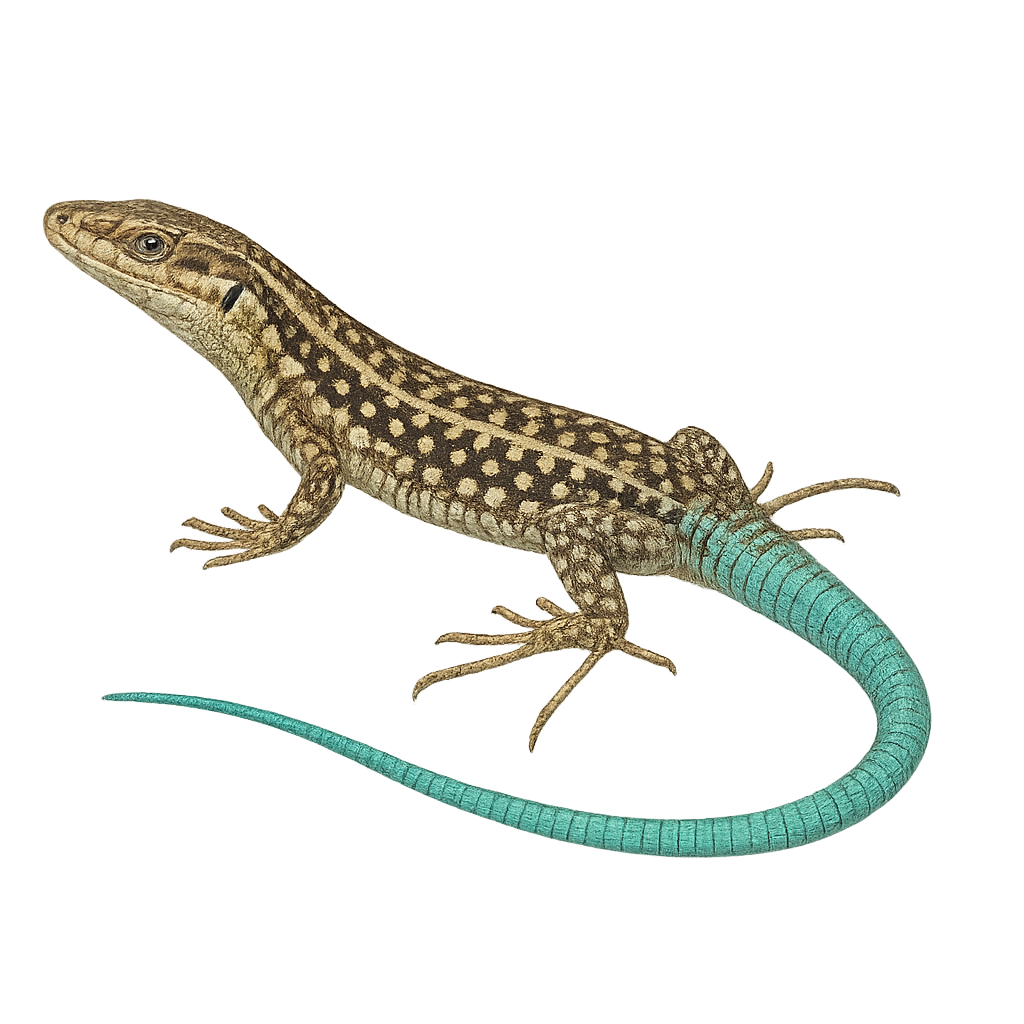
Ophisops elegans, commonly known as the snake-eyed lizard, is a small, agile reptile, typically measuring between 15 and 20 cm in length. Its smooth skin features a brown-green coloration with lighter patterns on the back, allowing it to blend seamlessly into its natural surroundings. This lizard is particularly recognizable by its transparent eyelids, giving it a unique gaze. It is primarily found in the arid and semi-arid regions of the Middle East and Southwest Asia, where it prefers rocky habitats and open grasslands. Active mainly during the day, it feeds on insects and other small invertebrates.
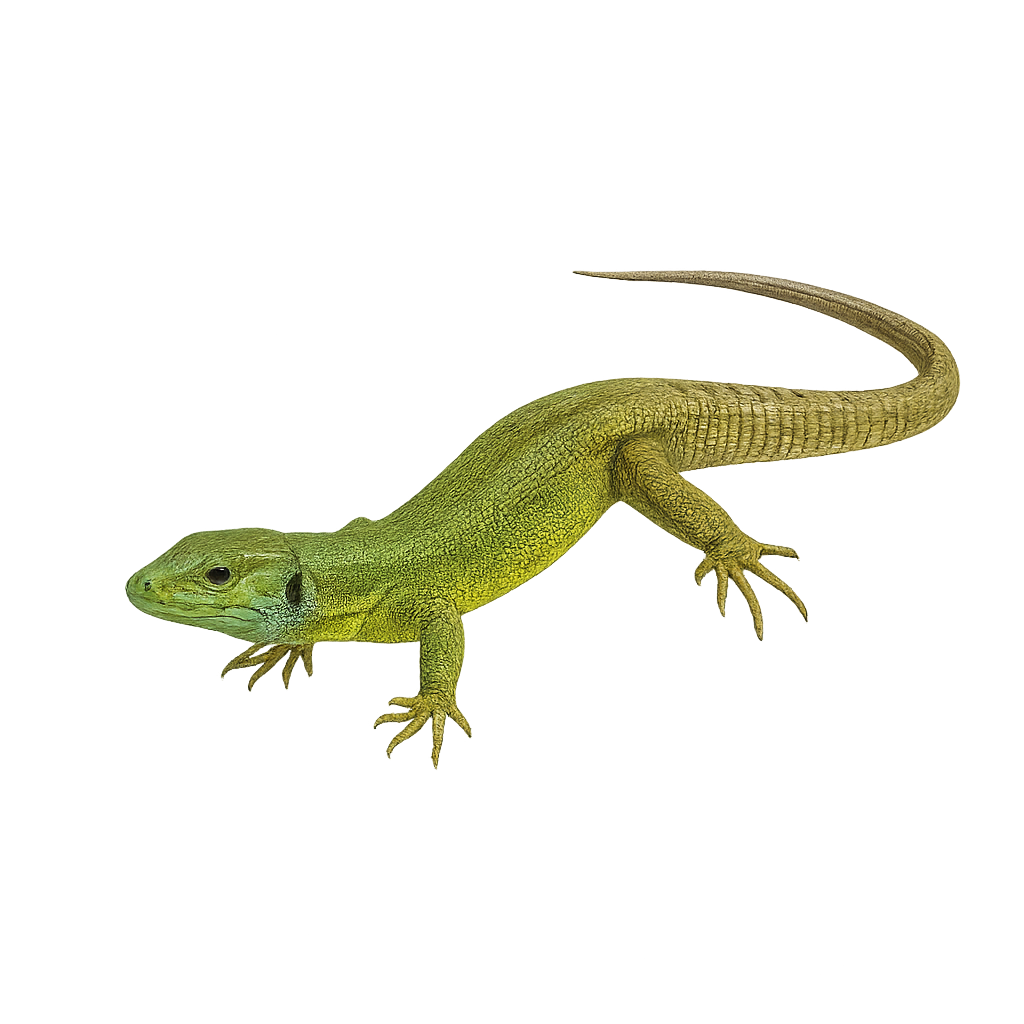
The European green lizard is a slender lacertid measuring 15–20 cm in body length, with a tail up to 1.5 times the body length. It has vivid green dorsal coloration and a yellowish-green belly. It inhabits sunny grasslands, woodland edges and rocky areas, feeding on insects and spiders. During the breeding season, males develop brighter colors and perform territorial displays on exposed rocks.